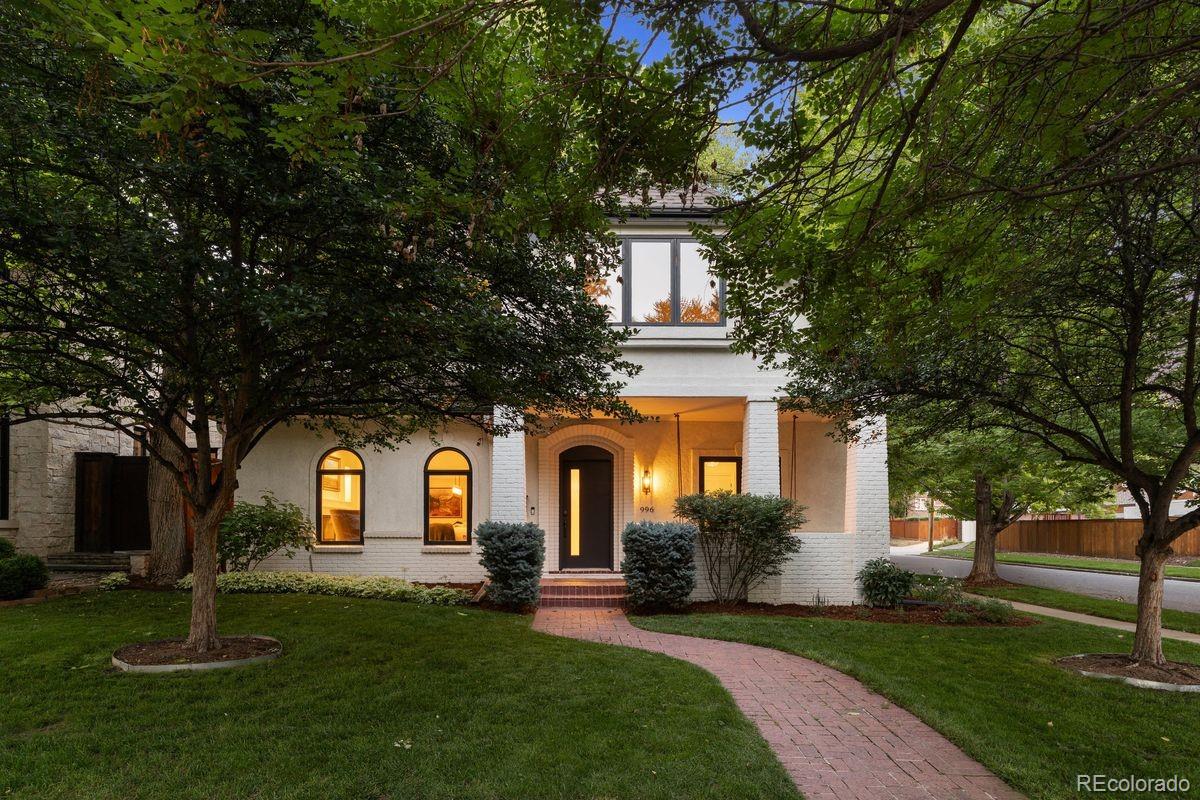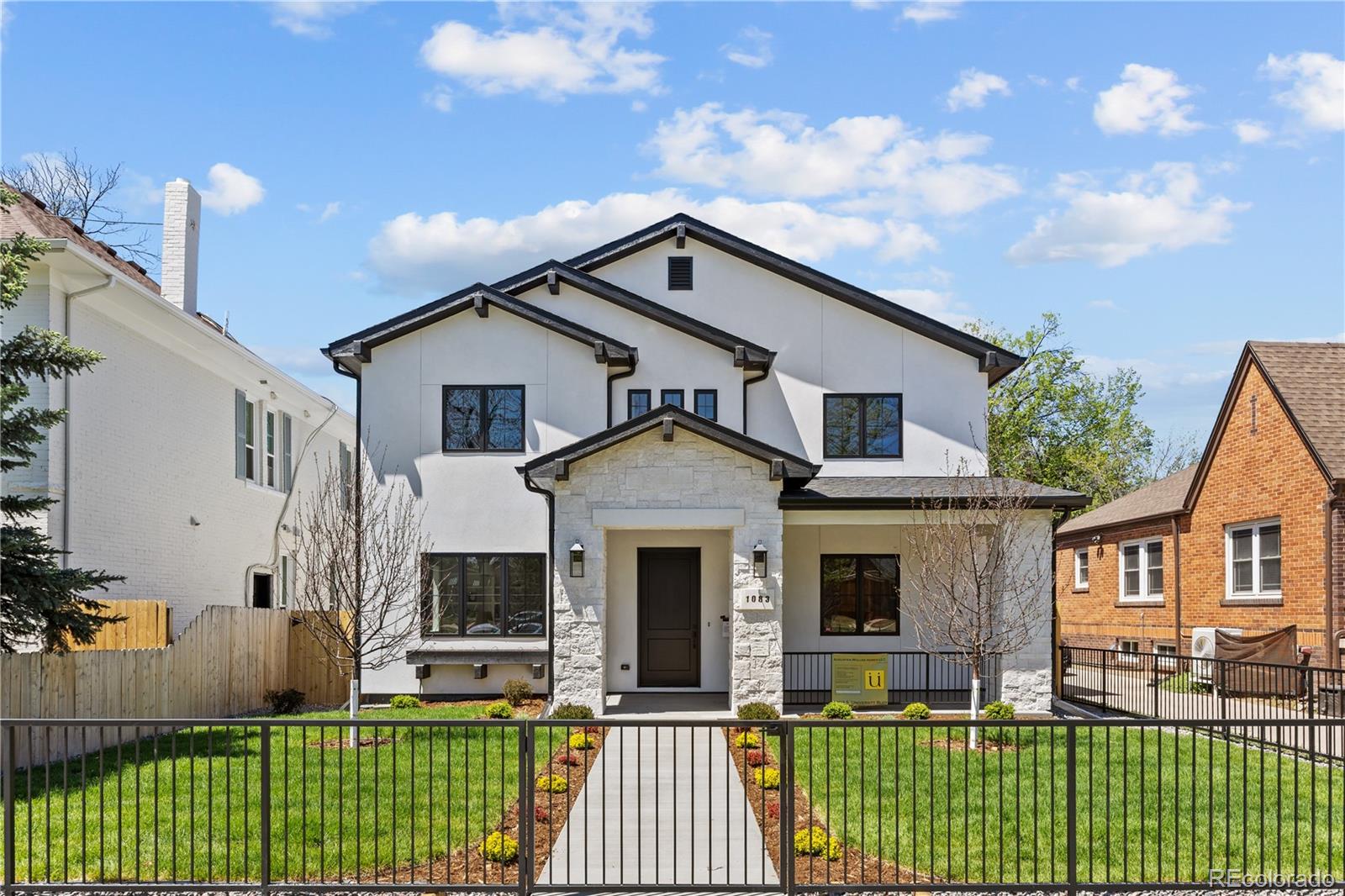
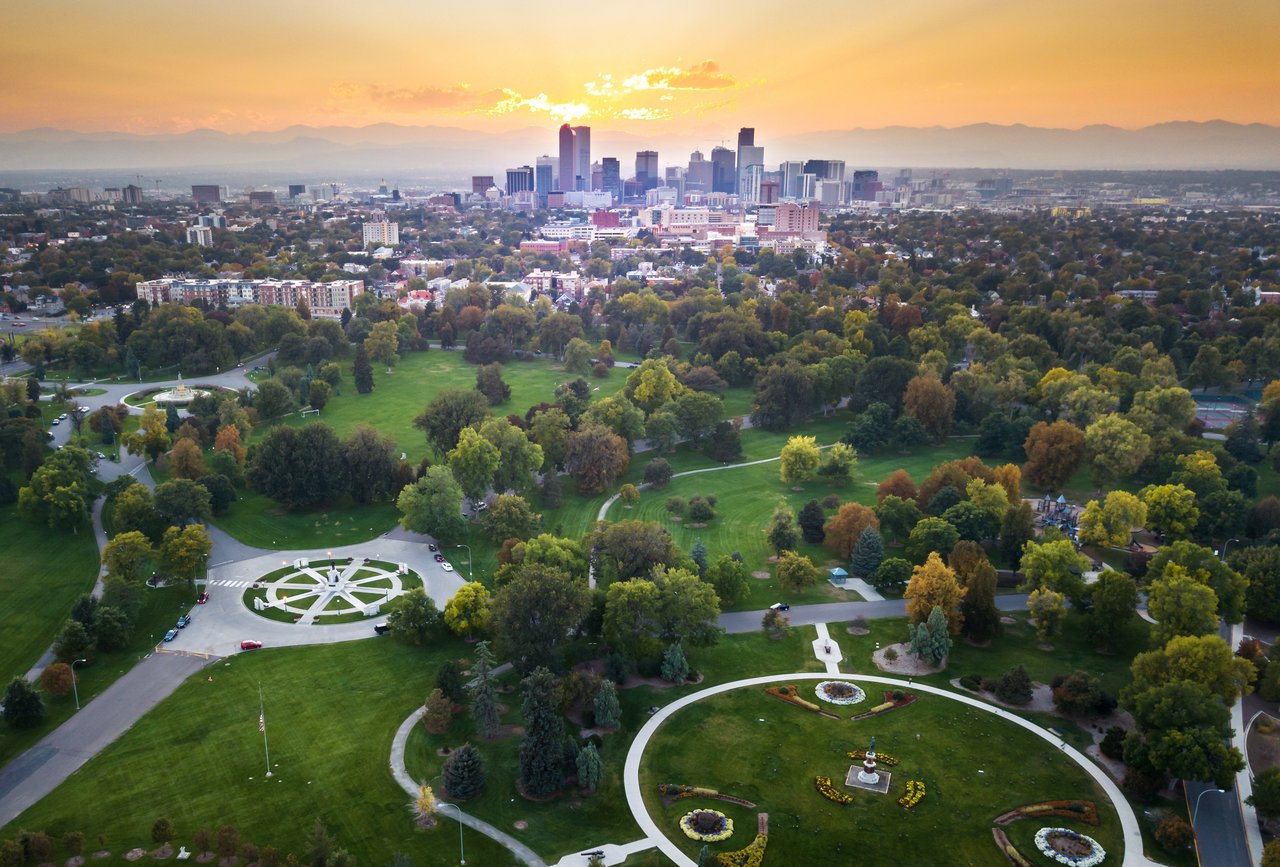
Washington Park is the neighborhood Denver shows off to visitors. The 165-acre park at its center consistently ranks as the city's favorite green space, and the American Planning Association named it one of America's "Great Public Spaces" in 2012. But Wash Park is more than its namesake park. It's a community of tree-lined streets, early 20th-century brick homes, and residents who actually know their neighbors.
The neighborhood sits four miles south of downtown, close enough for an easy commute but far enough to feel distinctly residential. Two commercial corridors anchor daily life here (South Gaylord Street and South Pearl Street), and the park itself functions as an extended backyard for the entire community.
Here's the thing: Wash Park is really two neighborhoods. East Wash Park and West Wash Park have their own associations, different price points, and distinct personalities. The city has tracked them separately since 1972, and understanding the difference matters before you start your home search.
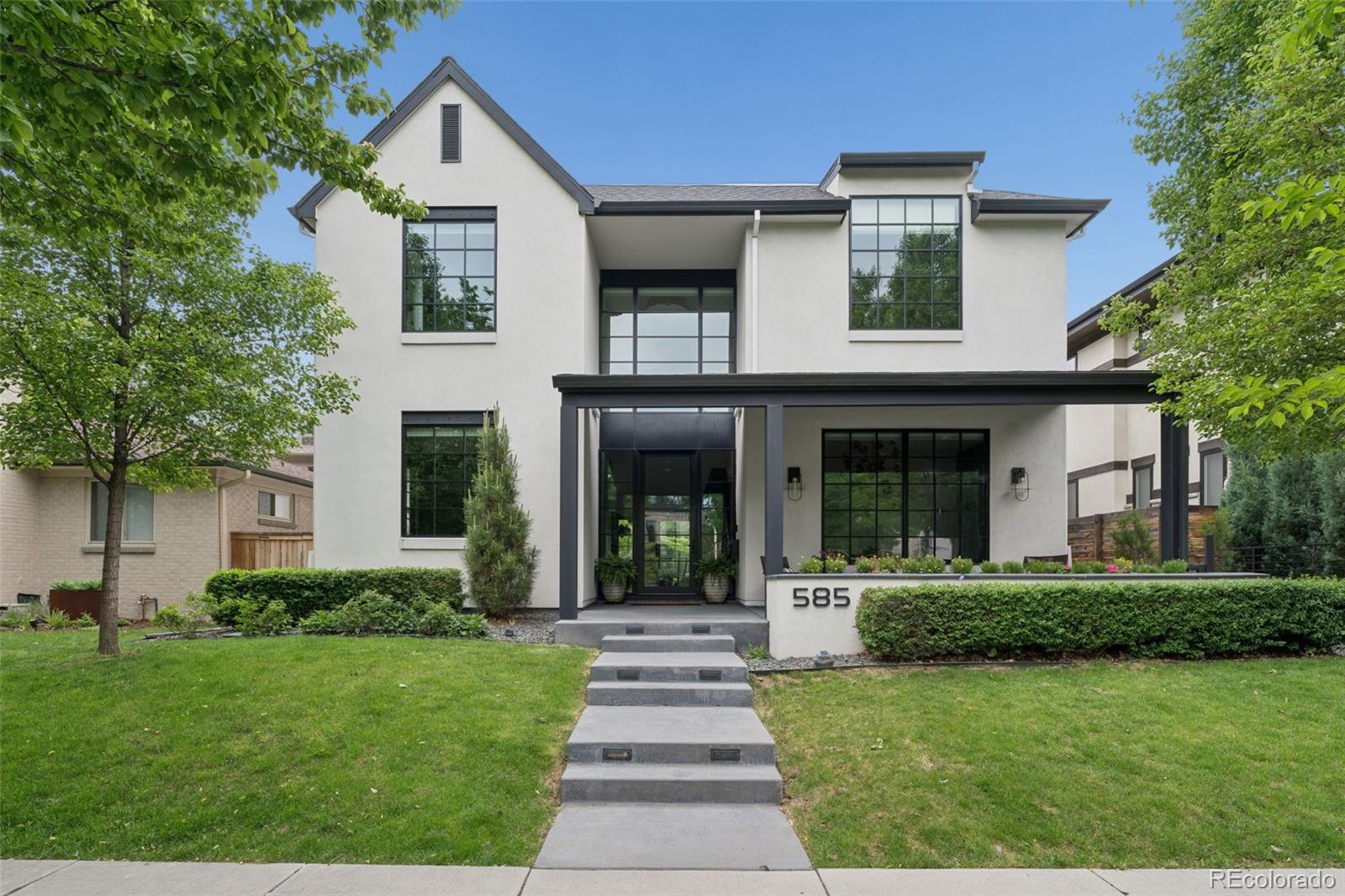
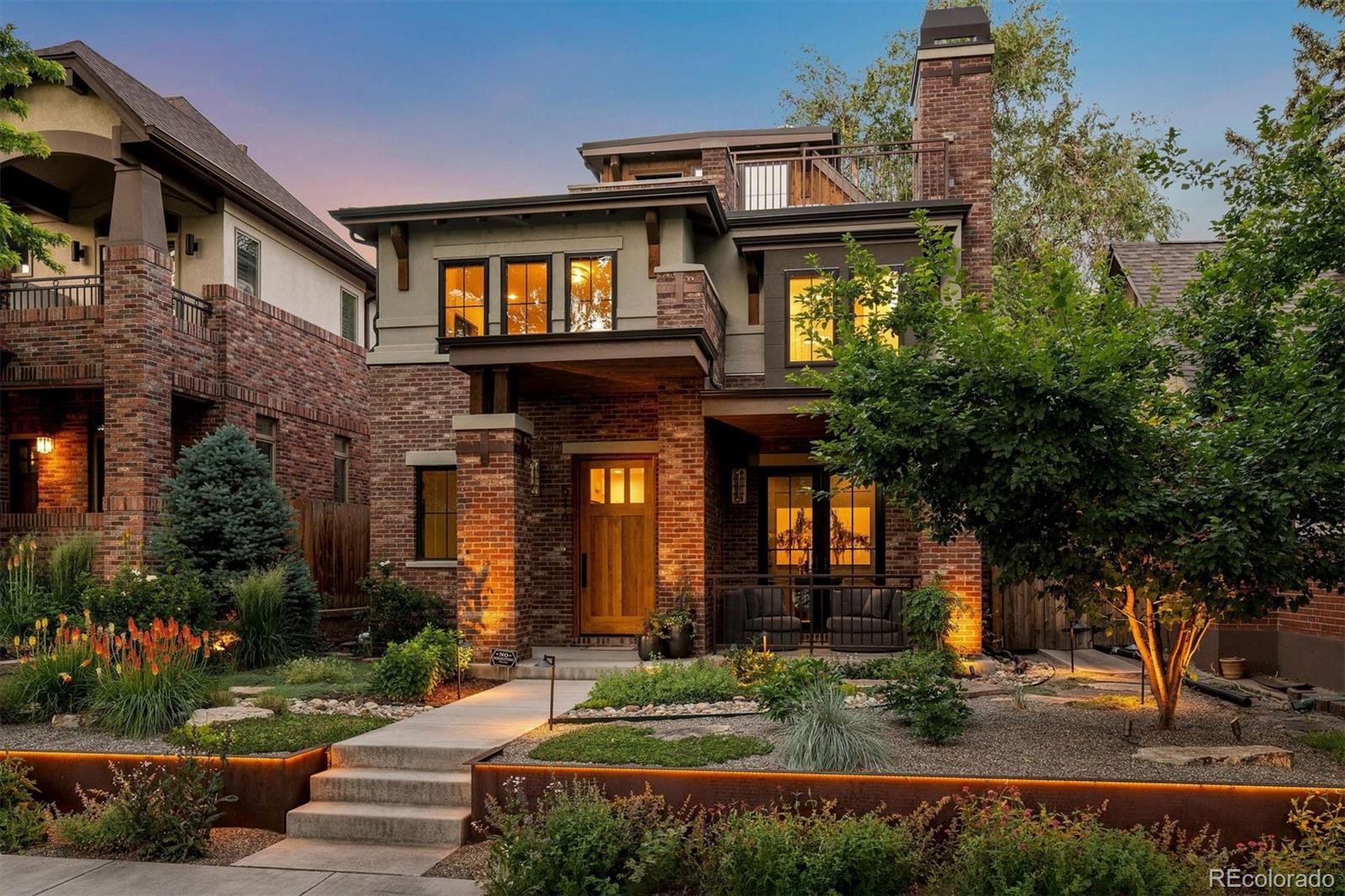
Most homes in Wash Park date from 1900 to 1940, creating one of Denver's best concentrations of early 20th-century architecture. The streets feel established and private, with deep bungalow porches and mature landscaping that's had a century to grow in.
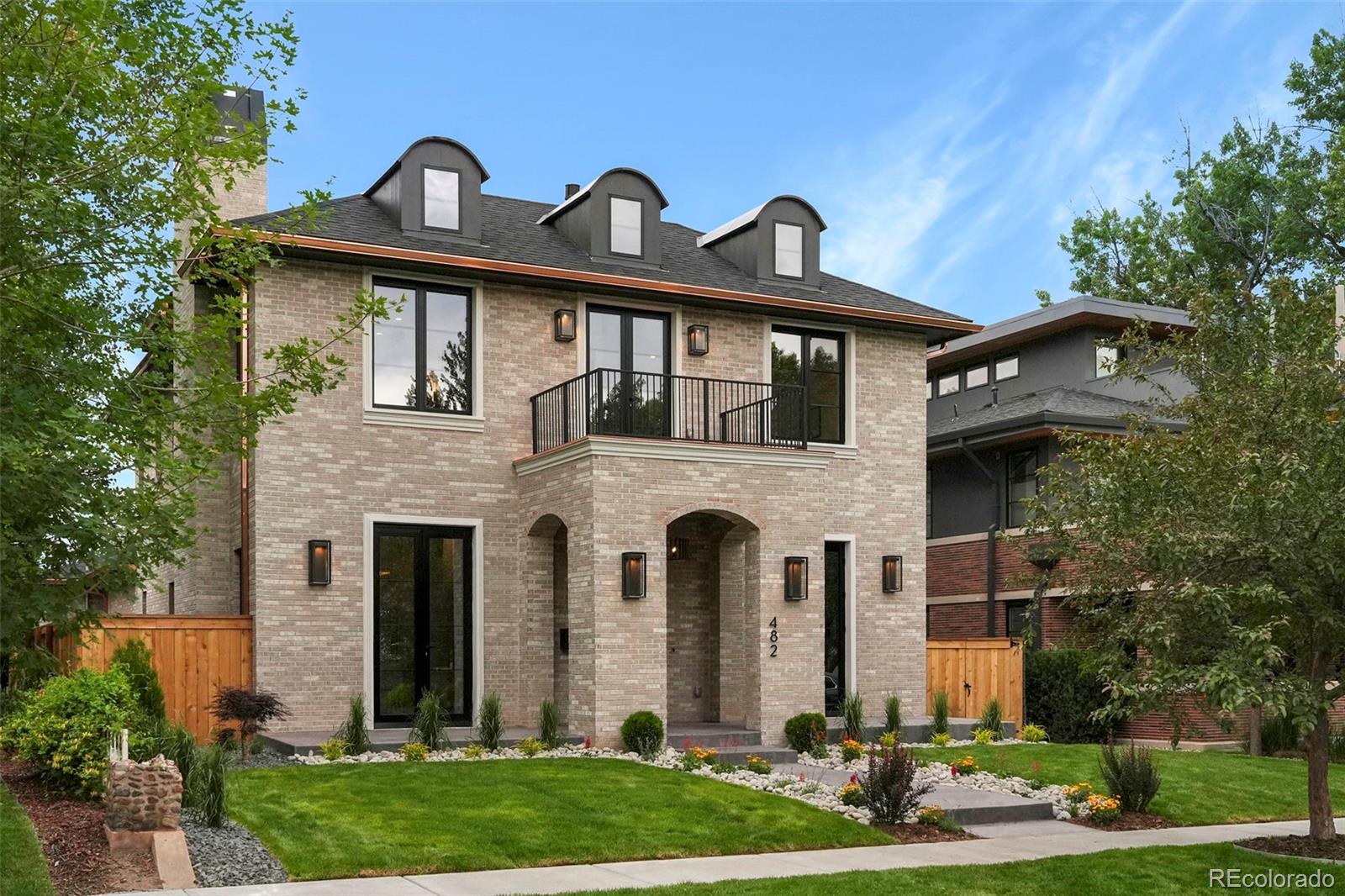
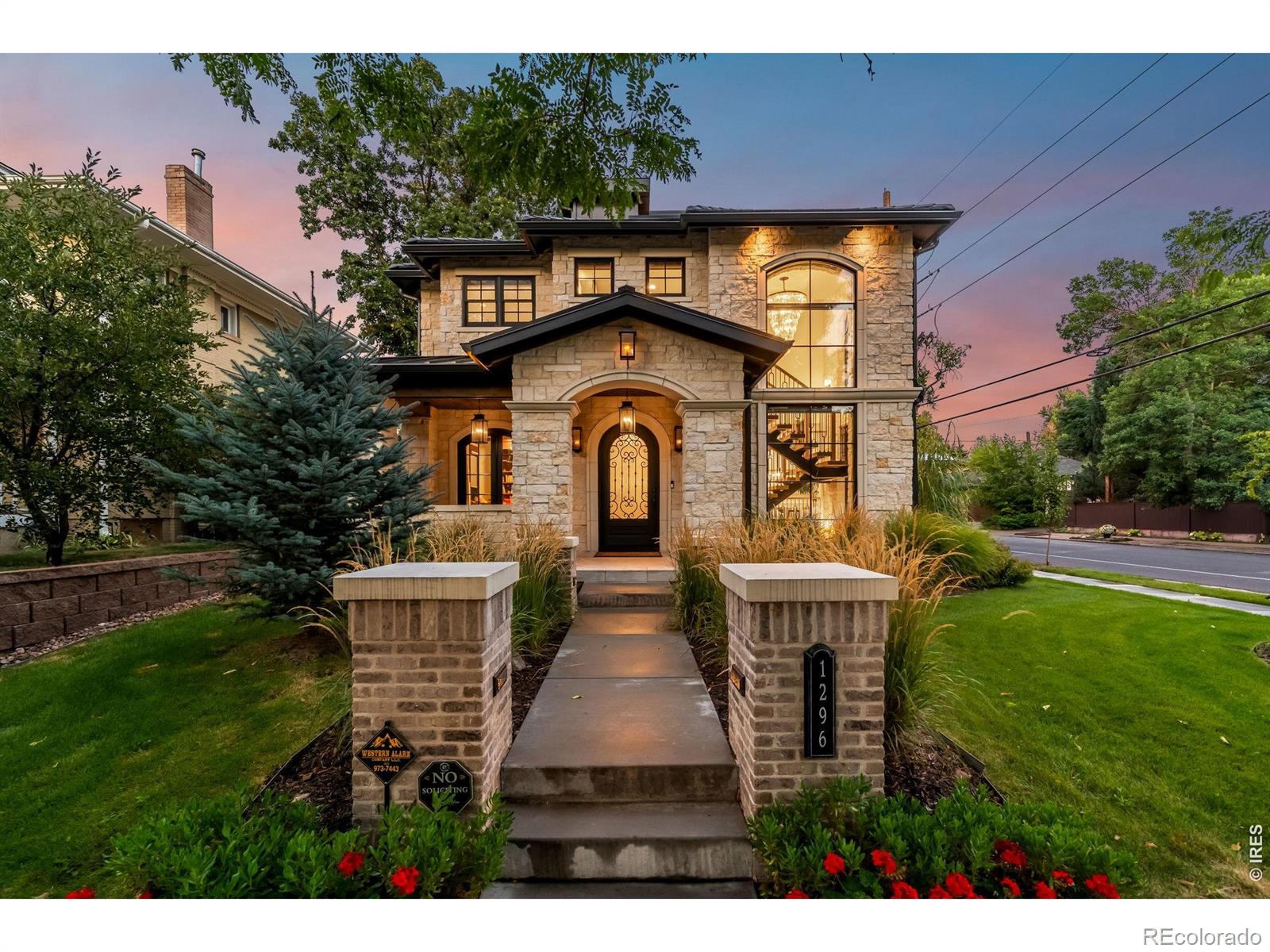
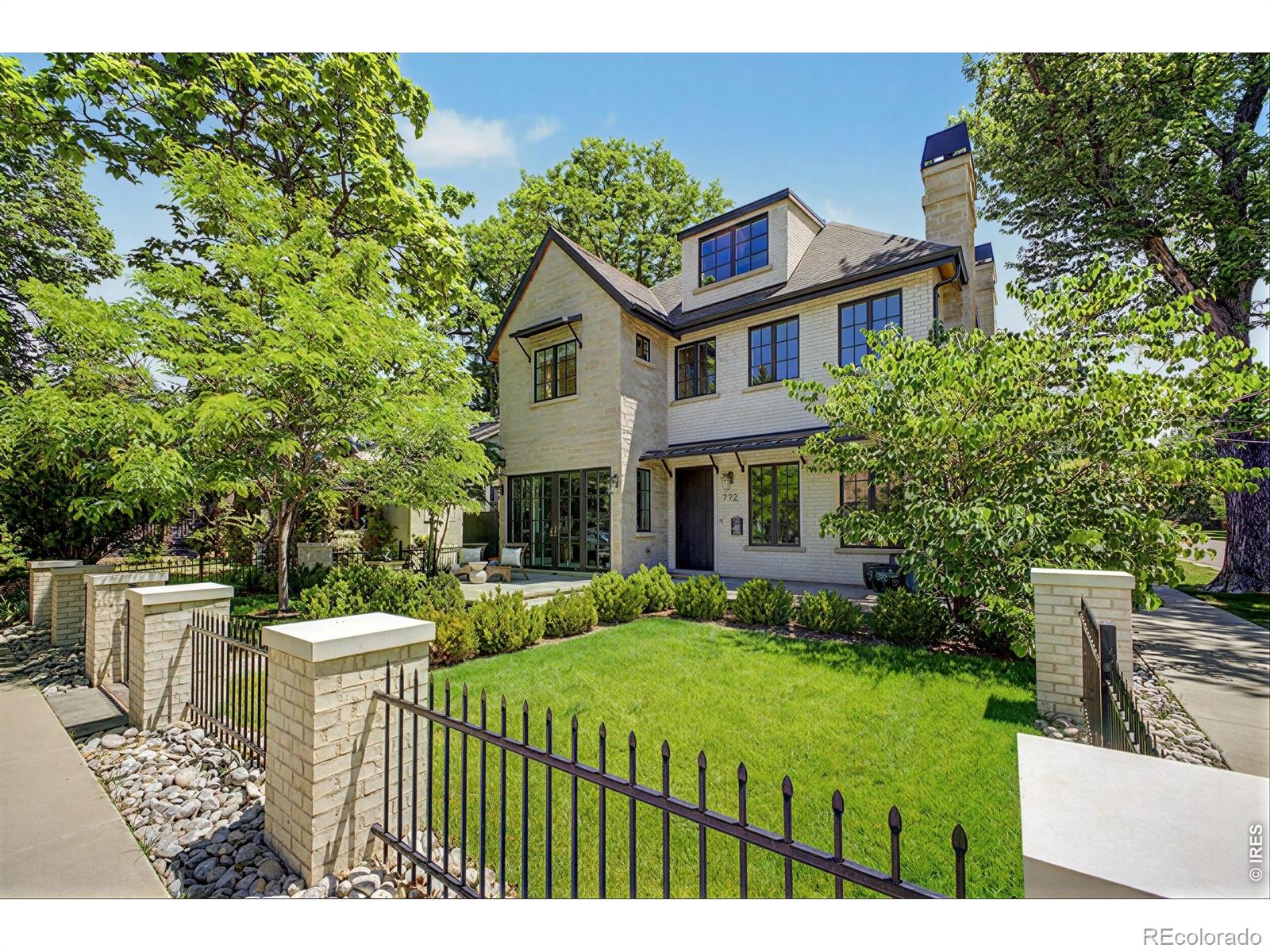
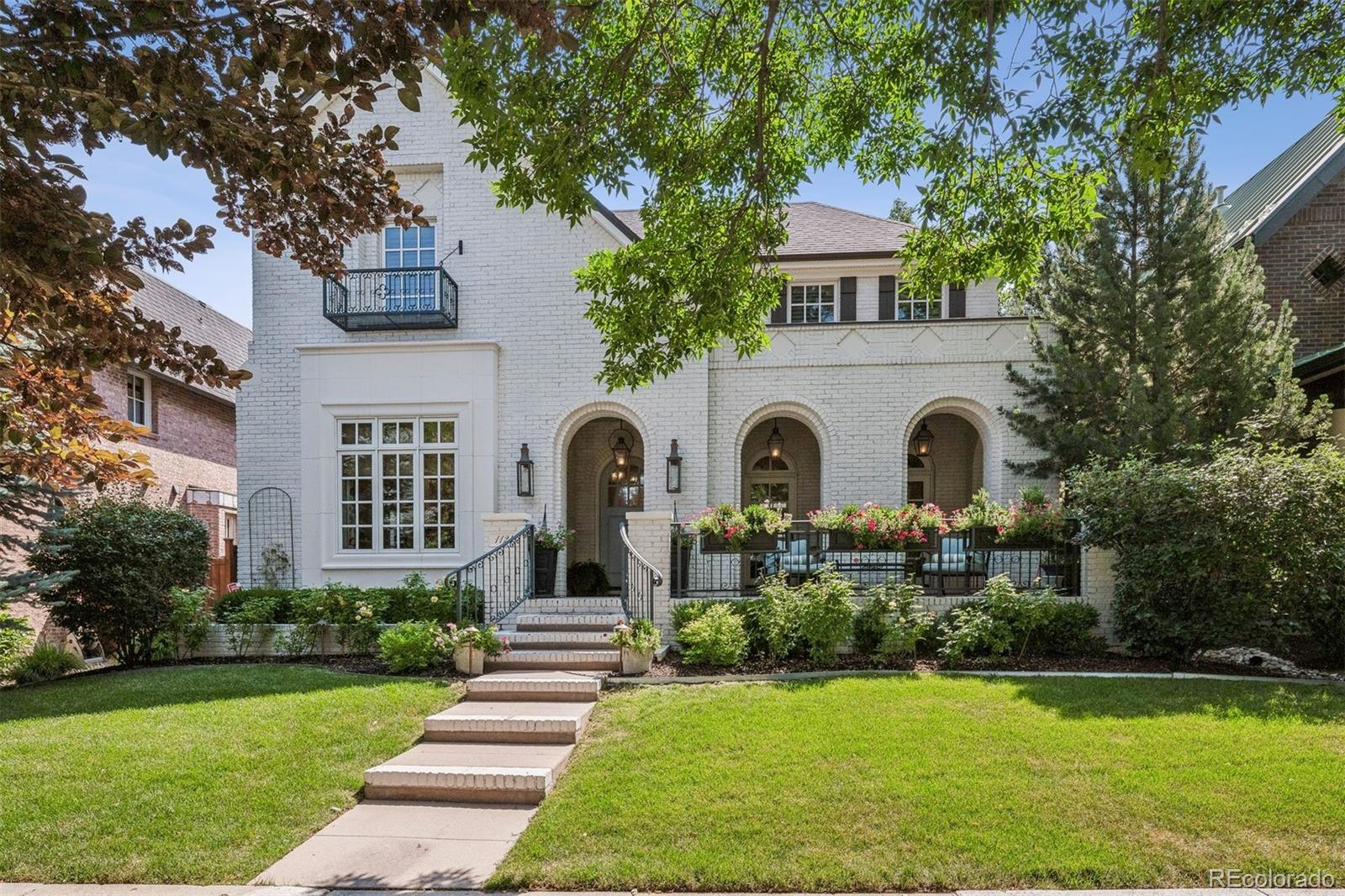
This is the established, prestigious side. East Wash Park stretches from the park's eastern border at Franklin Street to University Boulevard. The architecture here reflects the neighborhood's origins as a destination for Denver's early elite. Expect grand Tudor Revivals with steep-pitched roofs, stately Dutch Colonials, and larger lots with mature landscaping. "Mansion row" borders the park, showcasing these styles at their most impressive scale.
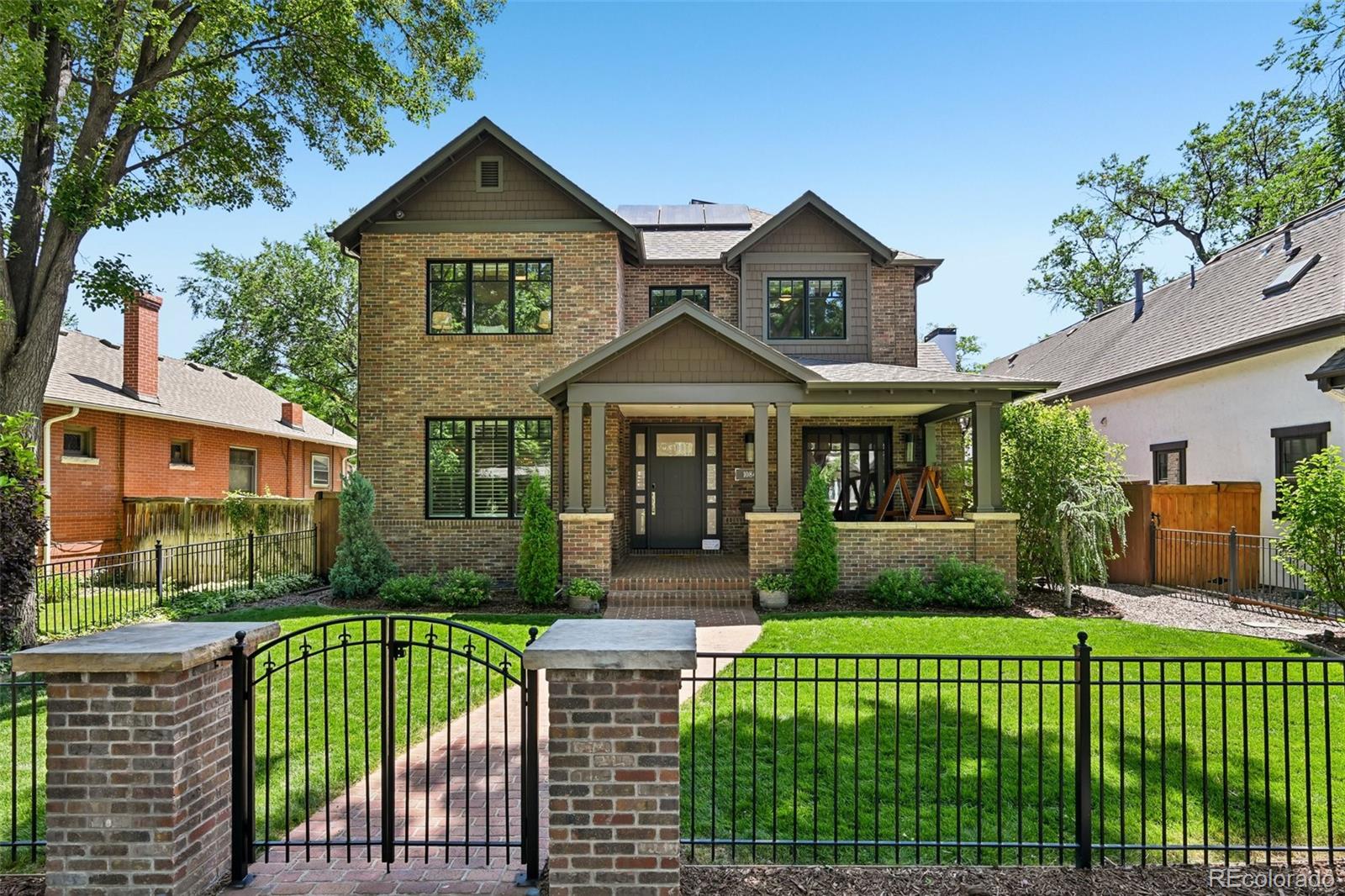
West of Downing Street, the lots are generally smaller and the homes more modest. This side attracts young professionals, first-time buyers, and creative types who want historic character without East Wash Park's higher prices. You'll find Craftsman bungalows with wide porches and square columns, classic Denver Squares (the two-story foursquare design that defines much of early Denver), and Tudor Revival cottages. The dominant architectural style across both sides is the bungalow. Low-slung, with covered front porches, these homes create streetscapes that encourage neighbors to actually interact. Many maintain historic exteriors while featuring modern renovations inside.
Local Tip: Look for "pop-top" renovations where owners have added second stories to bungalows while preserving the original character. These offer more space without sacrificing the neighborhood's architectural consistency.
Other styles you'll encounter:
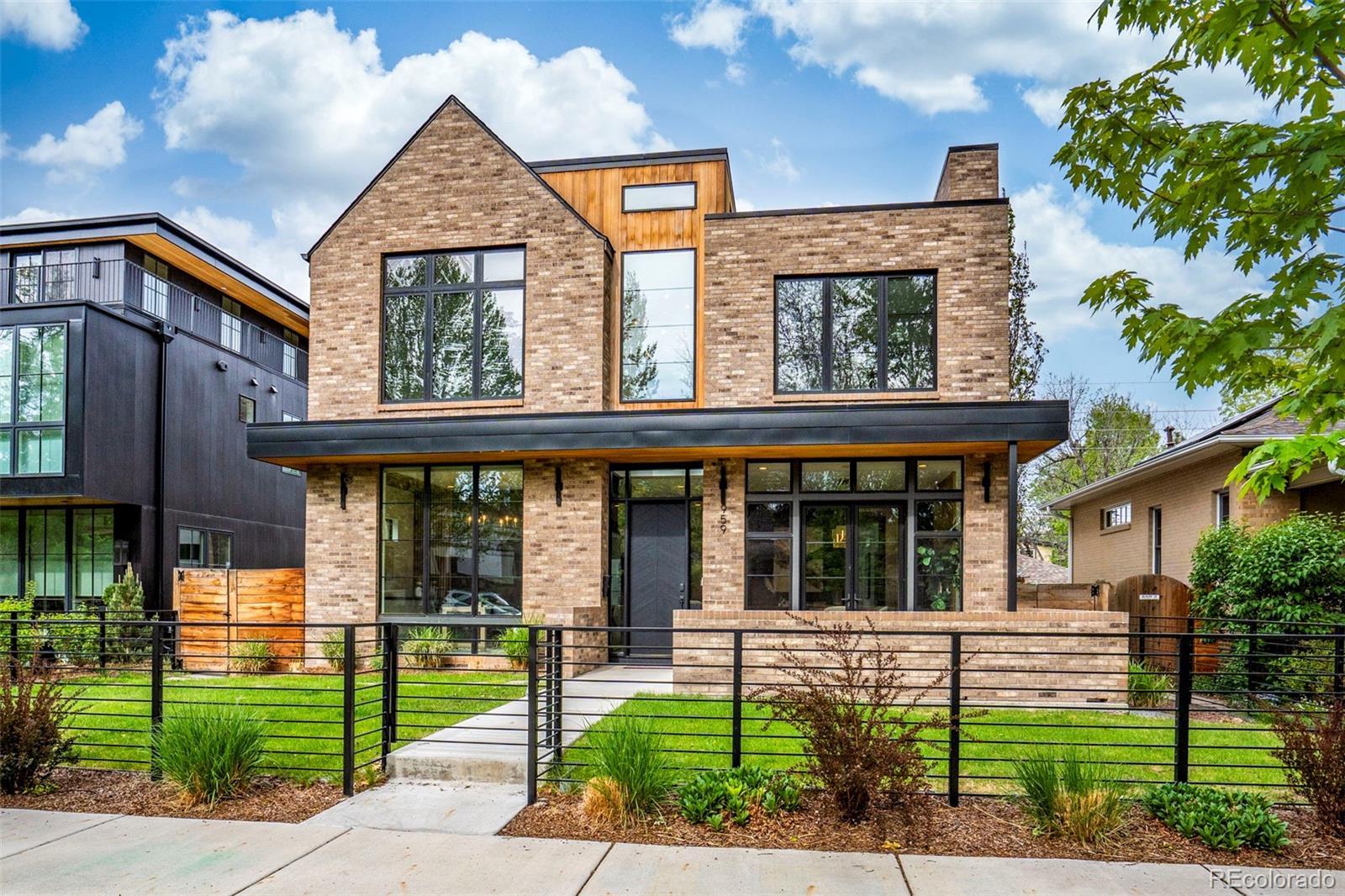
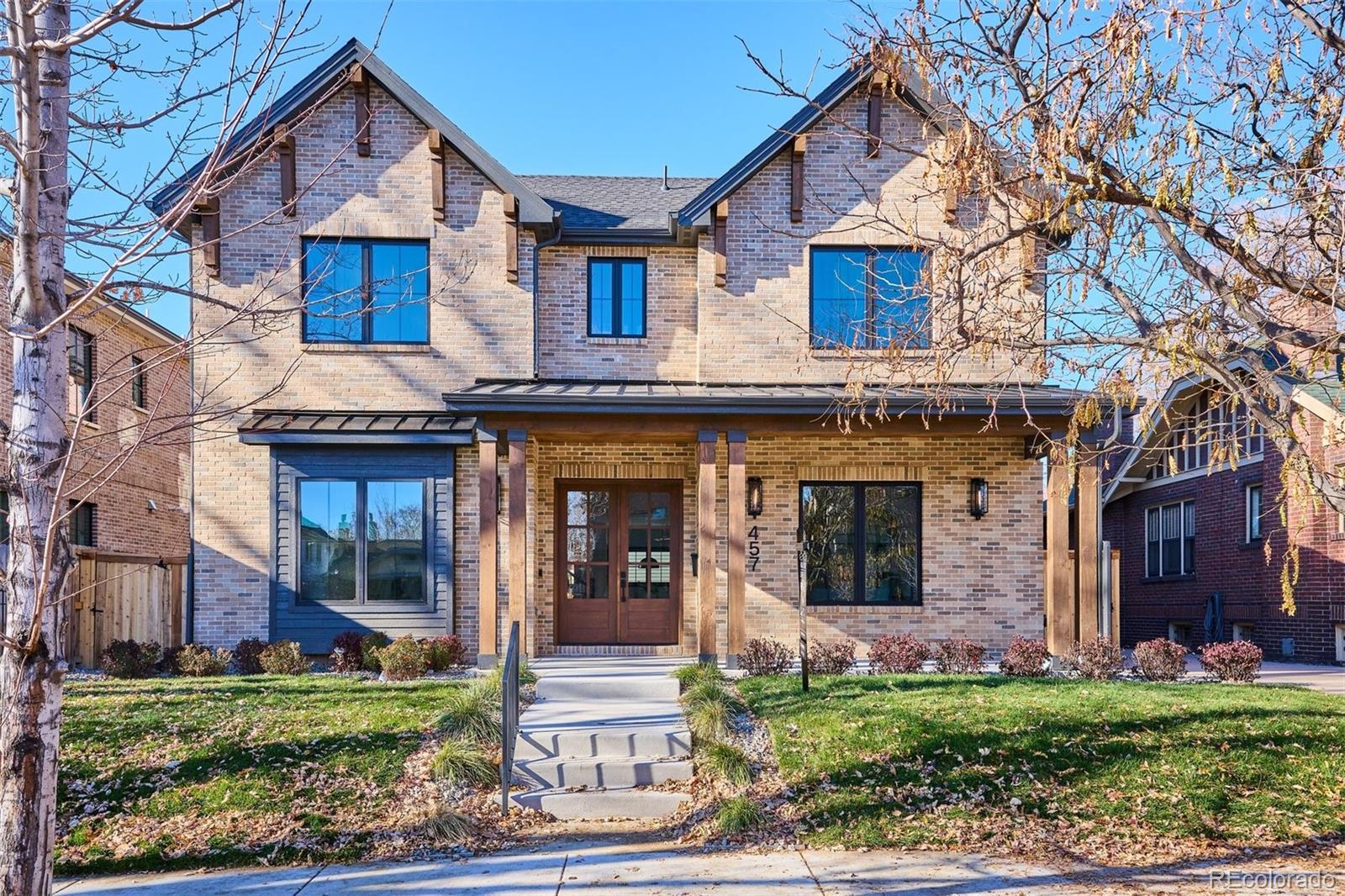
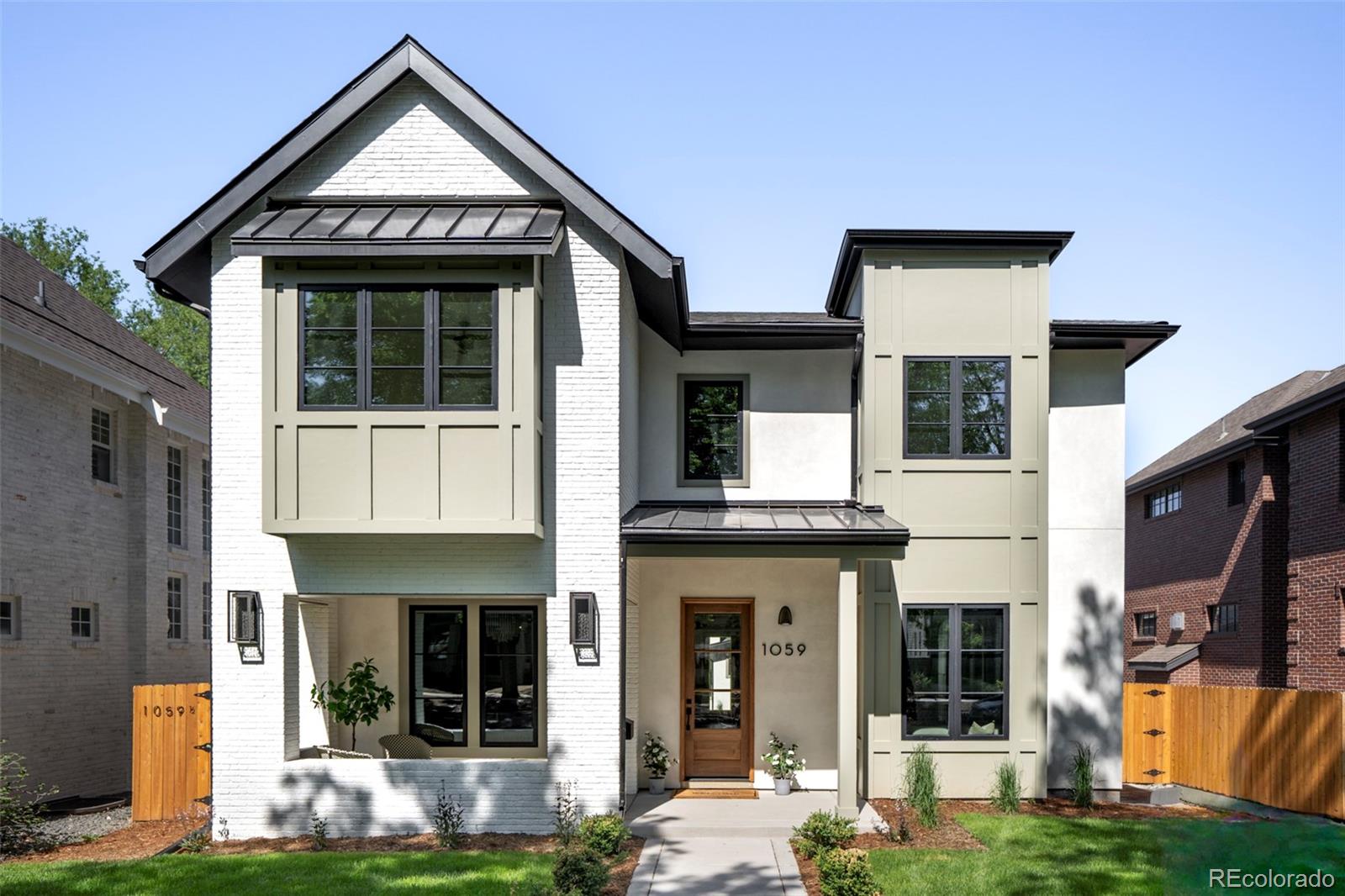
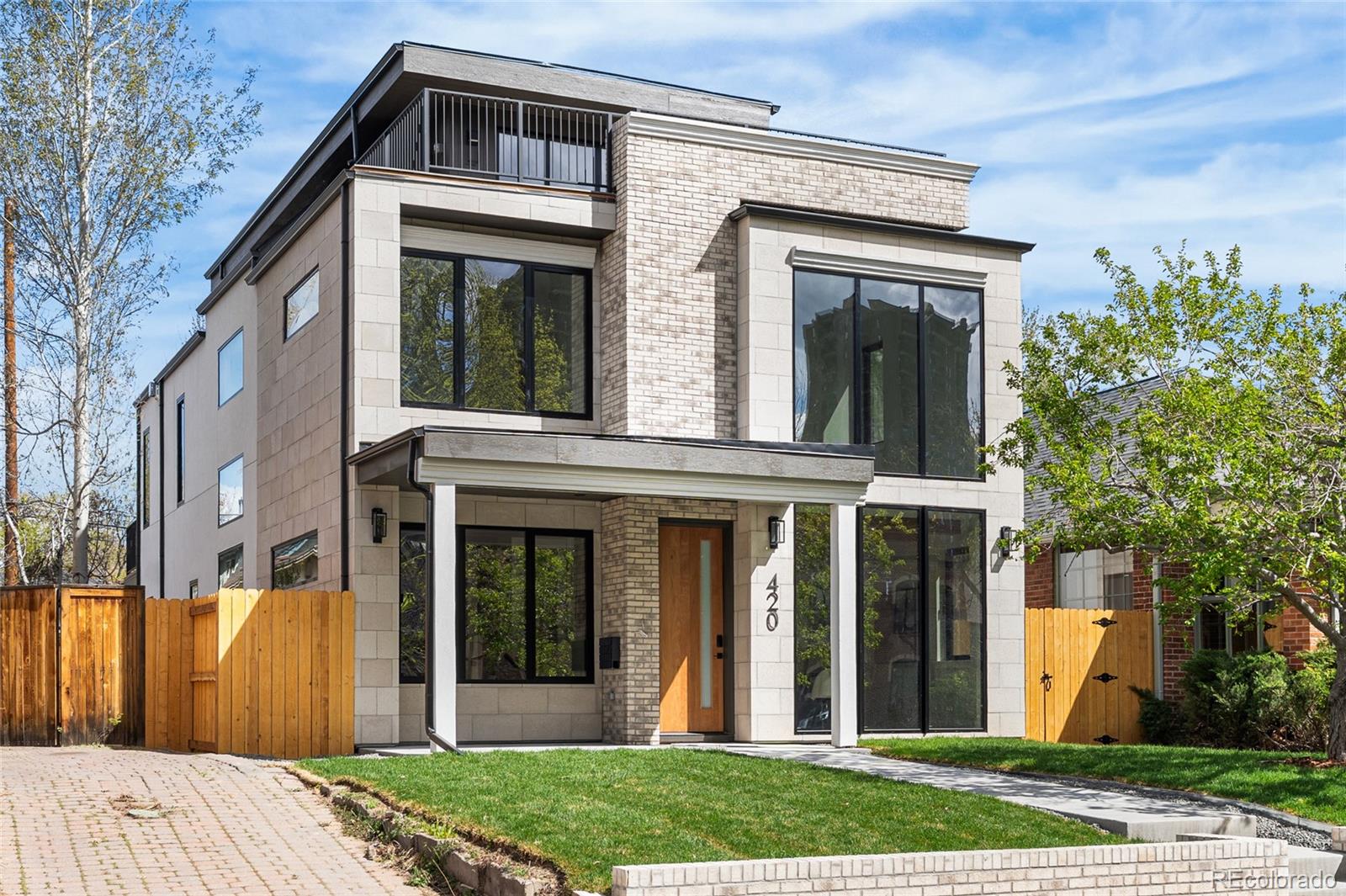
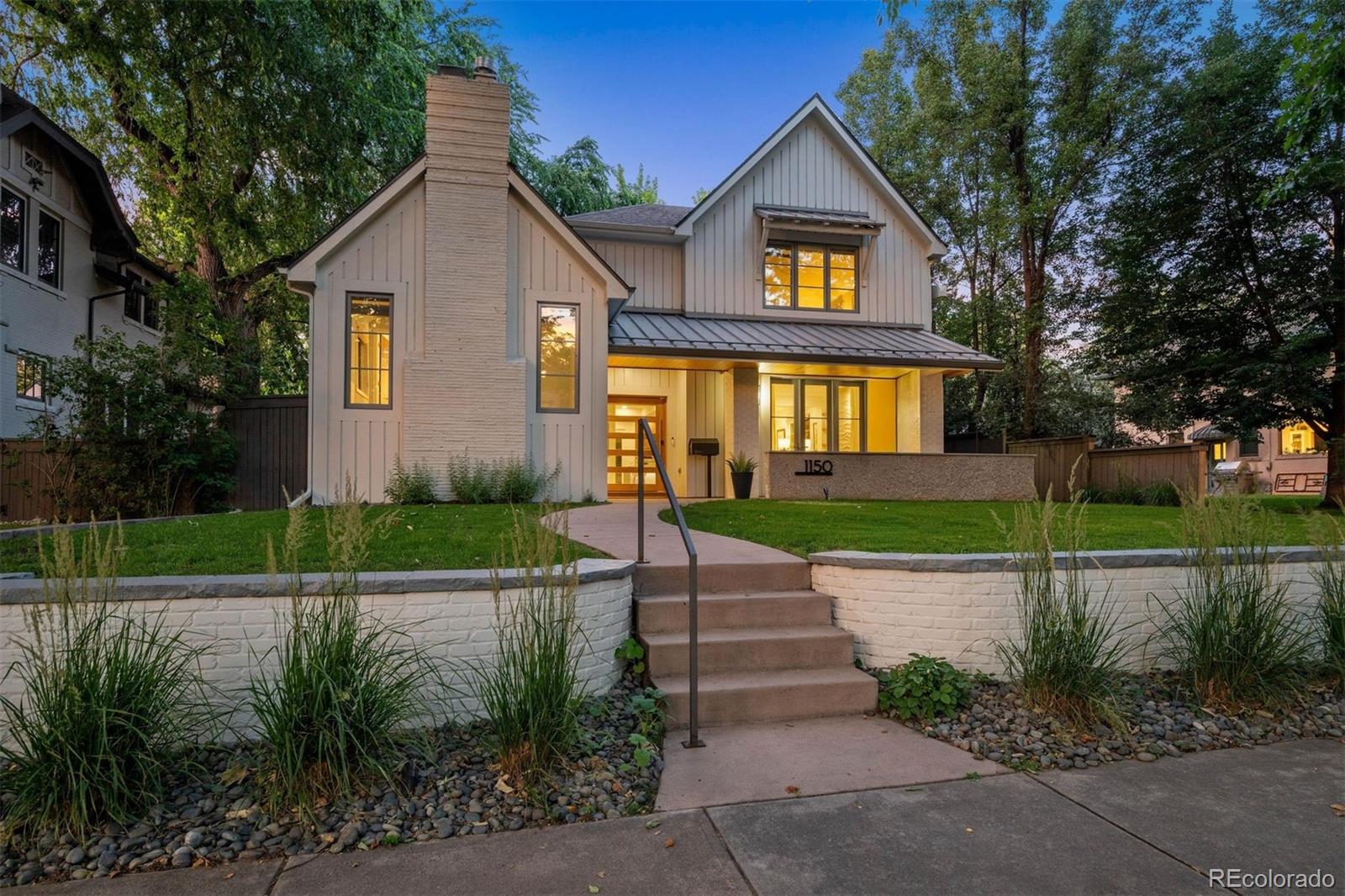
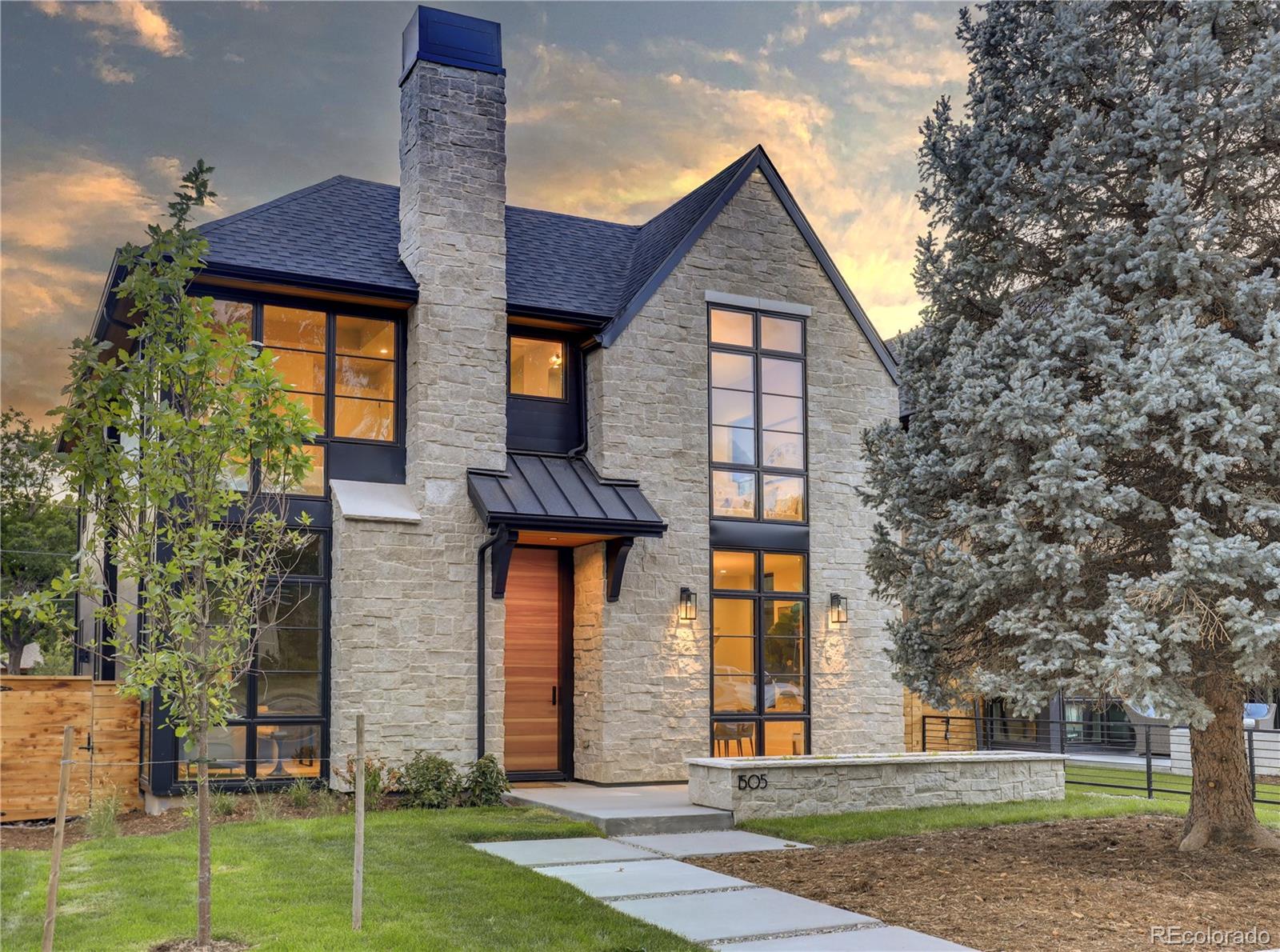
New construction does occur, typically on lots where older homes have been torn down. These contemporary builds aim to complement the existing streetscape, often with brick exteriors and updated Craftsman or modern farmhouse designs.
Single-family homes dominate the market. Condos and townhomes exist but are less common, offering an entry point for buyers who want the neighborhood without the maintenance of a historic home. Owning here means embracing older home realities: original plumbing and electrical systems, foundation considerations, and the occasional surprise that comes with 100-year-old construction.
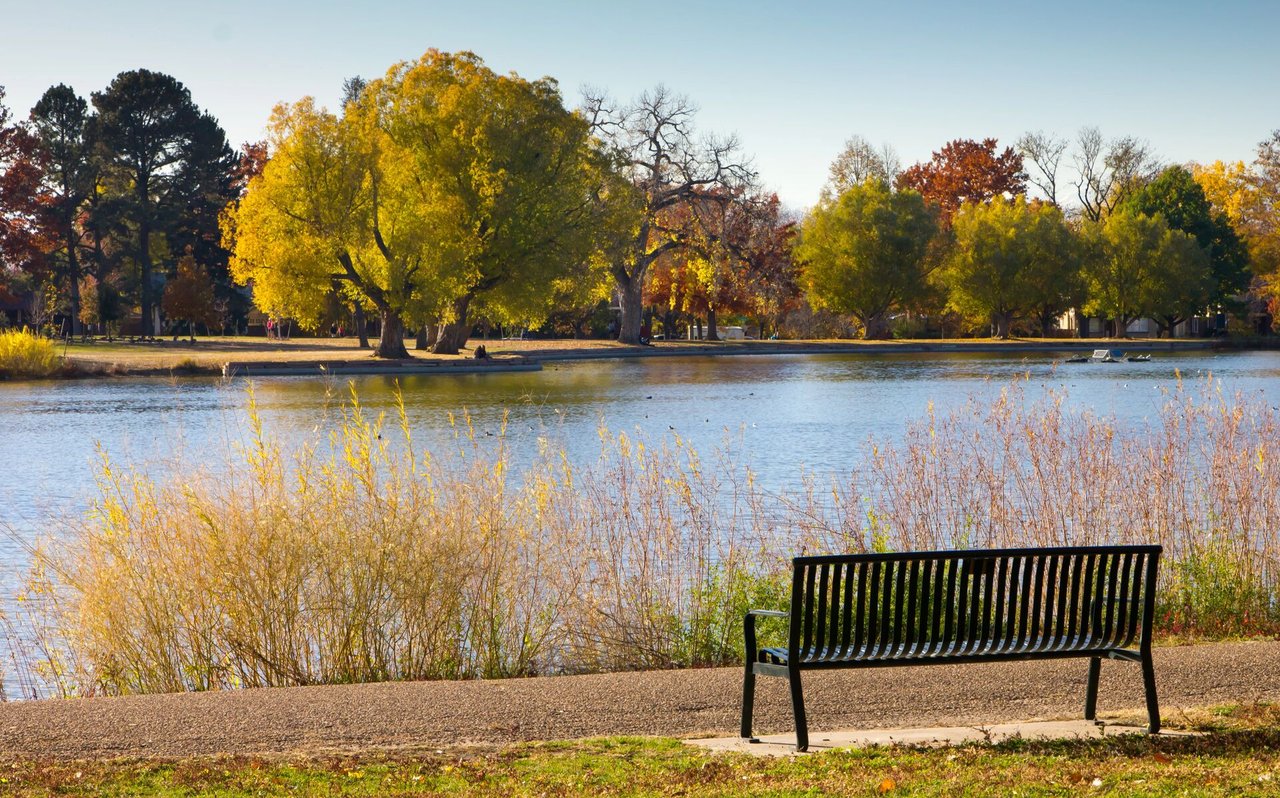
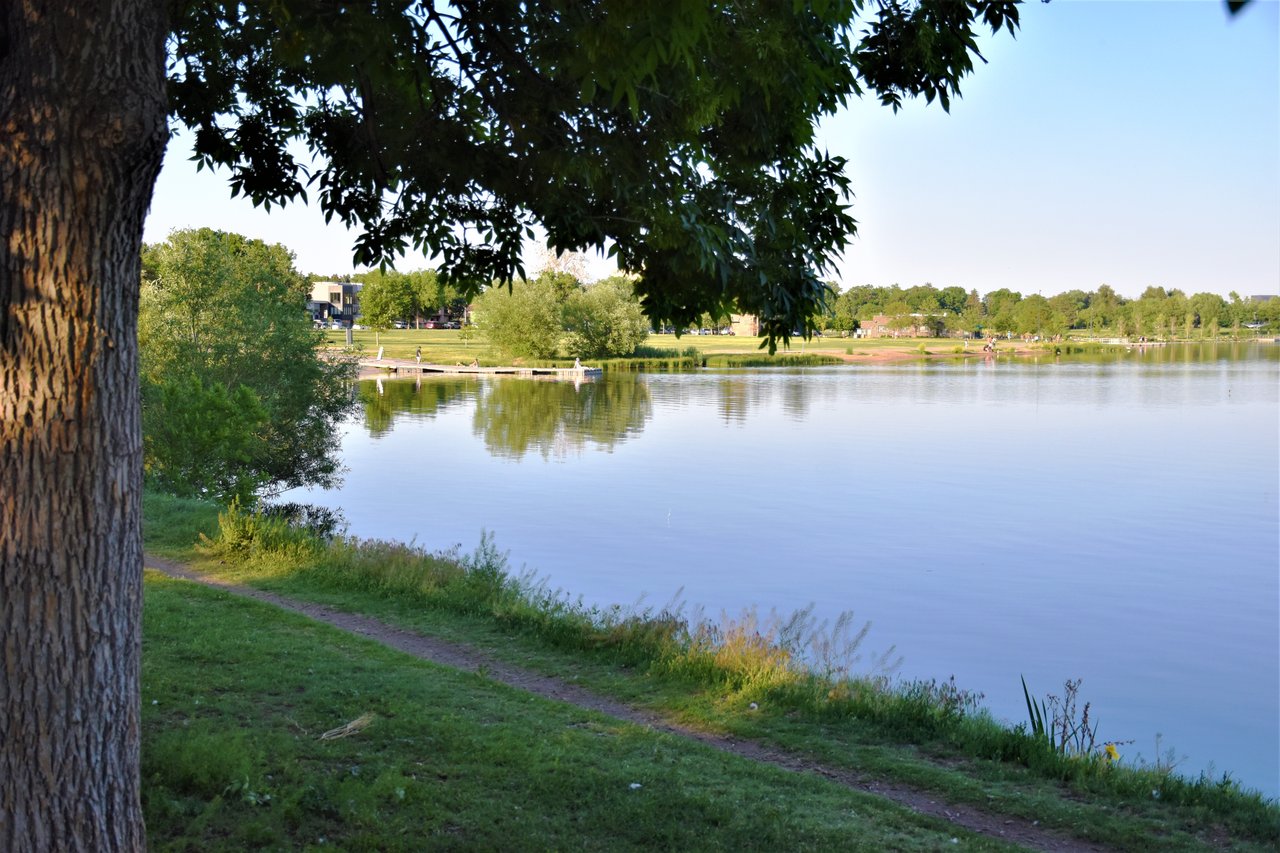
Washington Park defines daily life here. The rectangular 165-acre space runs one mile long by a quarter-mile wide, with Smith Lake to the north and Grasmere Lake to the south. Mornings bring joggers to the 2.6-mile gravel perimeter loop. Weekends fill the Great Meadow with volleyball nets, pickup soccer, and picnickers staking out territory.
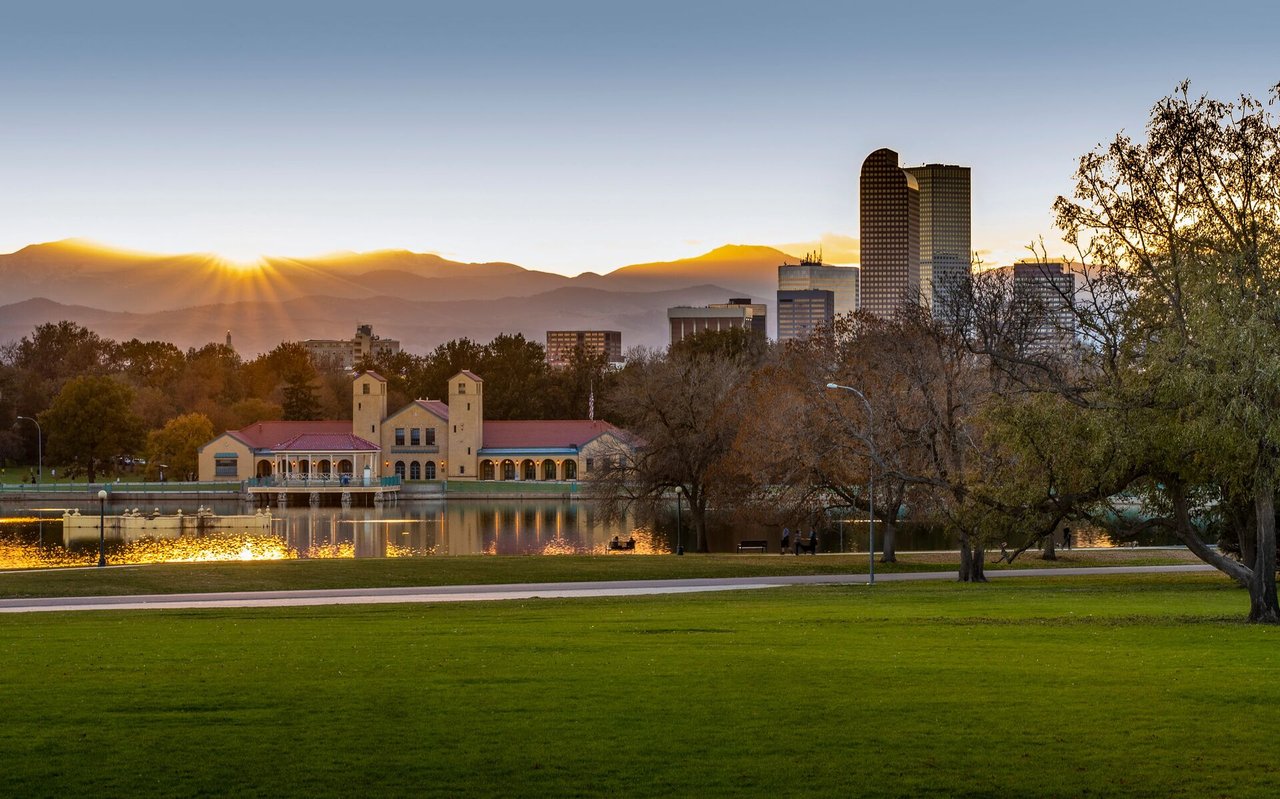
Paddle boat and kayak rentals operate from the Smith Lake boathouse (a 1913 Italian-style structure that hosts weddings and private events). Tennis courts, basketball courts, a lawn bowling green, and a croquet area round out the athletic options. The recreation center inside the park offers an indoor pool, gym, and fitness classes.
Two formal flower gardens showcase 25,000 annuals each year. The larger Perennial Garden sits on the west side; the Mount Vernon Garden on the southeast recreates Martha Washington's original garden at the Virginia estate. Both are watered from the lakes each morning during summer months.
South Gaylord Street packs surprising variety into a single block between Mississippi and Tennessee Avenues:
You can walk to dinner without getting in a car. West Wash Park residents benefit from proximity to South Broadway's more eclectic scene. The corridor running through the Baker neighborhood offers vintage clothing stores, used bookshops, art galleries, international restaurants, and bars ranging from neighborhood taverns to craft cocktail lounges.
"Antique Row" south of Alameda Avenue rewards bargain hunters with densely packed antique stores. South Pearl Street adds another commercial option with galleries, wine bars, boutiques, and the Denver Folklore Center (one of the city's oldest acoustic music shops).
Commercial Corridor | Character | Distance from Park |
|---|---|---|
South Gaylord | Boutique shops, fine dining, neighborhood feel | Adjacent |
South Pearl | Galleries, wine bars, seasonal festivals | Short walk |
South Broadway | Eclectic bars, vintage shops, international food | Short drive |
Denver Public Schools serves the neighborhood. Steele Elementary, an Art Deco building within walking distance for many families, ranks among Denver's top-performing elementary schools. Most students move on to Merrill Middle School, which offers STEM enrichment including Lego robotics programs. South High School sits just south of the park, its historic 1926 building modeled after a Roman basilica.
The school has produced notable alumni including NFL players Phillip Lindsay and Calais Campbell. South competes in various athletic divisions and maintains one of Denver's most active alumni associations.
Local Tip: Many families specifically target addresses within Steele Elementary's boundaries. Walkability to school is a genuine selling point here.
Private options include St. John's Lutheran School (preschool through 8th grade) and several respected preschools and early childhood programs scattered throughout the neighborhood.
Wash Park is fundamentally walkable. Wide sidewalks, designated bike lanes, and a flat grid make car-free living genuinely practical for daily errands. The Cherry Creek Bike Path connects to downtown Denver and the larger trail network.
For longer commutes, I-25 forms the southern boundary, providing direct highway access. RTD's E and H light rail lines run just south of the neighborhood (Louisiana-Pearl and University of Denver stations), offering an alternative to driving downtown. Multiple bus routes serve the area.
The bottom line? Downtown is about 15 minutes by car, under 20 minutes by light rail, and accessible by bike for the committed cyclist.
The neighborhood hosts several annual events:
These aren't manufactured community moments. They reflect a neighborhood where people actually participate in local life.
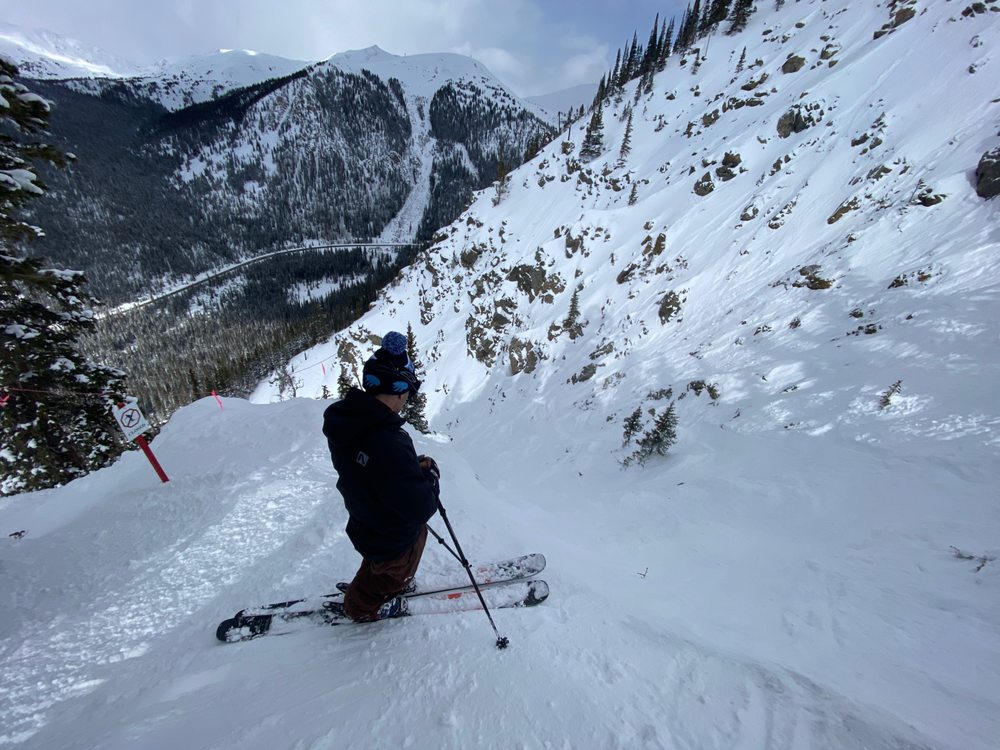
The median age trends older than Denver as a whole (47 versus the city average), reflecting both established families and empty nesters who chose to stay. Young professionals and couples increasingly compete for West Wash Park's more affordable options. The neighborhood draws outdoor enthusiasts, health-conscious residents, and people who prioritize walkability and green space.
Educational attainment runs high (over 80% college educated), and household incomes skew above Denver averages. Roughly 76% of residents own rather than rent, creating stability and long-term investment in property maintenance.
And the best part? Despite its desirability, Wash Park retains genuine neighborhood character. People wave. They recognize each other at the park. It's not a museum of historic homes; it's a place where people actually live and build community.
7,672 people live in Washington Park, where the median age is 47 and the average individual income is $133,449. Data provided by the U.S. Census Bureau.
Total Population
Median Age
Population Density Population Density This is the number of people per square mile in a neighborhood.
Average individual Income
There's plenty to do around Washington Park, including shopping, dining, nightlife, parks, and more. Data provided by Walk Score and Yelp.
Explore popular things to do in the area, including Fitness Ignition, Axistence Athletics, and The Studio of Unique Fitness.
| Name | Category | Distance | Reviews |
Ratings by
Yelp
|
|---|---|---|---|---|
| Active | 1.92 miles | 6 reviews | 5/5 stars | |
| Active | 3.68 miles | 11 reviews | 5/5 stars | |
| Active | 4.71 miles | 9 reviews | 5/5 stars | |
| Active | 3 miles | 5 reviews | 5/5 stars | |
| Active | 2.7 miles | 21 reviews | 5/5 stars | |
| Beauty | 3.77 miles | 7 reviews | 5/5 stars | |
| Beauty | 0.83 miles | 8 reviews | 5/5 stars | |
| Beauty | 1.46 miles | 12 reviews | 5/5 stars | |
| Beauty | 1.57 miles | 12 reviews | 5/5 stars | |
| Beauty | 1.41 miles | 9 reviews | 5/5 stars | |
| Beauty | 1.83 miles | 6 reviews | 5/5 stars | |
| Beauty | 1.41 miles | 7 reviews | 5/5 stars | |
| Beauty | 4.34 miles | 5 reviews | 5/5 stars | |
| Beauty | 1.67 miles | 7 reviews | 5/5 stars | |
| Beauty | 0.32 miles | 29 reviews | 4.9/5 stars | |
|
|
||||
|
|
||||
|
|
||||
|
|
||||
|
|
||||
|
|
Washington Park has 3,429 households, with an average household size of 2. Data provided by the U.S. Census Bureau. Here’s what the people living in Washington Park do for work — and how long it takes them to get there. Data provided by the U.S. Census Bureau. 7,672 people call Washington Park home. The population density is 6,528 and the largest age group is Data provided by the U.S. Census Bureau.
Total Population
Population Density Population Density This is the number of people per square mile in a neighborhood.
Median Age
Men vs Women
Population by Age Group
0-9 Years
10-17 Years
18-24 Years
25-64 Years
65-74 Years
75+ Years
Education Level
Total Households
Average Household Size
Average individual Income
Households with Children
With Children:
Without Children:
Marital Status
Blue vs White Collar Workers
Blue Collar:
White Collar:
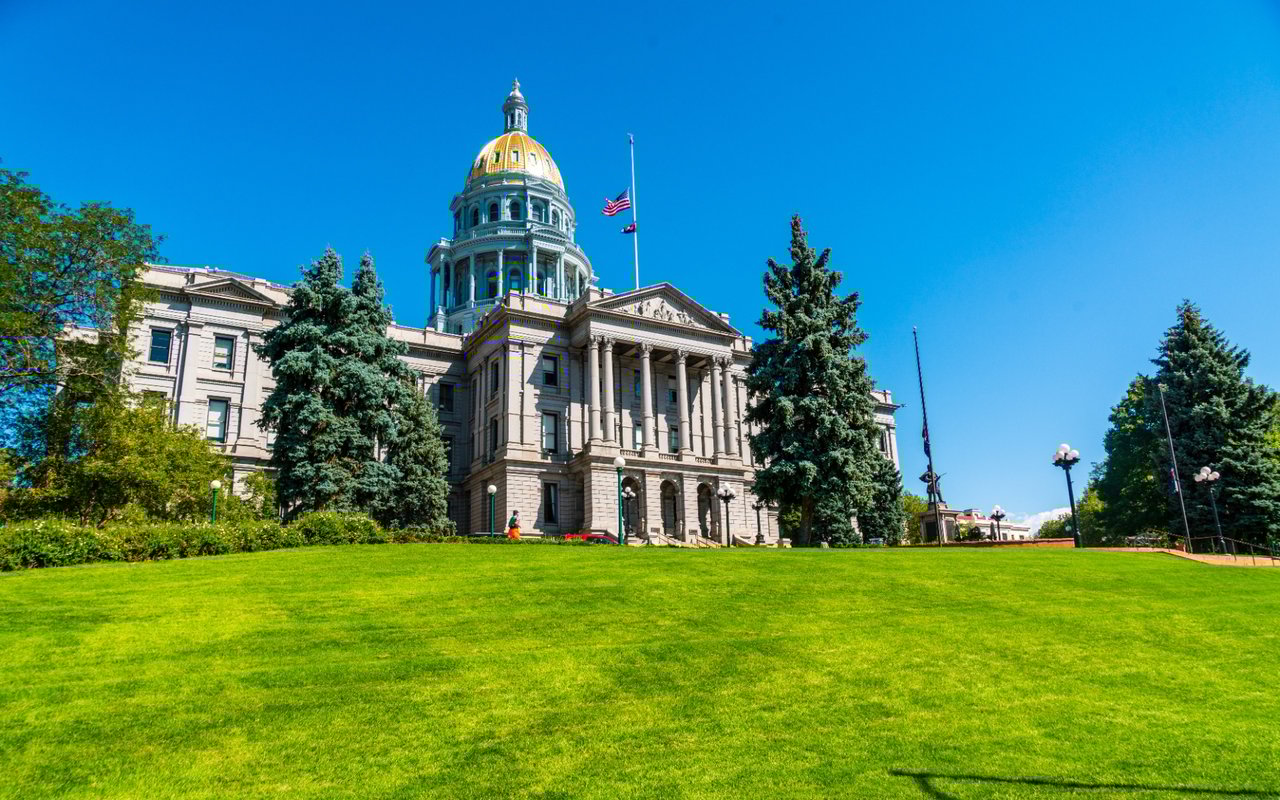 Capitol Hill
Washington Park
Capitol Hill
Washington Park
 Downtown Denver
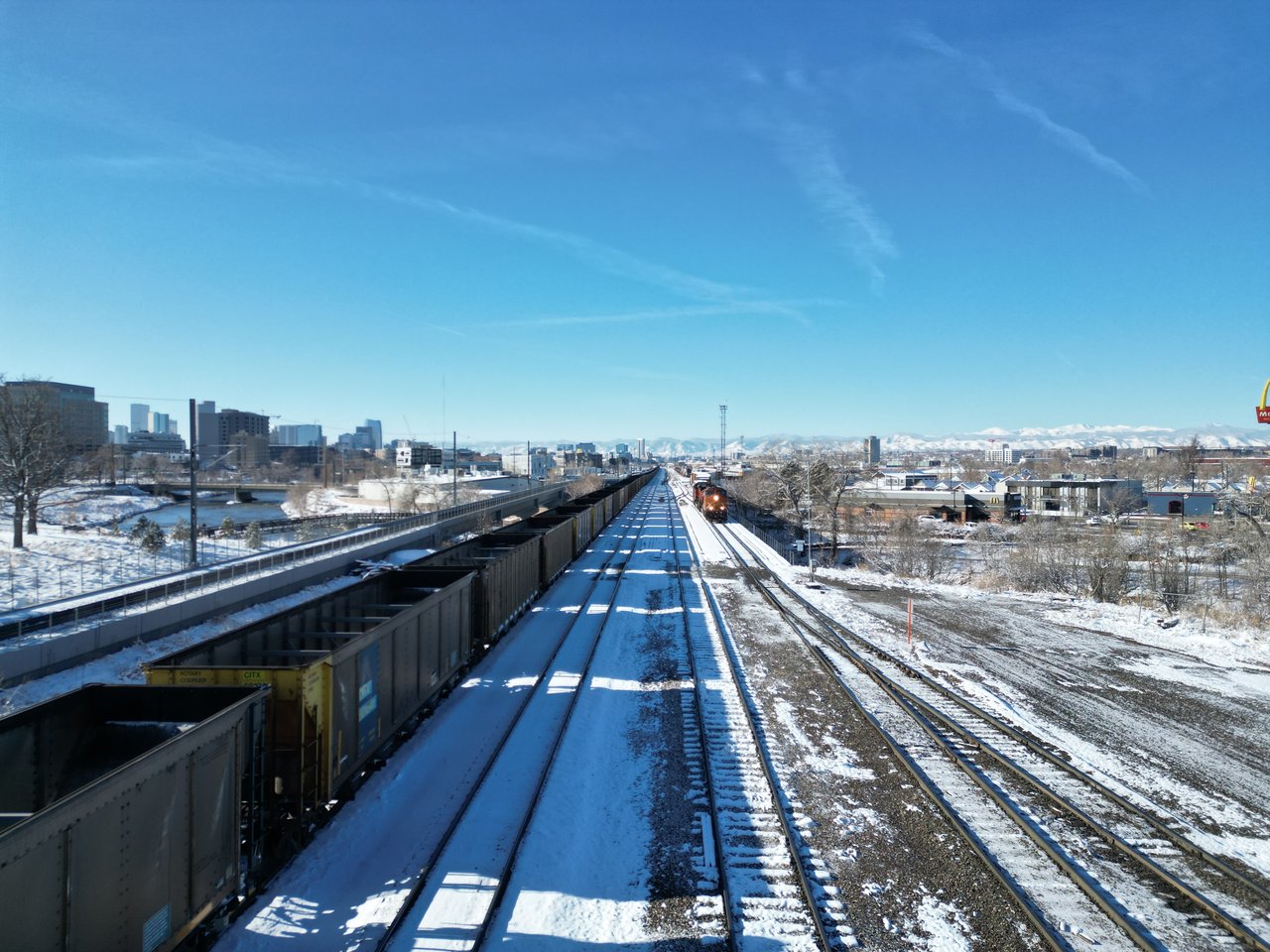 River North (RiNo)
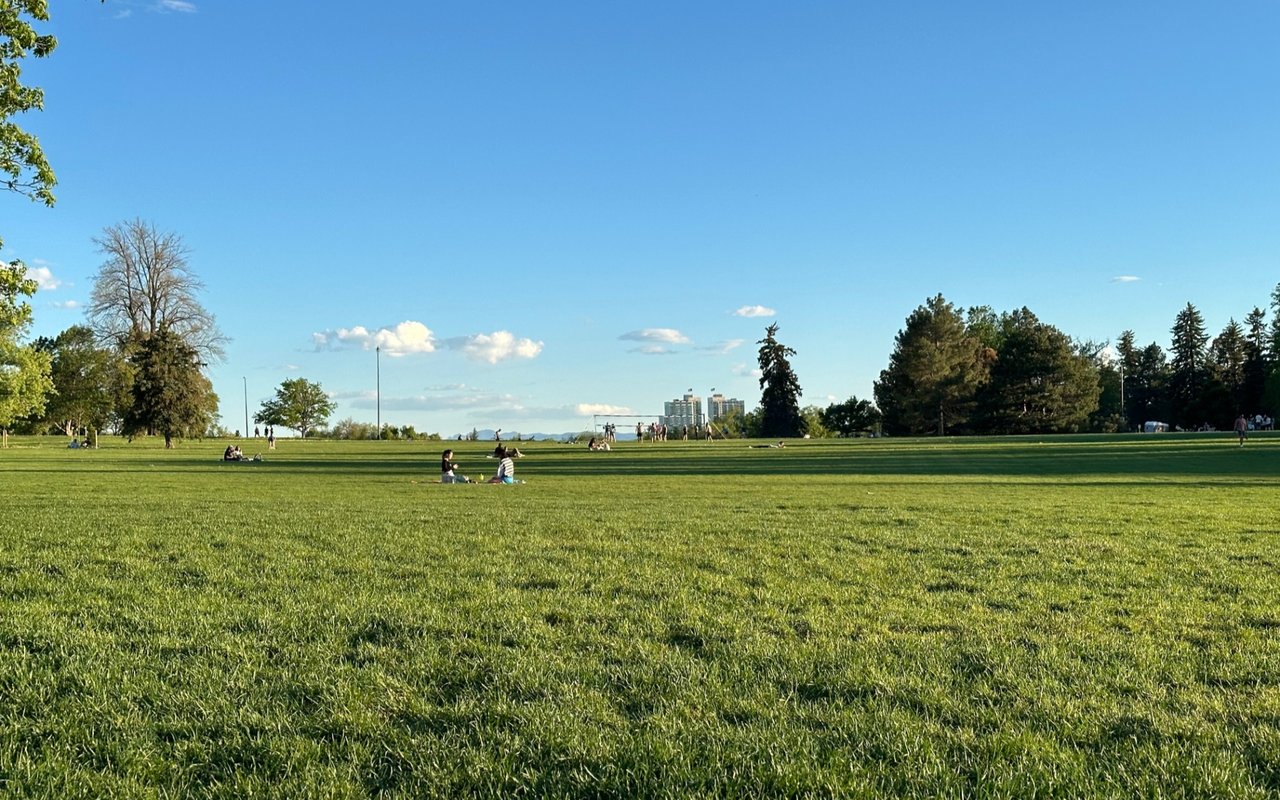 Cheesman Park
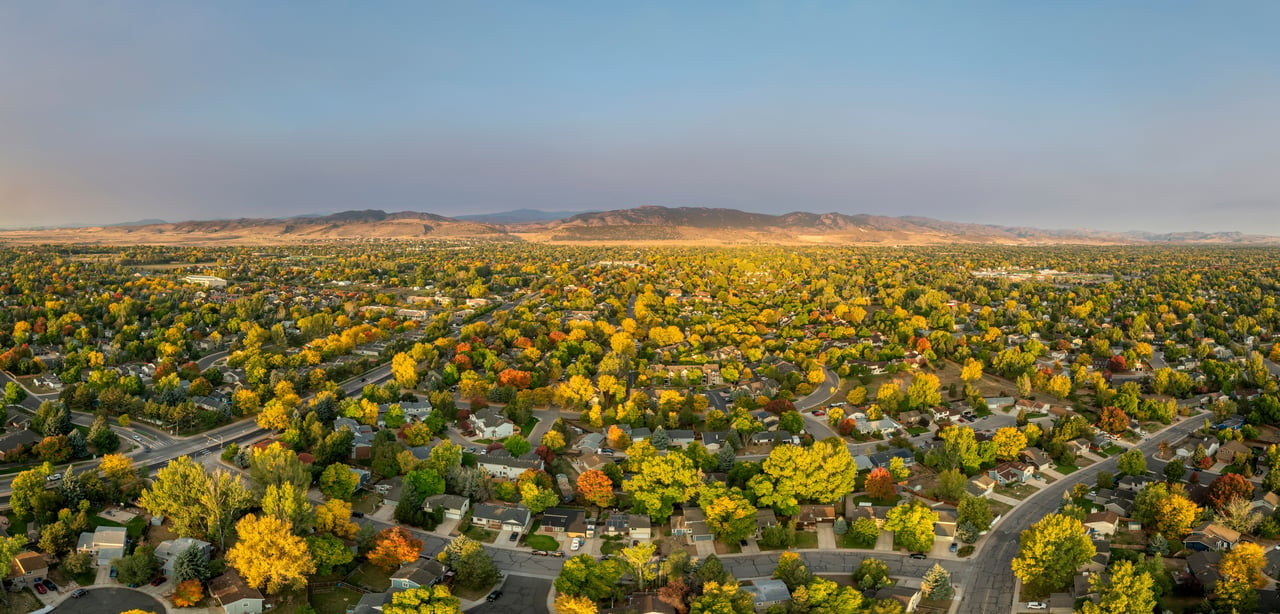 South Broadway (SoBo)
 Highlands Square
 Whittier / Cole
 Lower Highlands (LoHi)
 City Park
 Sloan’s Lake
 Sunnyside
 Berkeley
 Platt Park
 Cherry Creek
 Park Hill
 Central Park
 Downtown Littleton
 Downtown Westminster
 Edgewater
 Leyden Rock/West Arvada
 Wheat Ridge
 Broomfield
 Golden
 Erie
Erie
 Olde Town Arvada
 Morrison
 Parker
 Denver Tech Center (DTC)