
Ever wonder what happens to your money between offer and closing? If you are shopping condos in Capitol Hill or lofts and bungalows in LoHi and RiNo, earnest money is a key piece of the puzzle. It signals to the seller that you are serious, and it can be protected if you build the right safeguards into your contract. In this guide, you will learn what earnest money is, how much is typical in Denver, how contingencies protect your deposit, and how to write a strong offer without taking on unnecessary risk. Let’s dive in.
What earnest money is
Earnest money is a good‑faith deposit you submit after your offer is accepted. It shows the seller you intend to move forward while you complete inspections, loan approval, and other steps. If you close, the deposit is usually applied to your down payment and closing costs.
In Denver, title companies typically hold the deposit in escrow. Handling and refund rules are set by the signed purchase contract and Colorado real estate regulations. The amount you put up can strengthen your offer, but your risk depends on the contingencies and timelines you keep in the contract.
How much to expect in Denver
- In many situations, buyers start around 1 to 3 percent of the purchase price.
- In competitive Denver pockets with multiple offers, it is common to see 3 to 5 percent or more.
- High‑price properties or aggressive strategies can reach 5 to 10 percent.
- For entry‑level condos or lower‑priced bungalows, many offers use a flat amount, often $2,500 to $10,000, depending on price and competition.
What is right for you depends on market conditions, the property type and price, your financing, and what the seller expects. If you are a first‑time buyer, a modest deposit paired with strong protections is often smarter than waiving safeguards.
How contingencies protect your deposit
Contingencies are contract clauses that let you cancel and recover earnest money if certain conditions are not met within set deadlines. Deadlines can be short, so track them carefully.
Inspection contingency
You can inspect the property and ask for repairs or credits. If you cannot reach agreement, you can cancel within the inspection timeline and recover your deposit. For older bungalows, consider inspections that focus on foundation and crawlspace, plumbing, electrical, HVAC, sewer scope, roof, and potential wood‑destroying organisms.
Financing and appraisal
If your lender does not approve your loan within the contract timeline, the financing contingency allows you to terminate and keep your deposit. The appraisal contingency lets you renegotiate or cancel if the appraised value is materially below the contract price, which can matter in fast‑moving areas like LoHi and RiNo.
HOA and condo documents
For condos, you typically receive a period to review HOA governing documents, budgets, insurance, litigation, and any special assessments. If the documents reveal issues you cannot accept, you can object or cancel within the review window.
Title and survey review
You can review title commitments and any survey or improvement location reports. If there are easements or defects that are not acceptable and cannot be cured, you may be able to terminate within the deadline and recover the deposit.
New construction or conversions
If you are considering a newly built condo or a converted loft, review timelines, warranties, and declarations carefully. Make sure the contract covers delivery dates and developer obligations.
Denver nuances for condos and bungalows
Condos in Capitol Hill, LoHi, and RiNo
Use the HOA review to confirm reserves, any planned assessments, rental rules, and insurance coverage. In converted or mixed‑use buildings, check declarations, parking details, and building systems. Some small or older projects may not meet all loan program criteria, so coordinate project review with your lender early.
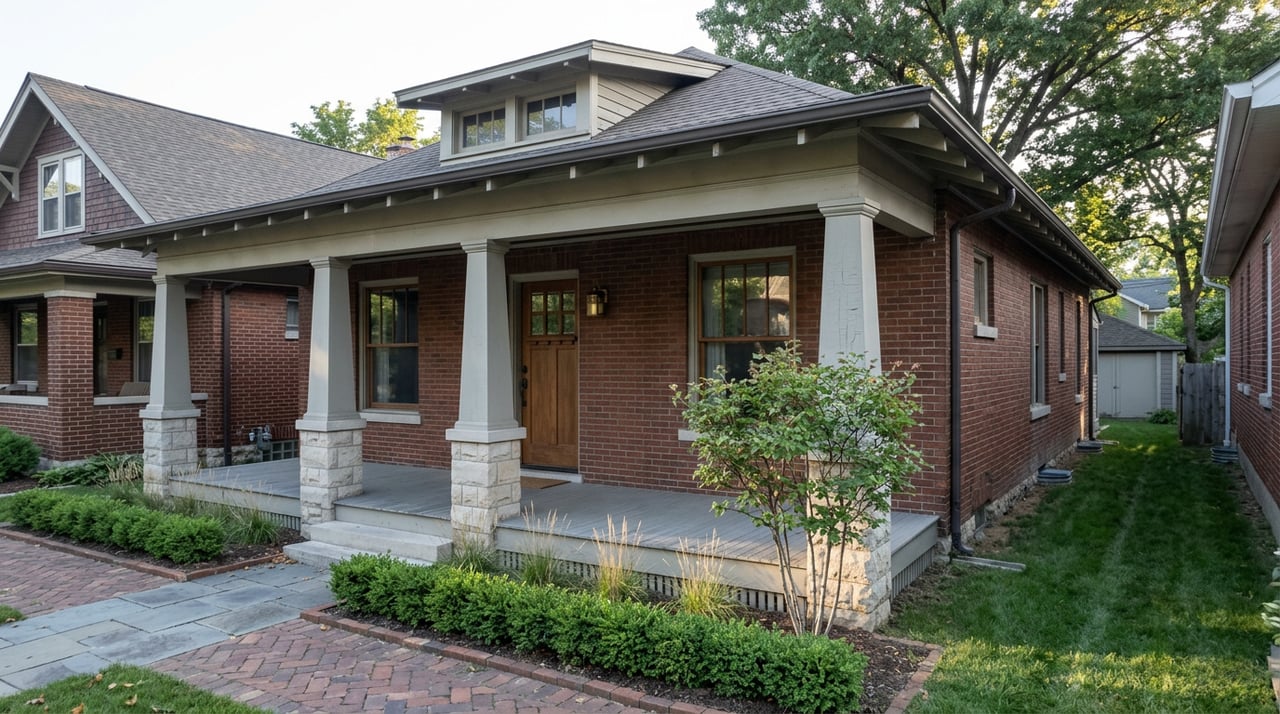
Older bungalows near the urban core
Older homes may have original or outdated systems such as knob‑and‑tube wiring, galvanized plumbing, and older furnaces or roofs. Specialized inspections can help you understand repair scope and costs before your objection deadline. If you plan renovations, research any historic designation or permit rules before you write the offer so your timelines stay realistic.
Strong offers without extra risk
You can write a competitive offer while keeping key protections. Here are practical strategies that work in Denver:
- Keep essential contingencies. If you cannot self‑fund repairs or the purchase, keep inspection and financing. For condos, keep the HOA document review.
- Make the deposit persuasive, not painful. Increase earnest money modestly to stand out. For a mid‑priced condo, moving from $2,500 to $5,000 can strengthen the offer without waiving rights.
- Shorten timelines, not protections. Propose a 5 to 7 day inspection period instead of 10 to 14 days. Line up inspectors and request HOA documents right away to meet shorter windows.
- Use tools that do not add risk. Consider an escalation clause with a clear cap, a flexible closing date, or a short post‑closing occupancy for the seller if needed.
- Consider staged deposits. Start with a smaller initial deposit, then add a second deposit after the inspection period ends, as allowed by the contract.
- Address appraisal gaps thoughtfully. Keep the appraisal contingency, but offer to cover a specific dollar amount if the appraisal comes in low.
- Document everything. Provide proof of funds for the deposit source if asked, and keep wire or cashier’s check confirmations.
If things go wrong
- If you exercise a valid contingency within its deadline, your earnest money is usually refunded or applied to closing per the contract.
- If you miss a deadline and then cancel, the seller may have a claim to the deposit based on the contract’s default terms.
- If the seller cannot perform, such as a title issue that cannot be cured, you can typically terminate and recover the deposit.
- If a dispute arises, the escrow holder will keep funds in escrow until both parties sign a release or a court or tribunal directs disbursement.
First‑time buyer checklist
Before you write an offer:
- Get a full lender pre‑approval.
- Discuss a right‑sized deposit for your price point and neighborhood.
- Decide which contingencies you need to keep.
- Pre‑schedule inspectors so you can hit shorter deadlines.
When you prepare the offer:
- Choose an earnest money amount you can afford if you default, but that shows commitment.
- Set realistic, slightly shorter contingency timelines when competition is high.
- Include your pre‑approval and proof of funds for the deposit.
- Use an escalation clause or flexible closing terms instead of waiving protections.
After you go under contract:
- Deliver the deposit on time and save proof of delivery.
- Calendar all contingency deadlines and start inspections immediately.
- Confirm escrow details with the title company and provide any documents they require.
Buying in Denver should feel confident, not risky. With clear timelines, the right protections, and a deposit that matches the market, you can compete for a condo in Capitol Hill or a bungalow near downtown without losing sleep. If you want a strategy that fits your budget and your goals, our team is here to help.
Ready to put together a winning, protected offer in Denver? Work with Madison + the Kissel Group for guidance that keeps you competitive and covered from offer to close.
FAQs
What is earnest money in Denver and when is it due?
- It is a good‑faith deposit paid after your offer is accepted, held in escrow by a title company, with the due date and handling spelled out in the purchase contract.
Is earnest money refundable in Colorado if I cancel?
- Yes, if you terminate within a valid contingency deadline under the contract; if you miss deadlines or default, the seller may have a claim to the deposit.
How much should a first‑time condo buyer put down for earnest money?
- Many entry‑level condos use flat deposits around $2,500 to $10,000, or 1 to 3 percent of price; in hot competition, some buyers offer 3 to 5 percent to stand out.
Who holds earnest money in Denver transactions?
- Title companies commonly serve as the escrow holder, following the contract’s instructions and Colorado rules for disbursing funds.
Can I lose my earnest money if the appraisal is low?
- If you keep the appraisal contingency and act within the deadline, you can often renegotiate or cancel; waiving or missing that contingency can put your deposit at risk.
How can I make a strong offer without waiving protections?
- Increase your deposit modestly, shorten timelines, include an escalation clause with a cap, and deliver a strong lender pre‑approval while keeping inspection and financing contingencies.