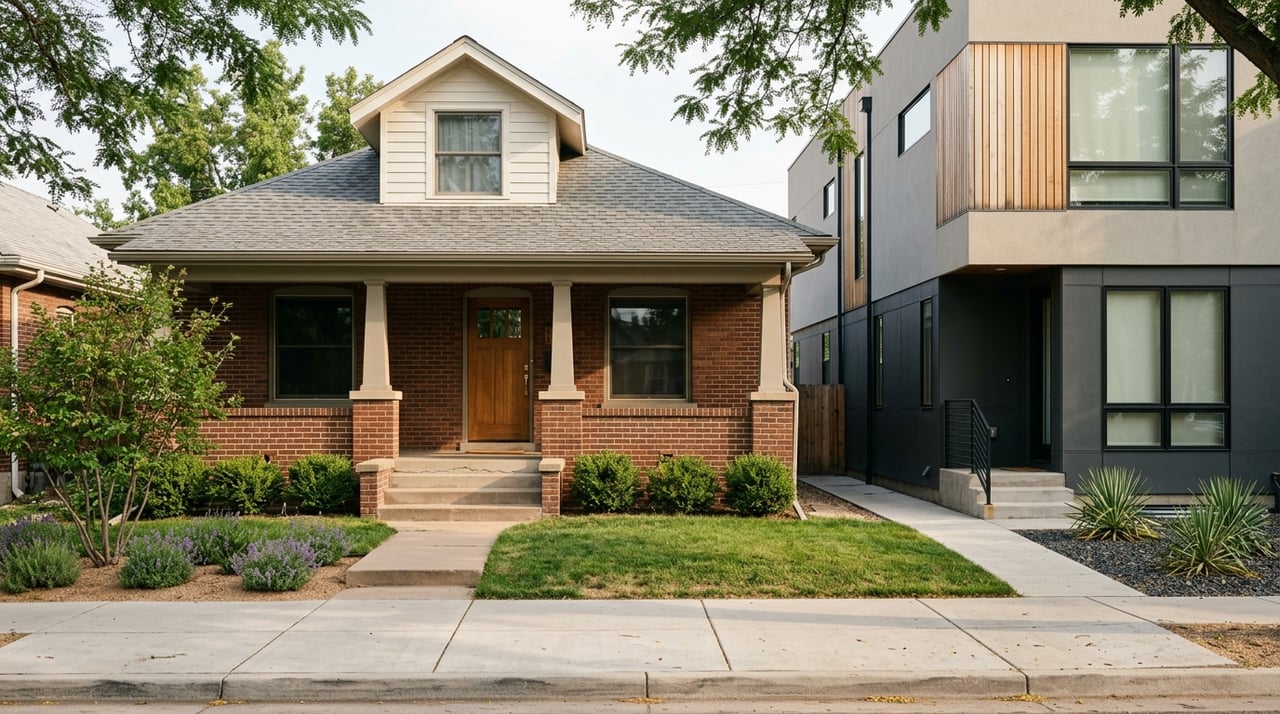
Trying to choose between a classic West Highland bungalow and a newer townhome? You are not alone. In this part of Denver, both options can put you in the same neighborhood, but they often deliver very different day-to-day experiences, costs, and long-term flexibility. If you are weighing charm against convenience, this guide will help you compare the trade-offs with more confidence. Let’s dive in.
West Highland housing at a glance
West Highland sits in northwest Denver and offers a layered housing mix that blends older brick homes with newer attached infill. City landmark documentation for the Wolff Place Historic District points to brick masonry homes, Craftsman bungalows, porches, dormers, and simple ornamentation, while local coverage also describes the neighborhood as a mix of Craftsman bungalows, Victorians, and modern townhomes.
That matters because the right choice in West Highland is rarely about one property type being universally better. It is usually about how you want to live, what kind of maintenance you can handle, and how much flexibility you want over time.
West Highland pricing is not one-size-fits-all
As of April 2026, Realtor.com shows West Highland with a median listing price of $850,000, a median sold price of $815,000, 66 active listings, and 33 median days on market. Zillow places the neighborhood’s average home value at $781,369 as of March 31, 2026.
These numbers are best used as a range, not an exact price point. Different platforms calculate value in different ways, and in West Highland, bungalows and townhomes can overlap more than many buyers expect.
A current bungalow example is listed at $925,000, while active townhome listings range from about $485,000 to $1.3 million. In other words, you should compare the actual home in front of you, not assume the property type alone tells you the value.
What defines a West Highland bungalow
Bungalows bring character and a detached feel
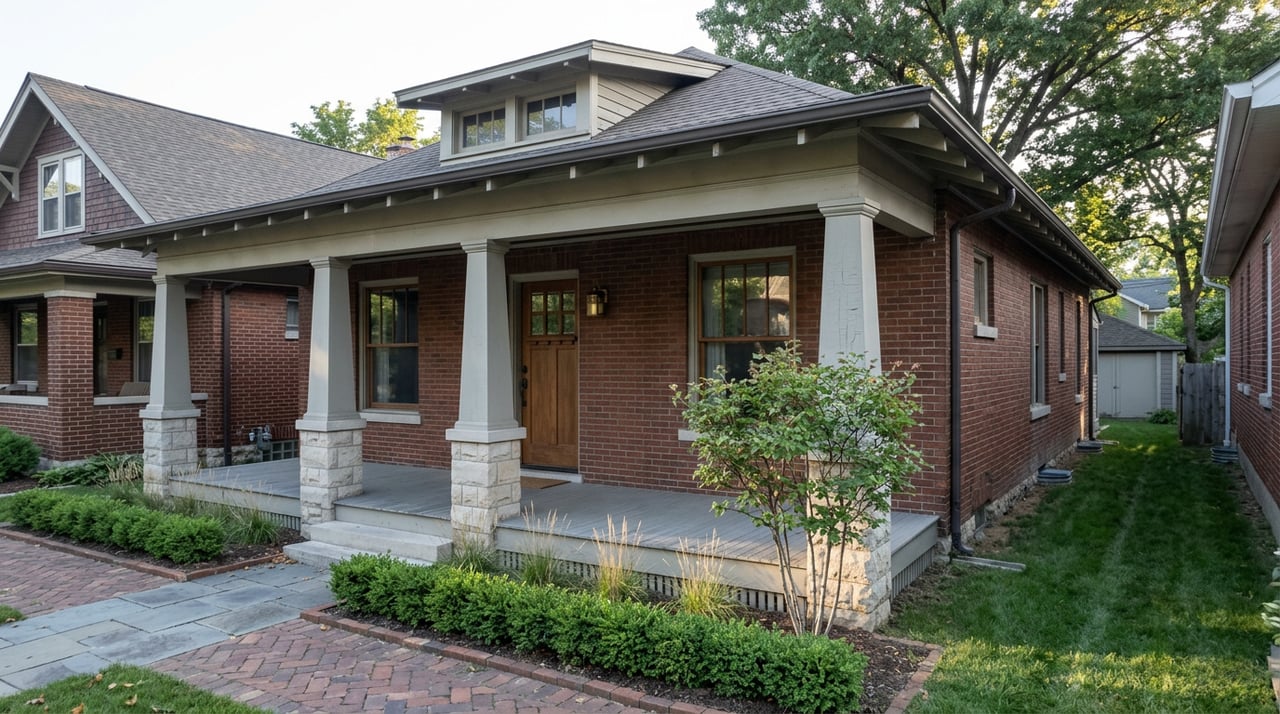
When buyers talk about a West Highland bungalow, they usually mean an older single-family home with architectural character and a traditional detached layout. In the Wolff Place district, the city describes Craftsman bungalows as having masonry porches, large overhanging eaves, dormers, and simpler ornamentation.
That classic look is a big part of the appeal. If you love original details, a yard, and the feeling of a standalone home, a bungalow often checks those boxes in a way attached housing does not.
Bungalows often have older layouts
Many West Highland bungalows follow a main-floor-plus-basement living pattern. Current examples in the neighborhood include homes from 1912 and 1925 with around 1,678 to 1,762 square feet, with bedrooms on the main level and finished lower-level space.
That layout can work well if you want extra room for guests, hobbies, or storage. At the same time, older floor plans may feel less open than newer construction, so it helps to think carefully about how you live day to day.
Bungalows usually mean more owner responsibility
Because bungalows are single-family homes, you are generally responsible for repairs, upkeep, and property taxes tied to the home. Older homes can also need more attention over time, especially when it comes to insulation, heating systems, and larger capital repairs.
That does not make a bungalow a bad choice. It simply means you should budget for maintenance and evaluate the condition of the systems, not just the curb appeal.
What defines a West Highland townhome
Townhomes offer a lower-maintenance option
A West Highland townhome usually appeals to buyers who want a more compact footprint and less exterior maintenance. Current active townhome inventory in the neighborhood includes units from roughly 1,073 to 3,550 square feet, with asking prices ranging from $485,000 to $1.3 million.
That range shows how varied this category can be. Some townhomes are entry-level by West Highland standards, while others compete with higher-end detached homes on price and finish level.
Townhomes often include shared walls and HOA structure
Compared with detached homes, townhomes commonly share at least one wall with a neighboring unit. In some cases, systems may also be more interconnected, which can affect privacy and customization.
Many townhomes also come with a homeowners association. HOA dues often help cover landscaping, routine maintenance, common-area upkeep, reserves, and sometimes shared amenities.
HOAs can simplify life but add rules
For many buyers, the appeal of a townhome is simple: fewer owner-managed maintenance tasks. If you travel often, prefer a lock-and-leave setup, or do not want to manage as much exterior work, that can be a major advantage.
Still, HOA living comes with trade-offs. Associations may regulate parking, pets, exterior changes, and landscaping, and they may issue special assessments for major projects or emergencies. Since Denver does not regulate HOA bylaws, it is important to review the documents carefully before you buy.
Bungalow versus townhome in daily life
Privacy and outdoor space
If privacy is high on your list, a bungalow usually has the edge. Detached single-family homes typically offer their own yard, no shared walls, and more separation from neighbors.
A townhome may still give you useful outdoor space, but it is often more limited. If your ideal weekend includes gardening, hosting outside, or simply having more breathing room, a bungalow may feel like a better fit.
Maintenance and time commitment
If you want less day-to-day upkeep, a townhome often wins. Exterior care is commonly handled in part through the HOA, which can save time and reduce the number of maintenance tasks you manage yourself.
A bungalow gives you more control, but also more responsibility. You may be coordinating repairs, budgeting for updates, and planning for system replacements on your own timeline.
Layout and flexibility
Bungalows often attract buyers who want to personalize a home over time. Because they are detached and sit on their own lots, they can offer more freedom for future changes, depending on zoning, lot size, and any district-specific rules.
Townhomes can offer efficient, modern layouts and strong interior finishes, but usually with less flexibility for exterior changes. If customization matters a lot to you, that difference is worth weighing early.
Long-term value factors to watch
Historic district status matters
Some West Highland blocks fall within historic districts. Denver notes that properties within a historic district are subject to design review, which can shape what you can change on the exterior.
That is not necessarily a drawback. For many buyers, historic context is part of the neighborhood’s appeal. It does mean you should confirm whether a specific home is in a district before making plans for renovations or additions.
ADU potential can add flexibility
Denver’s citywide ADU update now allows ADUs in all residential areas, and West Highland had a neighborhood-wide ADU rezoning in 2022 that extended ADU rights to 3,281 properties. On the right lot, that can create useful long-term optionality.
For bungalow buyers, this is one of the biggest strategic advantages to explore. Still, ADU potential depends on lot configuration, zoning details, and whether historic district review applies.
HOA health is central for townhomes
If you are considering a townhome, the monthly dues are only part of the picture. Reserve funding, special-assessment history, maintenance responsibilities, and the association’s rules can all affect your ownership experience and future resale.
A beautiful unit in a well-located part of West Highland can still come with hidden friction if the HOA is underfunded or overly restrictive. This is one area where careful document review really matters.
How to choose the right fit
The easiest way to decide is to focus on your lifestyle, not just the architecture. Ask yourself what you want most from your next home.
A bungalow may be the better fit if you want:
- More privacy
- A detached home and yard
- Architectural character
- More room to personalize over time
- Possible long-term lot flexibility
A townhome may be the better fit if you want:
- Less exterior maintenance
- A more lock-and-leave lifestyle
- A newer layout or finishes
- A smaller footprint to manage
- Comfort with HOA dues and rules
In West Highland, there is real price overlap between the two categories. That is why the smartest comparison is not bungalow versus townhome in the abstract. It is one specific home versus another, with square footage, condition, lot size, parking, dues, and future flexibility all on the table.
What to review before you buy
Before you move forward on either property type, pay close attention to the details that affect long-term satisfaction.
For bungalows, review:
- Age and condition of major systems
- Insulation and energy efficiency updates
- Historic district status
- Lot layout and ADU eligibility
- Basement condition and usable space
For townhomes, review:
- Monthly HOA dues
- Reserve funding
- Special-assessment history
- Exterior maintenance responsibilities
- Rules on pets, parking, and modifications
These are the issues that often matter more than the label itself. A fully updated bungalow may feel easier than an older townhome with a weak HOA, while a well-run townhome community may be a far better fit than a charming house that needs major systems work.
If you are trying to sort through West Highland options, the best next step is to compare homes through the lens of your budget, time, and long-term plans. The team at Kissel Group can help you weigh the trade-offs, spot the details that matter, and choose a home that fits the way you actually want to live.
FAQs
What is the main difference between a West Highland bungalow and a townhome?
- A West Highland bungalow is usually a detached older single-family home with more character, yard space, and flexibility, while a townhome is typically attached housing with less exterior maintenance and more HOA structure.
Are West Highland townhomes always cheaper than bungalows?
- No. West Highland townhomes currently range from about $485,000 to $1.3 million, while bungalow pricing can overlap with that range, so you should compare each home on its own features and costs.
Do West Highland bungalows usually need more maintenance?
- Often, yes. Many bungalows are older homes, which can mean more upkeep related to insulation, heating systems, and periodic repairs, especially if updates have been limited.
What should buyers review before buying a West Highland townhome?
- Buyers should closely review HOA dues, reserve funding, special-assessment history, maintenance responsibilities, and rules that may affect pets, parking, or exterior changes.
Can a West Highland bungalow have ADU potential?
- It can, depending on the property. Denver now allows ADUs in all residential areas, but lot configuration, zoning details, and any historic district design review still matter.
Do historic district rules affect West Highland homes?
- Yes, for homes located within a historic district. Denver states that properties in historic districts are subject to design review, which can affect exterior changes and future projects.