You love the energy of Downtown Denver, but you also want the right long-term fit for your budget and lifestyle. Should you buy a condo with instant walkability and amenities, or a house with more space and control? The answer comes down to total monthly cost, financing options, and how you plan to live day to day. In this guide, you’ll learn how to compare costs beyond list price, what to check in a condo’s HOA, where each option shines, and how to make a confident call. Let’s dive in.
Market snapshot: what to know now
Pricing in the downtown core can swing month to month because the area is small and high density. For a recent anchor point, the Denver Metro Association of REALTORS® reported a median closed price around $591,500 in ZIP 80202 for Q1 2025. You can review the Downtown and LoDo figures in the DMAR zip code report for added context. See the 80202 median in DMAR’s report.
County-wide, price gaps show why many urban buyers start with condos and townhomes. As of January 2026, Denver County’s median single-family price was near $630,000 while the median townhouse and condo price was near $420,000. Those medians are a helpful starting point when comparing affordability across property types. View the Denver County medians in CAR’s update.
Local reporting has also highlighted softer conditions and higher inventory in the condo and townhome segment compared with detached homes. Buyers are paying closer attention to HOA dues, special assessments, and project financing status because those factors affect both monthly affordability and resale. Read the Colorado Sun’s coverage on HOA and condo dynamics.
Condo vs house: the core tradeoffs
Condos: affordability, convenience, and HOA reality
Condos often give you the lowest purchase price entry into central Denver. Many downtown buildings include amenities like fitness rooms, lounges, and concierge, and the HOA typically covers exterior maintenance, common areas, trash, snow removal, and elevator service. You will carry an HOA fee on top of your mortgage, taxes, and insurance, and fees vary widely by building and unit size. Owners usually carry an HO‑6 policy to cover interior finishes and personal property.
Financing is project dependent. Some buildings are eligible for conventional conforming loans, and others are considered non-warrantable, which can limit lender options and require different terms. Confirm condo project eligibility with your lender early. Learn how lenders review condo projects with Fannie Mae’s CPM.
Condos fit best if you value a lock and leave lifestyle, high walkability, and less personal time spent on maintenance. Tradeoffs include less private outdoor space and potential assessment risk if the HOA needs major repairs.
Townhomes: a hybrid middle ground
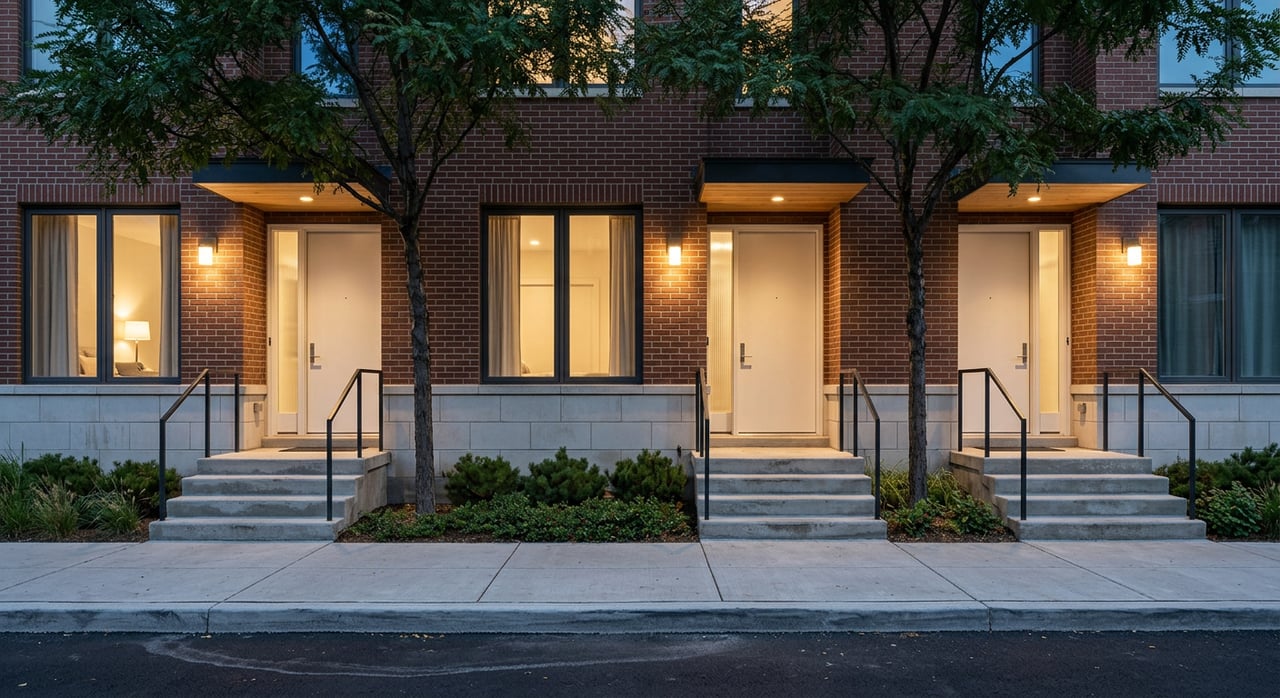
Townhomes can offer more space and a private entry with some shared maintenance. Many are fee simple, which can simplify financing compared with a true condo, though some townhome-style communities are legally condominiums. Always confirm the legal status and whether condo project eligibility rules apply.
Single-family homes: space and control
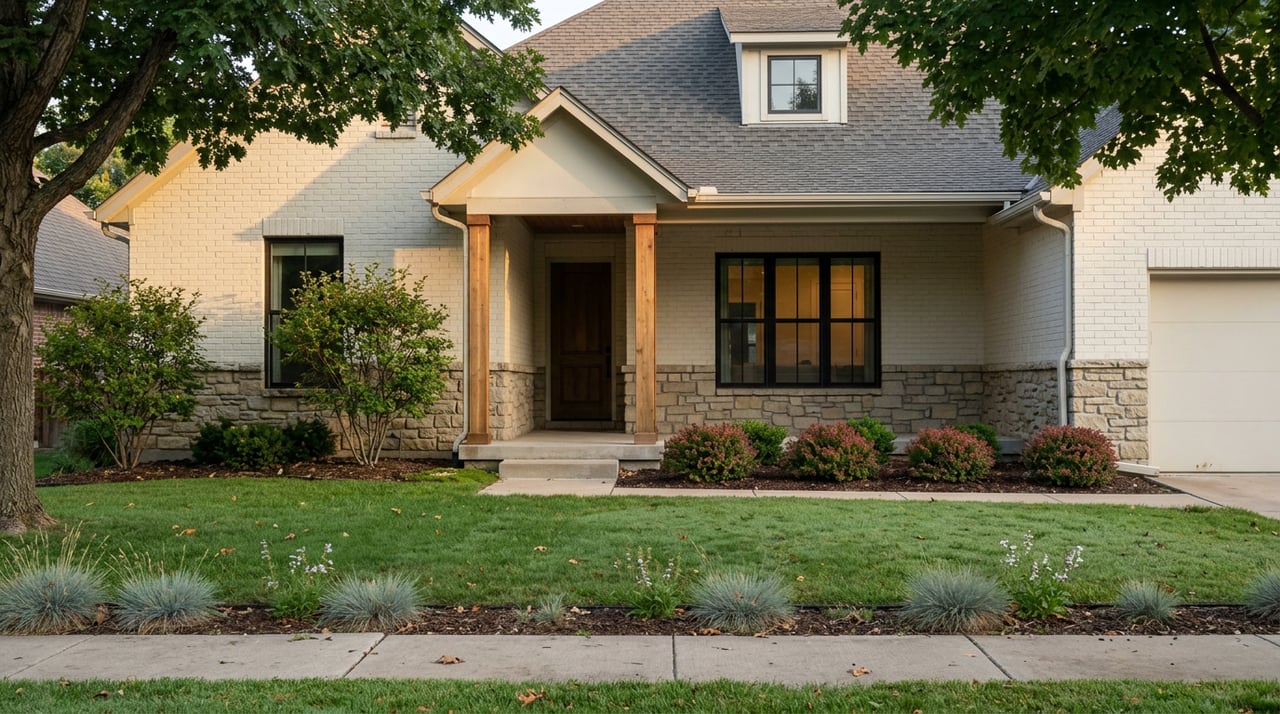
Detached homes near the core are fewer and often carry a premium, but you gain more square footage, private outdoor space, and full control over improvements. You also avoid large building HOAs in many cases. Maintenance costs can be higher and less predictable, yet houses often appeal to a broader resale buyer pool across different market cycles.
Location and lifestyle essentials
Walkability and transit access
Downtown’s core is among the city’s most walkable areas, which is a prime reason many buyers choose condos. You can review the neighborhood’s high walkability profile here. Check Walk Score for the downtown core.
Union Station anchors multiple RTD light-rail and commuter lines, along with bus and shuttle connections. The frequent 16th Street FreeRide shuttle links Union Station with Civic Center, which makes going car light much more practical. See RTD’s Union Station overview.
Parking and moving logistics
In full-service high-rises, parking is common but not guaranteed, and stalls may be deeded or leased separately. Guest parking, elevator reservations, and move-in fees can all affect your experience and monthly costs. Confirm what is included in your purchase and what requires a separate fee.
Short-term rentals and leasing rules
If you plan to rent out your property, know that Denver requires a short-term rental license and generally limits STRs to your primary residence. HOA rules are an added layer on top of city regulations, and many buildings restrict short stays. Verify both city licensing and HOA restrictions early. Review Denver’s STR licensing guidance.
Neighborhood options to compare
Downtown and LoDo
You’ll find historic warehouse lofts and newer high-rise condos near Union Station and Coors Field. Unit sizes and prices vary widely, from compact studios to premium penthouses, with location and views influencing price per square foot.
Ballpark, RiNo, and Five Points
These close-in neighborhoods mix loft-style condos, newer condo buildings, and townhomes. Development has been active, which means prices and product types can change quickly. Expect variation by block and building.
Golden Triangle, Civic Center, and Capitol Hill
These areas offer boutique condo buildings, mid-rises, and some older single-family homes. If you want cultural institutions and smaller-scale buildings, this cluster is worth a look.
LoHi, Highlands, Sloan’s Lake, and Uptown
A short drive or bike ride from downtown, these neighborhoods tend to offer more townhomes and detached homes than the CBD. They can be good targets if you want space but still want easy access to the core.
Cherry Creek
East of downtown, Cherry Creek pairs high-end condos with luxury single-family homes and premium retail. Many buyers weigh a downtown condo against a Cherry Creek option when comparing walkable, amenity-rich living.
Compare total monthly cost, not just price
List price is only part of the story. Build your monthly picture before you commit:
- Mortgage principal and interest
- Property taxes
- Homeowners insurance or HO‑6 policy
- HOA dues and any building-specific fees
- Utilities not covered by the HOA
- Parking, storage, and move-in fees where applicable
In Colorado, property taxes can change with assessment rates and mill levies, so check the parcel-level estimate rather than relying on rough percentage rules. Use this primer to understand how Colorado property taxes are calculated. A condo with a lower purchase price can still cost more per month than a small house if HOA dues are high.
Financing and resale checks for condos
If a condo is on your shortlist, take these steps before you waive contingencies:
- Ask your lender to run a condo project review early to confirm whether the building is warrantable for conventional loans. This can affect interest rates, down payments, and your future buyer pool. See Fannie Mae’s Condo Project Manager overview.
- Order the full HOA resale or estoppel package early. Review the budget, reserve study, financials, insurance certificate, rules, board minutes, assessments, and delinquency reports. Colorado associations must provide certain resale materials within set timelines. Find HOA buyer resources from the Colorado Division of Real Estate.
- Verify rental rules. Confirm the HOA’s lease terms and align them with city licensing if you plan to rent at any point.
- Review the building’s insurance and your HO‑6 coverage. Understand master policy deductibles and whether it is walls-in or walls-out.
- For FHA or VA buyers, check whether the project has active approval. Use HUD’s condo lookup tool.
Healthy reserves, transparent governance, strong owner-occupancy, and a clean litigation history often translate to easier financing and better resale.
Decision guide: choose what fits your life
- Pick a condo if you want maximum walkability, on-site amenities, and minimal personal maintenance, and you are comfortable with HOA rules and fees.
- Pick a townhome if you want more space and a private entry, with some shared maintenance and potentially simpler financing than a condo project.
- Pick a single-family home if you want a yard, more control over improvements, and broad resale appeal, and you are prepared for variable maintenance costs and a higher purchase price near the core.
Your time horizon matters. If you expect to sell in a few years, financing eligibility and HOA health can be as important as finishes or views. If you plan to stay long term, daily lifestyle and control over improvements may outweigh monthly fee differences.
Next steps
You do not have to figure this out alone. We’ll help you model total monthly costs across specific buildings and blocks, confirm financing paths, and pressure test HOA health so you can buy with confidence. When you are ready to compare options side by side or tour neighborhoods that match your goals, reach out to the Kissel Group for a friendly, data-backed game plan.
FAQs
What are current median prices in Downtown Denver?
- DMAR’s Q1 2025 report shows the 80202 median closed price around $591,500, while Denver County medians in January 2026 were about $630,000 for single-family homes and $420,000 for townhouses and condos.
How much are typical HOA dues downtown?
- Expect a wide range. Many buildings fall from the low $300s per month to more than $1,200 per month depending on unit size, amenities, and what is included, so confirm dues and any building-specific fees before you compare monthly costs.
Why does condo warrantability matter for buyers?
- If a project is non-warrantable, conventional conforming loans may not be available, which can raise costs and limit your future buyer pool. Ask your lender to review the building early and plan your loan strategy accordingly.
Can I Airbnb a downtown condo or house?
- Denver generally limits short-term rentals to your primary residence and requires a license, and many HOAs restrict short stays. Verify both city rules and HOA policies before you plan on STR income.
What documents should I review in a condo purchase?
- Request the full HOA resale package early, including budget, reserve study, financials, insurance certificate, rules, board minutes, assessments, and delinquency reports, and review them before waiving contingencies.
Is parking included with downtown condos?
- Often parking is deeded or leased separately, with guest policies and move-in fees that vary by building. Confirm stall ownership, monthly costs, and building logistics in writing during due diligence.