
Thinking about trading city buzz for more space, trails, and a small‑town main street feel? If you’re weighing a move southeast of Denver, Parker could be a strong match. You get suburban comfort, access to regional job centers, and a network of parks and recreation that’s easy to love. In this guide, you’ll quickly size up commute realities, housing options, schools, taxes and metro districts, plus a practical checklist to decide if Parker fits your lifestyle and budget. Let’s dive in.
Quick snapshot: what to know first
- Location and access: Parker sits about 23 to 25 miles from downtown Denver. Off‑peak drives can run around 30 minutes, and peak times can stretch to 45 to 70 minutes depending on route and traffic. You can compare typical drive times with a quick check on Travelmath’s Parker to Denver calculator. Many residents use E‑470 for more reliable trips and fast access to DIA.
- Community scale: According to U.S. Census QuickFacts, Parker’s population is about 65,000 and growing, with a suburban layout and a mix of newer master‑planned areas and established neighborhoods.
- Outdoor lifestyle: You’ll find an extensive trail system, open spaces, and year‑round programs through Parker Parks & Recreation.
- Schools: Most Parker addresses fall under Douglas County School District RE‑1. Because assignments and performance vary by address, verify details through the state’s Colorado SchoolView portal.
Market note: Recent market indices often place Parker’s median home values in the mid to high $600s. Always confirm live numbers with current MLS data at the time you shop since medians and days on market change month to month.
Is Parker a fit for you? Start with this self‑check
- Space and yard matter more than a shorter commute.
- You’re comfortable driving most days and using E‑470 as needed.
- You want access to parks, trails, and community amenities close to home.
- You plan to verify school assignment by address.
- You’re ready to understand metro district taxes vs. HOA dues before you buy.
- You might want an acreage setting and will check well, septic, and fire mitigation requirements.
If most of these sound like you, Parker deserves a closer look.
Commute and daily logistics
Getting to Denver and the DTC
Parker has three main commuting paths: CO‑83/Parker Road, Lincoln Avenue to I‑25, and E‑470 for more consistent trips and DIA access. Off‑peak drives to downtown can be around 30 minutes. Peak windows often stretch to 45 to 70 minutes depending on weather, incidents, and route. Try your exact commute during rush hour and on weekends to set realistic expectations.
Transit options in Parker
Parker is within RTD’s regional service area, with commuter bus routes and park‑and‑ride options to downtown and to light‑rail connections. There is no fixed‑rail station in Parker itself, so most daily commutes remain car‑dominant. Before you decide, check routes and schedules for your exact address on the town’s Public Transportation page.
Everyday convenience
Within town, the parks, trails, Recreation Center, and Fieldhouse reduce driving for kids’ activities and fitness. The connected trail network is a plus for running, biking, and quick neighborhood errands. You can preview the system on Parker Parks & Recreation.
Housing choices by lifestyle
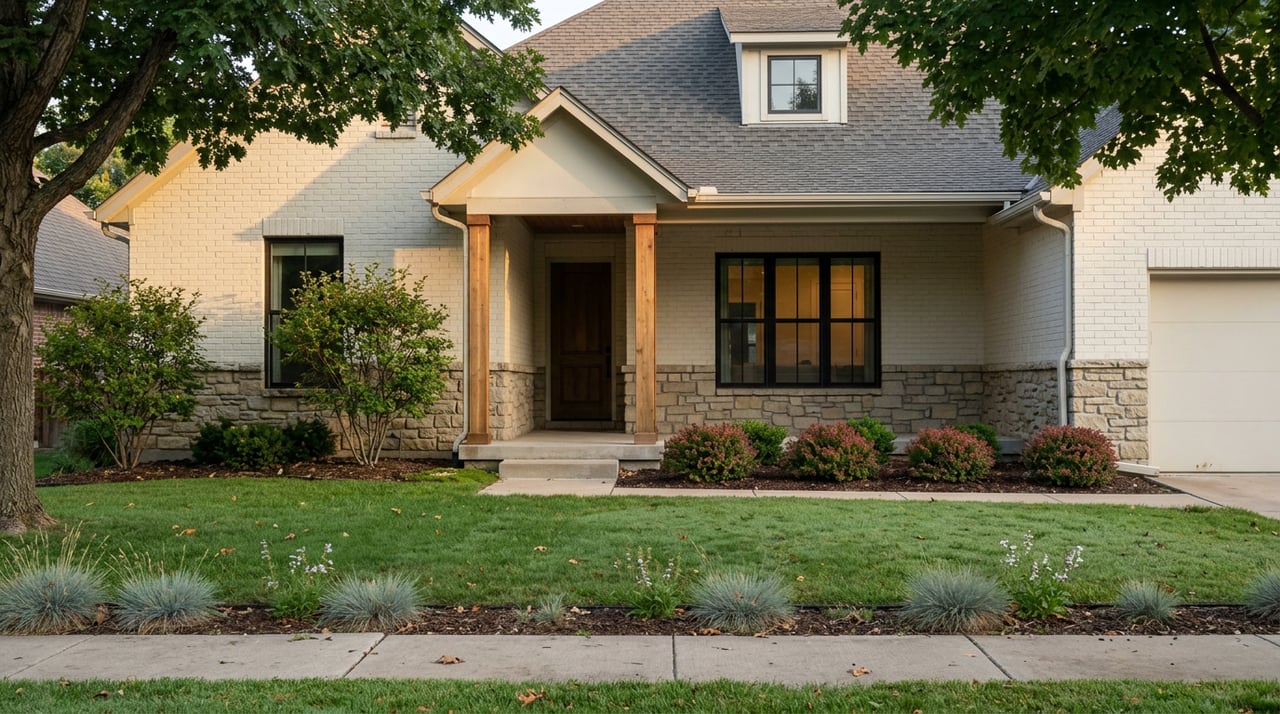
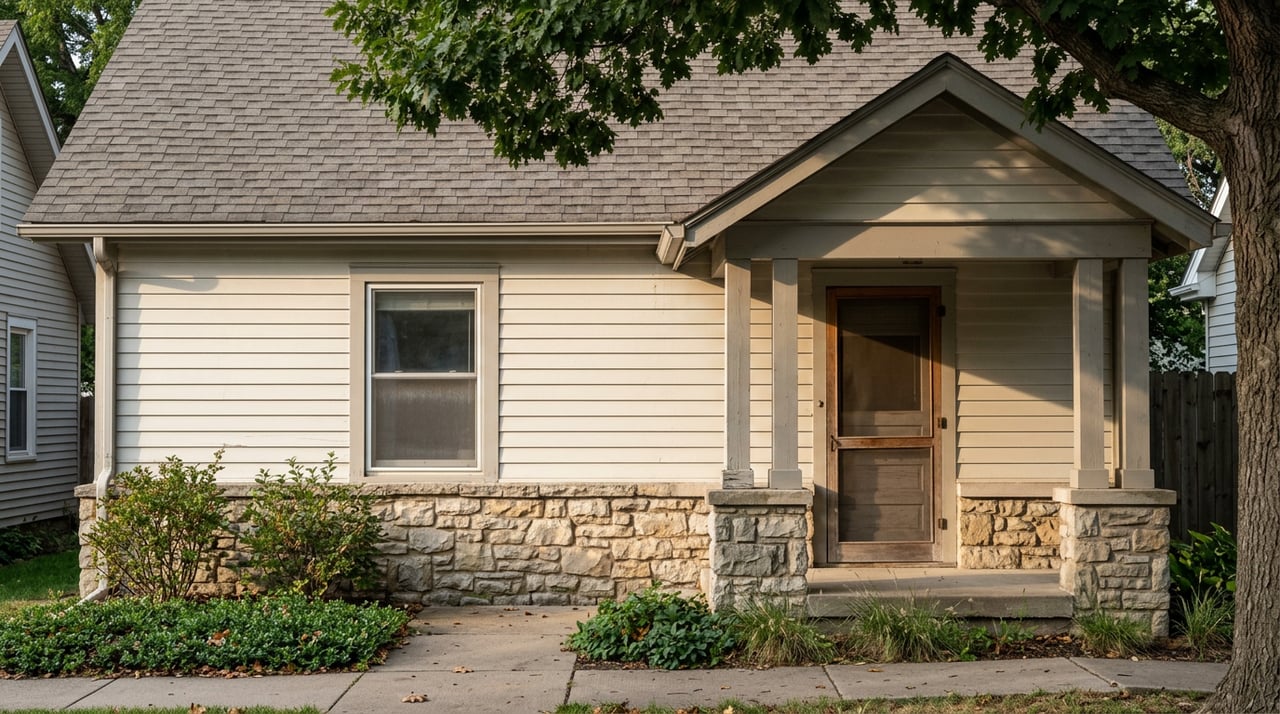
Parker is not one look or one price point. You’ll see entry‑level attached homes, classic single‑family neighborhoods with mature trees, new construction with modern amenities, and acreage properties with a pine‑studded backdrop.
Old Town Parker and Mainstreet
If a small‑town center appeals to you, focus near Mainstreet and the PACE Center area. You’ll be close to seasonal events, farmers markets, and local shops. Housing options nearby range from townhomes and smaller lots to established single‑family homes. This area suits buyers who value walkability to community events while keeping a suburban feel.
Established family neighborhoods: Stroh Ranch and Stonegate
These neighborhoods offer mature parks, community pools and clubhouses, and many resale options. Expect a range of single‑family homes with practical floor plans and access to established amenities. If you prefer predictability in neighborhood character, these pockets often feel “settled” and community‑oriented.
Newer master‑planned options: Hess Ranch, Anthology and more
If you want newer designs, builder warranties, and modern finishes, explore active master‑planned communities. You may see clubhouses, pools, playgrounds, and neighborhood retail integrated into the plan. Many of these areas are financed by metro districts that levy a property tax mill to pay for roads, water, sewer, parks, and operations. That mill rate can add to your total annual taxes, especially early in a community’s life. Ask for the district’s Service Plan, current budget, and debt schedule to understand long‑term costs.
The Pinery and nearby acreage
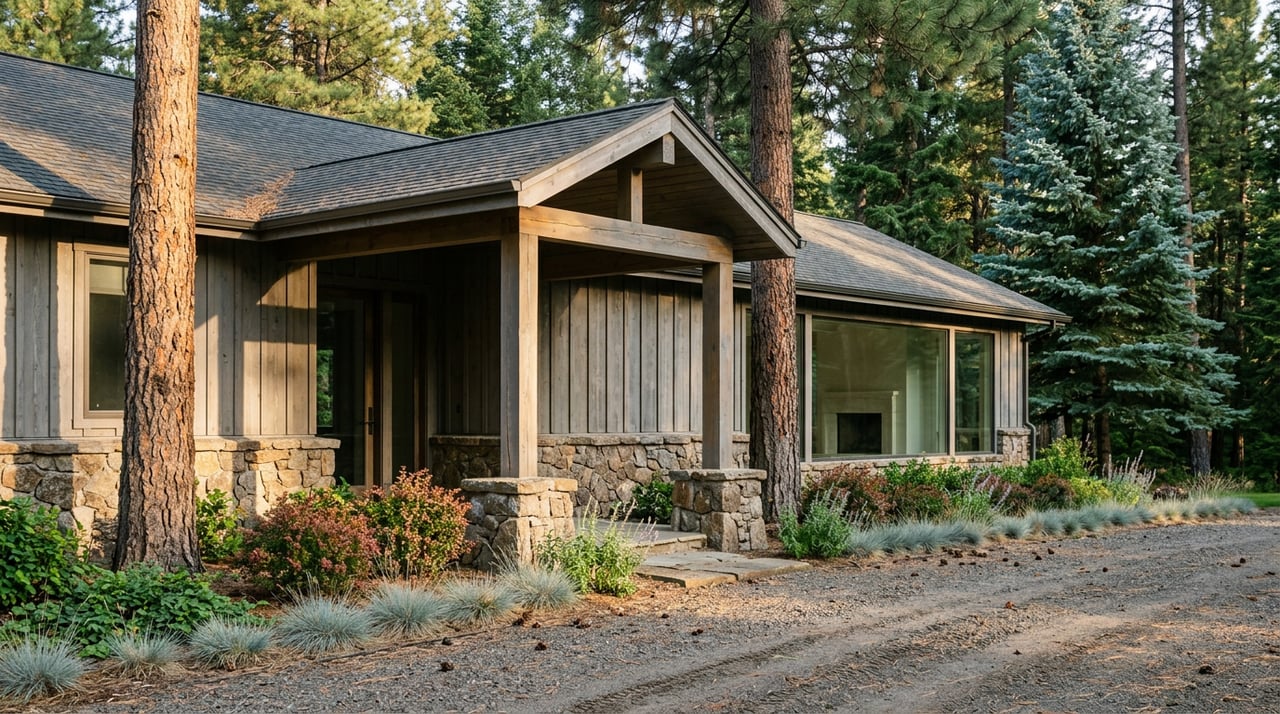
For more privacy or space for outbuildings, The Pinery and nearby unincorporated pockets offer larger lots and a forested setting. Acreage living can involve different utility arrangements and maintenance responsibilities. Before you buy, confirm water source, wastewater system, road or driveway maintenance, and fire mitigation expectations. The local HOA’s site is a helpful starting point for how services work in the area. Learn more at The Pinery HOA.
Understanding taxes, HOAs, and metro districts
Getting your carrying costs right is key. Here’s how to frame it.
Property taxes in Colorado for 2025
Starting with the 2025 tax rules, Colorado applies two residential assessment rates. One rate applies to school district taxes and a different rate applies to other local governments. The Colorado Division of Property Taxation currently projects residential assessment rates around 7.05 percent for schools and 6.25 percent for other local governments. These figures can shift based on statewide factors and legislation. See the state’s plain‑English guide, Understanding Property Taxes in Colorado, and the enabling bill, HB24B‑1001, for details.
Simple example: If your county assessor’s actual value is $700,000, the taxable assessed values would be calculated separately using the two assessment rates for the portions of your bill that fund schools versus other local governments, then multiplied by each entity’s mill levy. Because mills vary by property and metro district, you should pull a sample tax bill for the exact parcel before you commit.
Metro districts vs. HOAs
- HOAs are private associations. You pay dues for things like common‑area maintenance, pools, or trash. Dues are set by the HOA budget and CC&Rs.
- Metro districts are public entities under Colorado law. Many master‑planned neighborhoods use them to finance roads, water, sewer, and parks. They collect money through property tax mill levies that appear on your annual tax bill.
Before you go under contract, request the Special District Disclosure, the district’s Service Plan, current budget, and debt schedule. Colorado’s Division of Local Government maintains guidance and calendars for special district transparency. Use that as a roadmap for what to review at DOLA’s special district resources.
Pro tip: Compare total annual property taxes across the homes you like. Two similar homes a few blocks apart can have different metro district mills and very different long‑term costs.
Market conditions and how to shop smart
Parker is a collection of micro‑markets. Days on market, pricing, and seller flexibility vary by subdivision, school assignment, condition, and whether the home is new construction or resale.
- In new construction communities, you may see incentives, rate buydowns, and design credits that change seasonally. Always weigh them against the long‑term metro district tax load.
- In established neighborhoods, well‑prepared listings in move‑in condition can still draw strong interest. Homes that need updates can offer room to negotiate.
- Rely on live, neighborhood‑level data. Ask your agent for current median sale price, days to contract, and list‑to‑sale ratios for the specific pockets you’re targeting.
Buyer checklist for Parker
Use this list to make a confident decision.
- Drive your commute at peak and off‑peak times using your exact route options: CO‑83/Parker Road, Lincoln Avenue to I‑25, or E‑470.
- Confirm school assignment by street address through Douglas County RE‑1 or the state’s Colorado SchoolView portal.
- Request the Special District Disclosure package, Service Plan, current budget, and debt schedule. Use DOLA’s special district guidance to understand what to look for.
- Pull a recent sample tax bill for the parcel and estimate total annual property taxes with the 2025 framework. The state’s overview is here: Understanding Property Taxes in Colorado.
- For acreage: verify water source, wastewater system, driveway or road maintenance, building setbacks, and fire mitigation requirements. Start with local contacts listed on The Pinery HOA site.
- Review HOA budgets, reserve studies if available, and recent dues changes. Ask whether amenities are complete or still planned.
- Walk the parks and trail connections near each home. Explore options on Parker Parks & Recreation.
Ready to explore Parker homes?
If the balance of space, trails, and suburban convenience sounds right, let’s map your path. Our team will help you compare neighborhoods, decode metro district and tax details, and negotiate with confidence using live, local data. Start your Parker search with the Kissel Group.
FAQs
How far is Parker from Denver, and what’s the commute like?
- Parker is about 23 to 25 miles from downtown Denver. Off‑peak drives can be around 30 minutes, while peak times can stretch to 45 to 70 minutes depending on route and traffic. You can sanity‑check timing with Travelmath’s tool.
Does Parker have light‑rail service for commuters?
- Parker does not have a rail station. RTD provides regional bus and park‑and‑ride options that connect to downtown and light‑rail lines. Verify exact routes and schedules on the town’s Public Transportation page.
What are metro districts, and how do they affect my payment?
- Metro districts are public entities that finance neighborhood infrastructure and collect property tax mills. Those mills show up on your tax bill and can vary widely. Review the district’s Service Plan, current budget, and debt schedule, and compare total annual taxes across homes. Use DOLA’s guidance as a reference.
Are there acreage properties in Parker, and what should I check?
- Yes. In areas like The Pinery and nearby unincorporated pockets, verify water source, wastewater system, road or driveway maintenance, and fire mitigation requirements. The local HOA’s site, The Pinery HOA, offers a useful overview and contacts.
How will Colorado’s 2025 property tax changes impact me?
- Colorado applies two residential assessment rates for 2025: one for school taxes and one for other local governments. See the state’s guide, Understanding Property Taxes in Colorado, and the law, HB24B‑1001. Always estimate using your parcel’s actual value and local mills.