Trying to decide between Central Park and Park Hill for your next Denver home? You are not alone. Both neighborhoods check big boxes for families, from strong school options to easy access to parks and culture, yet they feel very different day to day. In this guide, you will learn how they compare on schools, parks, architecture, commutes, prices, and HOAs so you can choose with confidence. Let’s dive in.
Quick neighborhood snapshot
Central Park at a glance
Central Park is a large, master-planned community built on the former Stapleton airport site. You will find designer-planned streets, lots of pocket parks, multiple pools and community programming, and a true town-center feel. The neighborhood’s connected greenways and the 80-acre namesake park are major draws for families who love outdoor time, as outlined in the Central Park overview of parks and open space.
Transit is a standout. Central Park Station on the A Line offers a direct rail ride to Union Station in about 13 minutes and a straight shot to DIA, which is especially helpful if you commute or travel frequently. You can skim the station details in this Central Park Station summary.
Homes are predominantly 2000s and newer, with single-family, townhome, and condo options. Expect smaller lots than in older Denver neighborhoods and active community governance through the Master Community Association and sub-HOAs that help maintain consistency and amenities.
Park Hill at a glance
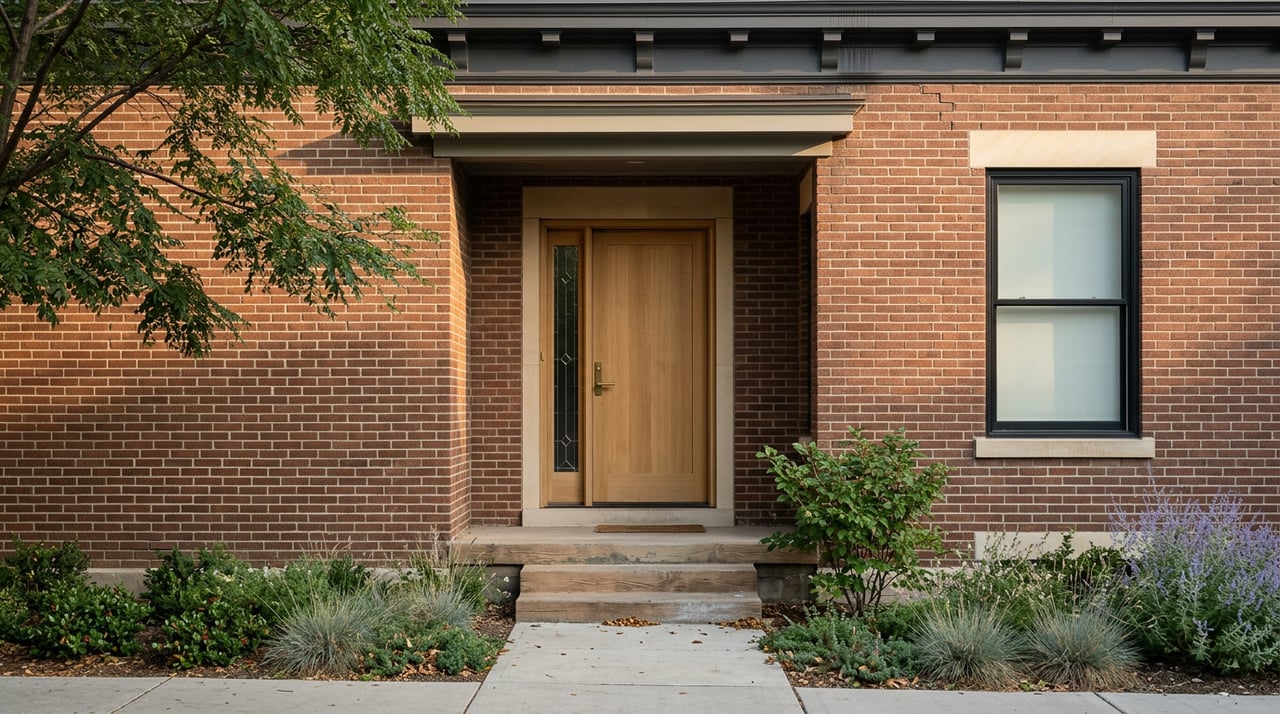
Park Hill is one of Denver’s classic, tree-lined neighborhoods with roots in the early 1900s. You will see bungalows, Denver Squares, Tudors, and brick homes with character on many blocks, plus larger lots in several areas. The neighborhood has an active civic presence and a rich history documented by the local association at Historic Park Hill.
Park Hill is close to City Park, home to the Denver Zoo and the Museum of Nature & Science. That big, 330-acre green space is a daily-life advantage for many families who value culture and open lawns. Learn more about the park’s features in this City Park overview.
Another major change to watch is the city’s acquisition and planning of the former Park Hill Golf Course, slated to become a large public park called Park Hill Park. This once-in-a-generation project will reshape local amenities. You can follow updates in the city’s Park Hill Action Plan.
Schools and enrollment
Both neighborhoods offer respected Denver Public Schools options, but the details depend on your exact address and the School Choice process.
- Central Park families often look at Swigert International and William “Bill” Roberts ECE-8, plus DSST and other charter options. You can explore calendars and contact info on the Swigert International page. Enrollment in many Central Park subareas involves shared boundary zones and lotteries, so verify timelines and policies directly with DPS and target schools.
- Park Hill families often cite Park Hill Elementary and McAuliffe International for their programs. As with Central Park, confirm boundaries and School Choice steps with DPS and the individual schools. Policies change, and placement depends on the address plus the district process.
Practical tip: If schools are your top priority, identify target campuses first, then shop for homes within the relevant boundaries. Tour schools, ask about waitlists, and note application deadlines before you write an offer.
Parks, play, and after-school life
- Central Park was designed for daily outdoor living. Dozens of pocket parks, the 80-acre Central Park, connected greenways, pools, and a community rec culture give you built-in places to gather and play. The Sand Creek and Westerly Creek corridors make stroller walks and bike rides easy, and Bluff Lake Nature Center has seen upgrades that families appreciate. Get the big picture in the neighborhood’s parks and open space overview.
- Park Hill’s proximity to City Park is hard to beat if you love the zoo, museum, and wide-open lawns. The planned transformation of the Park Hill Golf Course into Park Hill Park will add more large-scale open space in the years ahead. Keep an eye on the city’s Park Hill Action Plan for design and timing updates, and review City Park’s amenities via this City Park overview.
Architecture, lots, and upkeep
- Central Park homes are mostly newer builds with modern systems. Lots tend to be smaller and more low maintenance, which many busy households prefer. Exterior standards are managed through the Master Community Association and, for many addresses, sub-HOAs.
- Park Hill offers early-to-mid 20th-century architecture with original details and, often, larger yards. Many homes have been updated, but you should plan for typical older-home considerations like roof, foundation, mechanicals, or cosmetic renovations if you want a turnkey interior. The upside is the character and yard space that are hard to find in newer communities.
Commute and transit
Your daily travel pattern can be a tiebreaker.
- Central Park provides a direct A Line rail connection at Central Park Station. It is about 13 minutes to Union Station and roughly 24 minutes to Denver International Airport by rail. You can preview the service in this station summary. Car commuters also have quick access to I-70 and north-south arterials.
- Park Hill sits closer to downtown by car, generally cutting drive times to central Denver compared to many Central Park addresses. Bus routes cover key corridors. If your work is downtown-centric and you prefer to drive or take the bus, Park Hill’s location often trims your daily minutes.
Prices and micro-markets
Recent third-party neighborhood indices place Central Park’s average home value around the high 600s to low 700s, with one widely followed index near 739,000 dollars as of early 2026. Park Hill’s recent median sale price has hovered around the high 600s, with noteworthy variation between South Park Hill near City Park and more affordable pockets farther northeast.
Two important notes:
- Product type matters. Townhomes and condos in Central Park often price below detached homes, while Park Hill’s detached stock swings widely by lot size, condition, and architectural detail.
- Micro-location matters. In Park Hill, block-to-block differences can be significant. In Central Park, sub-neighborhoods and proximity to parks or the station can influence value.
The smartest move is to pull recent sold comps for the exact micro-area and home type when you are ready to write an offer.
HOAs and recurring costs
- Central Park has an active Master Community Association, plus many sub-HOAs that cover parks, pool access, common-area maintenance, and community events. Dues vary by property type. Before you buy, review CCRs, budgets, and any special assessments. You can get a sense of community programming via the MCA calendar.
- Park Hill’s classic single-family areas typically do not have neighborhood-wide HOAs. Some condo or townhome enclaves will include dues, but most detached homes will not have a master association fee. Always confirm the specifics for any individual property.
Safety and feel, block by block
Both neighborhoods include blocks with different activity levels, traffic, and property-crime patterns. Rather than relying on broad labels, review incident data for the exact block, visit at different times of day, and evaluate lighting, security features, and building access. For a high-level view of crime trends and comparisons, tools like this Park Hill area snapshot can be a starting point. Pair that with on-the-ground visits and questions for local officers or neighborhood groups.
Long-term equity and projects to watch
- Park Hill Park transformation. The former Park Hill Golf Course is transitioning to public open space, which will reshape local recreation and could influence demand near the new park over time. Track milestones on the city’s Park Hill Action Plan.
- Central Park’s planned lifestyle. With ongoing or recent buildout in outer phases, Central Park benefits from consistent amenities and a strong family draw. Centralized parks, pools, and programming help sustain buyer interest, as outlined in the neighborhood’s parks and open space guide.
- Taxes and assessments. Colorado’s assessment landscape has evolved in recent years. For property-specific tax estimates and current mill levies, use the City and County of Denver’s Property Assessments portal.
Which is right for you? Quick scenarios
- If you want brand-new, low maintenance, and built-in community amenities: Choose Central Park. You will find newer homes, smaller lots, and access to multiple pools, pocket parks, and community programming. Families who travel also value the A Line to downtown and DIA.
- If you want historic character, larger yards, and daily access to City Park: Choose Park Hill. Expect older-home maintenance or renovation in exchange for mature trees, architectural detail, and quick trips to the zoo and museum. Watch the Park Hill Park planning for added open space over time.
- If your commute is downtown-centric and you prefer to drive or bus: Lean Park Hill. It is closer by car to downtown. If you prefer rail, Central Park gives you a fast, predictable A Line ride to Union Station.
- If top schools drive your search: Either can work. Start by identifying your target campuses and verifying School Choice timelines and boundaries with DPS, then shop for homes in the relevant areas. For example, Central Park families often tour Swigert International, while Park Hill families may focus on Park Hill Elementary and McAuliffe International.
- If you want renovation upside and less near-term competition from new builds: Consider Park Hill. Many homes offer value-add potential through updates or expansions. Central Park’s appeal is strong, but active and recent new construction can influence short-term appreciation.
Your next steps
Use this simple checklist as you compare homes:
- Verify DPS boundaries and School Choice timelines for the exact address. Contact target schools directly to ask about tours, lotteries, and waitlists.
- Pull recent sold comps for the micro-area and product type, not just the neighborhood median.
- Confirm HOA and MCA obligations for any Central Park property. Review CCRs, budgets, and any recent special assessments. Community programming links such as the MCA calendar can also help you gauge fit.
- Walk the block at different times of day. Test commute routes, school drop-off patterns, and park usage.
- For older homes, budget inspections for roof, foundation, mechanicals, electrical, and insulation. Plan realistic timelines and costs for any desired updates.
- For tax planning, review estimated assessments on Denver’s Property Assessments portal.
If you are weighing Central Park versus Park Hill, a focused tour day that stacks 3 to 4 addresses in each area usually clarifies your fit quickly. When you are ready to compare live comps and craft a winning offer strategy, connect with the Kissel Group for neighborhood-level guidance and a smooth path to closing.
FAQs
What is the main difference between Central Park and Park Hill?
- Central Park is a newer, master-planned neighborhood with many parks, pools, and an A Line station, while Park Hill is a historic area with larger lots on many blocks and quick access to City Park and cultural institutions.
How do HOAs compare between Central Park and Park Hill?
- Many Central Park homes belong to the Master Community Association and sometimes a sub-HOA, which fund parks, pools, and common areas. Most Park Hill single-family homes do not have a neighborhood-wide HOA, though condos and some infill may include dues.
How do commutes differ to downtown and DIA?
- Central Park offers direct A Line rail to Union Station and DIA from Central Park Station. Park Hill is closer by car to downtown and City Park. Your exact travel time will vary by address and time of day.
What schools serve Central Park and Park Hill?
- Central Park families often look at Swigert International, William “Bill” Roberts ECE-8, and DSST options. Park Hill families frequently consider Park Hill Elementary and McAuliffe International. Confirm boundaries and School Choice policies with DPS for your specific address.
Are prices higher in Central Park or Park Hill right now?
- Recent third-party measures show Central Park averages in the high 600s to low 700s and Park Hill medians in the high 600s, but micro-location and property type drive big differences. Use recent sold comps for your exact block and home style.
What is happening with the Park Hill Golf Course site?
- The city has acquired the property and is planning a large public park known as Park Hill Park. You can follow progress and community input through Denver’s Park Hill Action Plan.