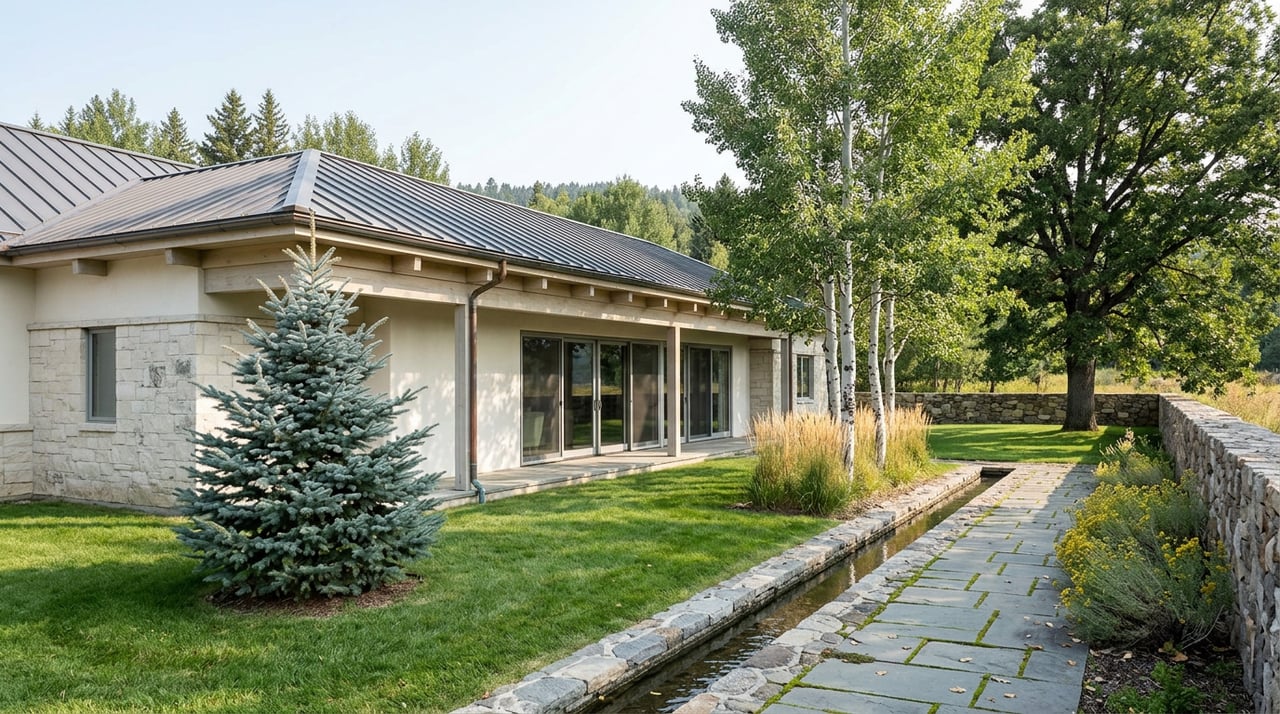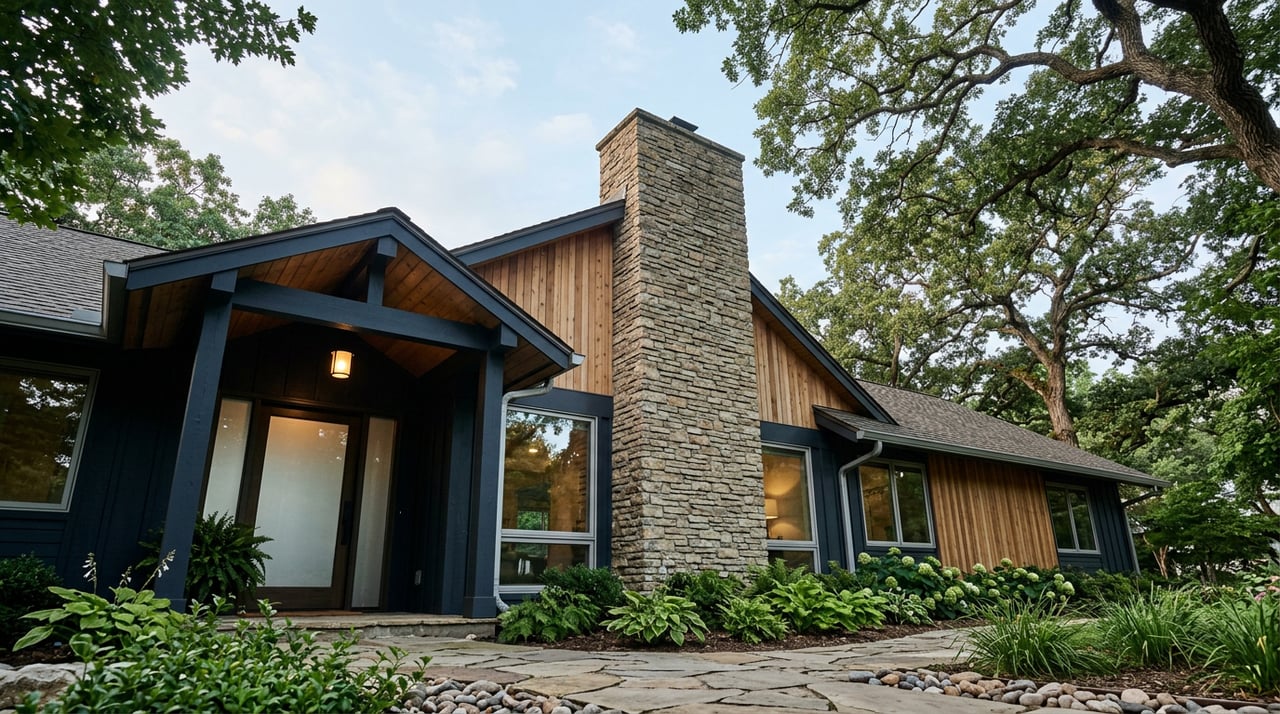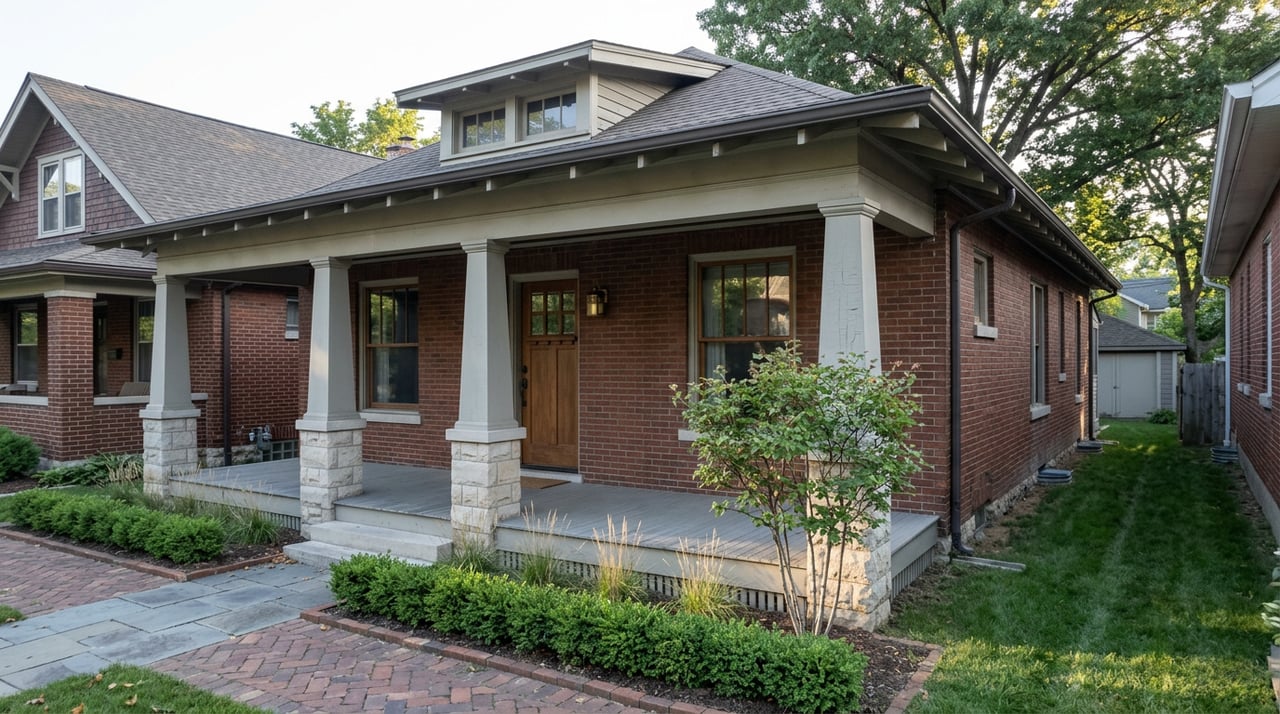
Drive Youngfield Street on a September evening and nothing looks like a groundbreaking. No banners, no ribbon-cutting, no construction fence around a new building. What you'll see instead is a strip of restaurants that have been here for years quietly doing more than they used to, while two miles north, the one big publicly funded project meant to expand where residents can walk their dogs sits behind a closed gate.
That contrast is the actual story of Applewood this fall. The neighborhood isn't growing by adding new addresses. It's growing by asking its existing businesses to do more, while the trail project that was supposed to open up new ground stays stuck exactly where most people access it.
The golf course figured out it was already a hangout
Applewood Golf Course, at 14001 W. 32nd Avenue, has been operating since the 1960s, and for most of that run it functioned the way golf courses usually do: a place you went to play eighteen holes and maybe grab a burger after. That changed with Bunker's Taproom, the course's new restaurant built around a full cocktail bar, ten beer taps, and a seating area meant for people who have no intention of picking up a club.
The name isn't a golf pun, or not only one. A few years back, two elk wandered onto the course and stayed. Staff named them Bunker and Brassie. Brassie had a bad leg, and Bunker never left his side, the two of them inseparable for years. When the course renovated its bar and turned it into an actual restaurant, they named it after the elk that had already turned the place into a gathering spot long before the taproom existed.
That's a small detail, but it says something real about how Applewood works. The course didn't build a new event space from scratch. It looked at trivia nights and cornhole tournaments and Dinner on the Deck evenings that were already drawing a crowd of golfers and non-golfers alike, and it invested in making that crowd's regular hangout better. The course has picked up CAGGY awards for Best Value and Best Course for Families over the years, but the taproom is a bet that its identity as a community meeting place is worth building around directly.
A few blocks away, the same move
The pattern repeats at Applewood Vietnamese Restaurant, tucked into a small strip at 1901 Youngfield Street since 2015. It's built its name on pho, the kind of broth-first menu that turns a lunch order into a regular habit. Rather than opening a second location or rebranding, the restaurant is adding hibachi-style dishes to its existing menu, the same owners and the same address, just more on the table.
It's a modest move, and that's the point. Nobody is knocking down a building to make room for a bigger concept. A family restaurant that's spent a decade earning repeat customers is using that trust to try something new under a roof it already owns.
Youngfield Street was already doing the heavy lifting
None of this works without the corridor that made it possible. Applewood's food scene runs along Youngfield Street and the stretch of West Colfax Avenue that borders it, and the restaurants there have been the neighborhood's actual anchors for years.
Blue Sky Café, on West Colfax, is where weekend mornings start for a lot of residents, known for buttermilk pancakes and a green chili that gets built into breakfast burritos. Abrusci's Fire & Vine, on Youngfield itself, has carried the wood-fired pizza and handcrafted pasta end of things, with a patio that fills up on warm afternoons and entrees mostly running $15 to $25. A few minutes further out, Nomad Taqueria + Beer Garden pulls an energetic lunch crowd for carnitas tacos and green chili cheese fries at prices closer to $9 to $18, while Moose Hill Cantina has been serving Colorado-style Mexican food for decades, green chili plates and margaritas at $12 to $20 a dinner. For special occasions, Simms Steakhouse offers Angus beef steaks and a skyline view of Denver, with entrees running $25 to $50. La Patisserie Française Bakery, just off the main strip, functions as something of an open secret among people who already live here.
During the warmer months, the intersection of Youngfield and 20th Avenue adds another layer entirely, with food trucks rotating through on Taco Tuesdays and weekend BBQ pop-ups selling smoked brisket, kettle corn, and fresh corn on the cob. As the season turns, that rotation thins out, but the restaurants that anchor the corridor don't need warm weather to stay full. For anyone doing the weekly grocery run, King Soopers and Natural Grocers sit inside the Applewood Village Shopping Center, close enough that a stop for produce and a stop for dinner can happen in the same trip.
The one thing that isn't expanding
Set against all of that, Van Bibber Park is the neighborhood's other center of gravity, and this fall it's the one place where the trend runs backward. The park's 1.5-mile concrete trail winds through wetlands and open meadow with mountain views and an observation deck for watching the waterfowl the creek attracts, and it's been a fixture since Jefferson County Open Space began acquiring the land in 1978. Most people access it from one of two trailheads, either the main lot on Ward Road or the western entrance at Indiana Street.
For years there's been a plan to extend the trail west from that Indiana Street trailhead, connecting it to the Fairmount Trail near North Table Mountain Park, a link that would tie Van Bibber into roughly 24 miles of connected open space under Jefferson County's Conservation Greenprint. Construction on that nearly two-mile extension was expected to begin as soon as 2025 and run for about two years, and the project area has been closed to the public for the duration, right at the trailhead residents use most for the western half of the loop.
The Ward Road side of the park hasn't lost anything. The concrete trail through the meadows and past the observation deck is still there, still accessible, still the same walk it's been for years. But the piece of the trail system that was supposed to be new this year is the one thing in Applewood that's currently smaller, not bigger, than it was before.
That's worth sitting with. The businesses residents actually walk into every week, the golf course bar, the pho counter, the row of restaurants on Youngfield, are the ones finding room to grow. The public project designed to open up more ground is the one still waiting on its own timeline.
If you're already living in Applewood, none of this changes your address. But it's a fair description of what the neighborhood looks like heading into fall 2026: quieter expansion where people are already spending their evenings, and a longer wait on the one thing that was supposed to give them somewhere new to walk.
If you're weighing what a place like Applewood is actually like day to day, not just what a listing says about it, that's a conversation worth having with someone who tracks it block by block. The Kissel Group works this corridor from Youngfield Street to Van Bibber Park and can walk you through what's changing here in real time.