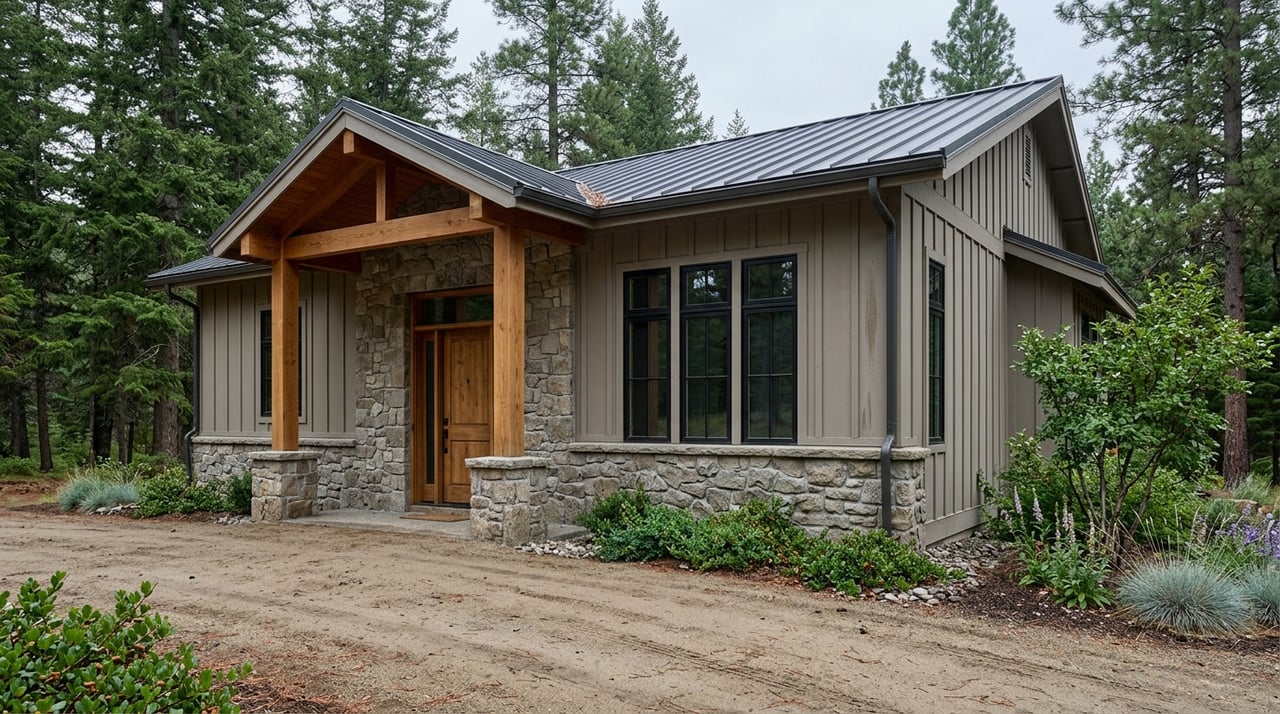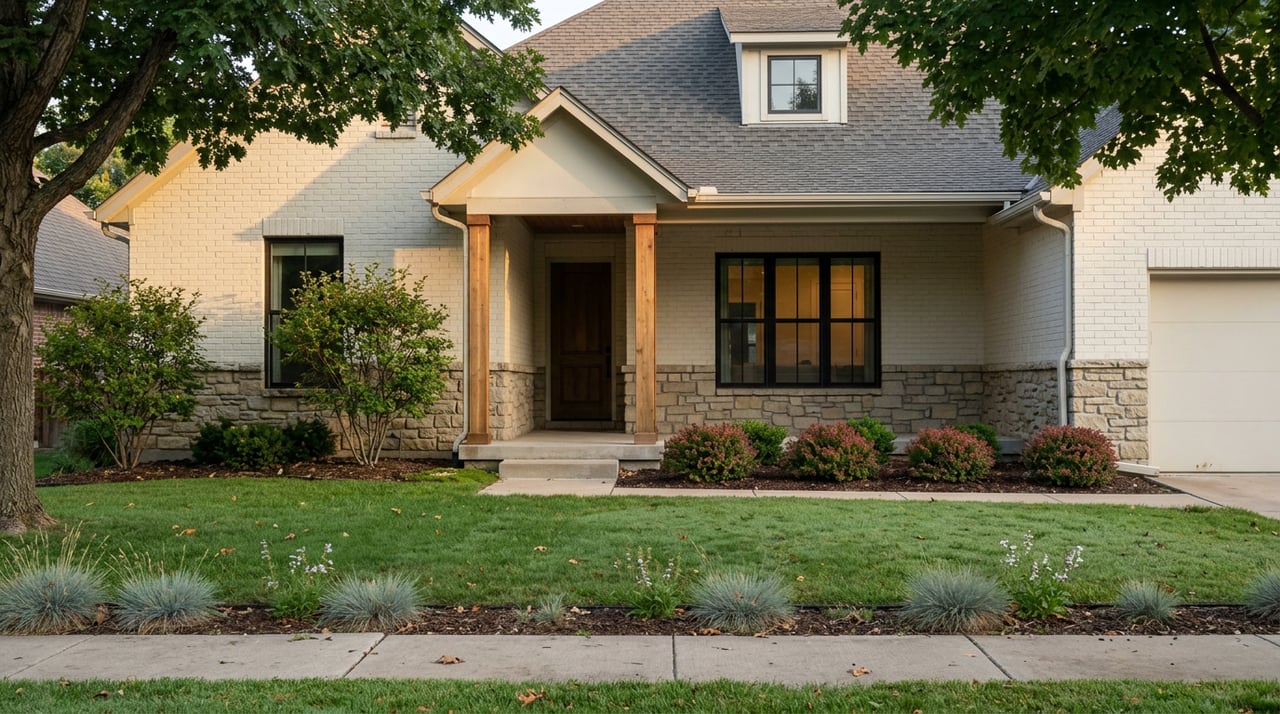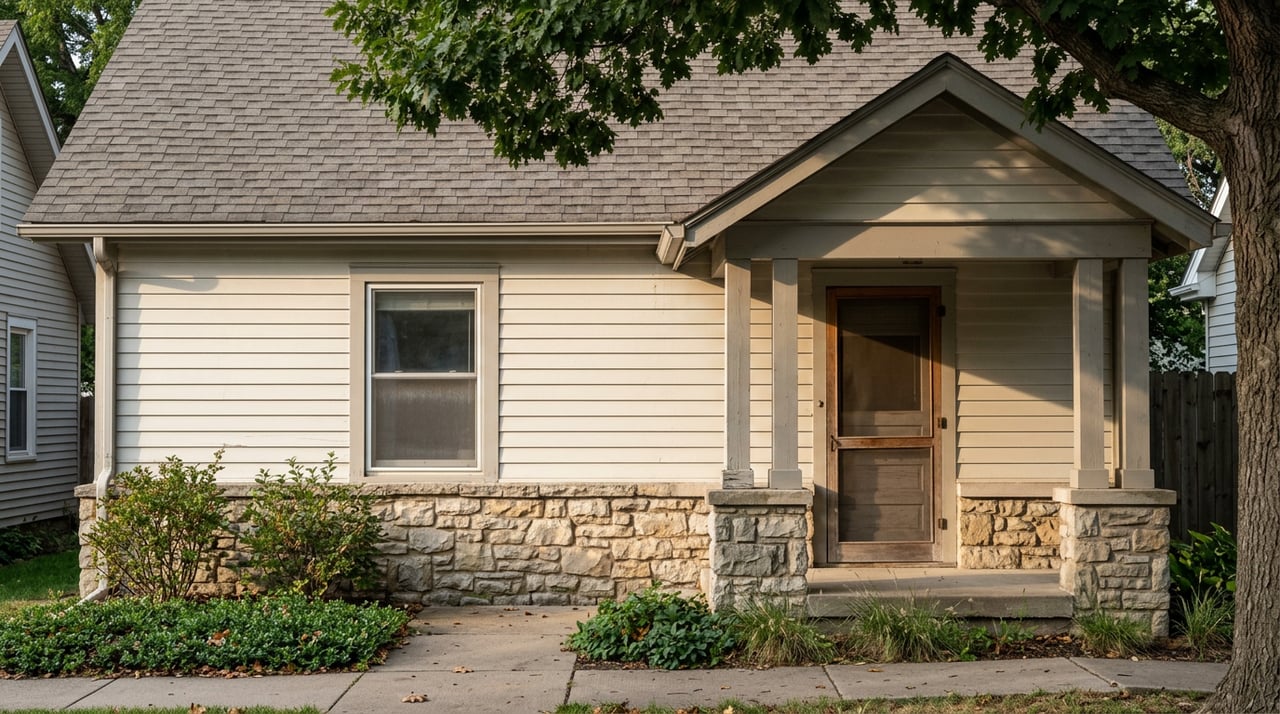
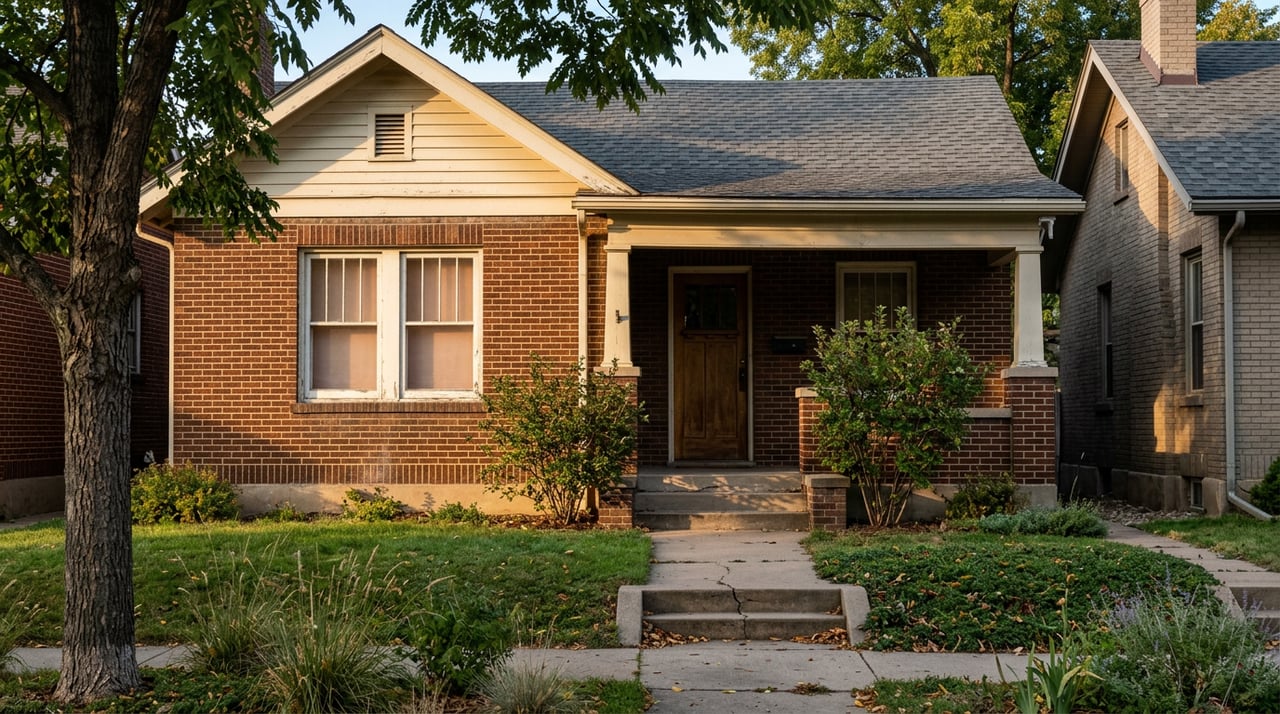
Two brick bungalows sit on nearly identical lots in Sunnyside. Same 1930s vintage, same 6,000-square-foot parcel, same distance to the coffee shops on 44th Avenue. One is eight blocks from the 41st & Fox rail station. The other is eleven blocks away. On paper, an appraiser would call them comparable sales. Under Colorado law, they are no longer the same kind of asset, and the date that changes everything is already on the calendar.
That date is December 31, 2026, when Denver has to file a report with the state proving it has rezoned enough land near its transit stations to hit a density target the legislature set two years ago. Sunnyside sits directly in the path of that requirement, and almost nobody comparing homes here right now is pricing that in.
The Law Quietly Rezoning Half of Northwest Denver
House Bill 24-1313, Colorado's Housing in Transit-Oriented Communities law, was signed by Governor Jared Polis in May 2024. It created a new category of local government called a transit-oriented community, and Denver qualifies because it sits inside a metropolitan planning organization with rail service. The mechanics are specific enough to matter for anyone shopping a specific block. The law requires each transit-oriented community to calculate a Housing Opportunity Goal, an average zoning capacity of 40 dwelling units per acre across its designated transit areas, defined as land within a half mile of a rail station or a quarter mile of a frequent bus route. Within those zones, the floor is 15 units per acre. Denver has to submit its final Housing Opportunity Goal report, along with its chosen affordability and displacement-mitigation strategies, to the state's Department of Local Affairs by December 31, 2026. If a jurisdiction misses that deadline, the department can designate it non-compliant, which carries real consequences for state funding.
Sunnyside is not a bystander to this. The 41st & Fox station serves the Globeville and Sunnyside neighborhoods directly, and it sits on both RTD's B Line and G Line. A half-mile radius from that platform covers a meaningful share of the neighborhood's grid. That is the boundary that decides which lots get pulled into the state's density math and which ones sit just outside it, at least for now.
RTD gave the station more weight this year too. Starting June 7, 2026, the agency restored G Line service to 15-minute frequency on weekdays from 6 a.m. to 9 p.m. and on weekends from 8 a.m. to 6 p.m. A station running trains every fifteen minutes is a fundamentally different transit asset than one running every half hour, and it strengthens the case for treating the walkshed around it as premium land regardless of what zoning eventually allows there.
Why Sunnyside's Median Can't Agree With Itself
Pull five estimates of Sunnyside's median home price this year and you get five different answers, and the spread is wide enough that it looks like a data problem. It isn't. It's the fingerprint of two different products selling under one neighborhood name.
| Source and timing | Reported figure |
|---|---|
| Trailing 12 months, reported mid-2026 | $795,000, up about 1% year over year |
| Point estimate compiled January 2026 | $779,696 |
| November 2025, single month | $855,000 median, up 10.3% year over year, on 42 sales |
| Average home value, reported mid-2026 | $644,866, down 6.7% year over year |
That last figure is not a typo next to the others. It reflects the same basic problem every one of these numbers runs into: Sunnyside's sales volume is thin, often fewer than fifty active listings in the neighborhood's core zip code at any given time, and the properties changing hands are not interchangeable. A renovated century-old Craftsman selling for a premium and a new-construction infill townhome selling at a very different price point can both close in the same month and get averaged into one median that describes neither of them well. When a market this small mixes bungalow comps with new density product, the median stops being a stable number and starts being a monthly referendum on which type of house happened to trade.
That volatility is itself useful information. It tells you the neighborhood's housing stock is actively bifurcating between its historic core and its infill edges, which is exactly what you'd expect a neighborhood to look like in the years before a rezoning deadline forces the question of density statewide.
What Two Real Projects a Mile Apart Show About the Next Decade
A precedent older than the law
Sunnyside didn't wait for HB24-1313 to see transit-driven density. Back in 2018, ground broke on Zia Sunnyside, a $123 million project at 4001 Inca Street built next to the 41st & Fox station, delivering 434 residential units, split between 314 rental apartments and 120 for-sale condos, on 2.3 acres. It was designed around the station before the state ever mandated that kind of density near rail. That project is worth knowing about because it shows the market already understood what a transit-adjacent parcel in Sunnyside could support, years before the law caught up.
The playbook repeating without displacement
More recently, OZ Architecture, Stapleton Equity Partners, and Palisade Partners delivered The Ayden, a 117-unit, three-story project at 4228 Kalamath Street. What makes it a useful case study for buyers isn't the unit count. It's that the site was previously a vacant parking lot, so no single-family homes came down to build it, and the design team worked with Sunnyside United Neighbors, Inc., the neighborhood's registered organization, drawing visual cues from the historic Horace Mann School and the classic brick bungalows nearby rather than importing a generic apartment block. It is a working example of density added to a transit-served neighborhood without a teardown clock running on someone's existing home, and it is the kind of project Denver will likely lean on more as it works to hit its Housing Opportunity Goal without bulldozing occupied lots to do it.
What the Clock Means If You're Comparing Two Lots Right Now
If you're evaluating property in Sunnyside against a neighbor a few blocks over, or against Berkeley, West Highland, or Lower Highlands, here's what the transit-area boundary actually changes about that comparison.
- A parcel within roughly a half mile of the 41st & Fox platform sits inside Denver's mandatory Housing Opportunity Goal zone, which means it's more likely to see rezoning that permits higher density approved through an administrative process rather than a lengthy public hearing.
- A visually identical lot just outside that radius isn't subject to the same state-driven pressure, and it may hold its current single-family character longer simply because the law doesn't reach it.
- The frequency increase on the G Line makes the station a stronger amenity today, independent of anything zoning eventually unlocks, which is one reason a walkable block near the platform can behave differently in a comp analysis than a block the same distance from, say, a bus stop with half-hour headways.
- An appraiser or a buyer comparing two bungalows a few blocks apart may be comparing two different future use cases, not two versions of the same asset. That distinction rarely shows up in a standard comparable-sales grid.
None of this tells you what your specific parcel will be zoned for or when. It's a lens for asking sharper questions before you write an offer or set a list price, not a substitute for looking at the actual zoning map for an individual address.
Sunnyside's discount against Berkeley, West Highland, and Lower Highlands, where recent average sale prices have run more than $100,000 higher, has always been explained as simple geographic arbitrage: buyers priced out of the pricier Highlands neighborhoods look one block north. That story is true, but it treats every Sunnyside lot as the same kind of bargain. The rezoning deadline says otherwise. Some of that discount sits on land the state is actively working to make more valuable, and some of it sits on land nobody is required to touch.
FAQ
Will Sunnyside stop being a bungalow neighborhood? Nothing in HB24-1313 requires demolishing existing homes. The law sets a zoning capacity target, not a mandate to build. Denver can meet its Housing Opportunity Goal by concentrating density on vacant parcels, parking lots, and commercial sites within the transit area, the same approach taken with both Zia Sunnyside and The Ayden.
How do I know if my block sits inside the Transit Area? The Colorado Department of Local Affairs published transit area maps as part of its HB24-1313 guidance. Checking a specific address against that map, and against Denver's own zoning code, is a more reliable answer than guessing based on walking distance.
Does this mean prices jump before the December 2026 deadline? The deadline governs a zoning capacity report, not an automatic rezoning of every parcel. Any price effect would follow actual zoning changes and actual projects, which take longer to show up than a filing deadline does. What the deadline does is put a hard date on when Denver's answer to "how much density near this station" stops being an open question.
If you're weighing a Sunnyside address against something in Berkeley or Highland, or trying to figure out what a specific lot's proximity to 41st & Fox actually means for its future, that's exactly the kind of block-by-block read The Kissel Group works through with buyers and sellers every week. Work with Madison + The Kissel Group before you assume two bungalows a few blocks apart are the same purchase.