Do you love the idea of living steps from bold murals, buzzing patios, and a short hop to downtown? If you’re drawn to creative energy and urban convenience, Denver’s River North Art District, known as RiNo, might be on your shortlist. You want the real picture of daily life, not just the Instagram shots. In this guide, you’ll learn what life in RiNo looks like day to day, from housing options and nightlife to transit, green space, and practical tips for choosing the right building. Let’s dive in.
What living in RiNo feels like
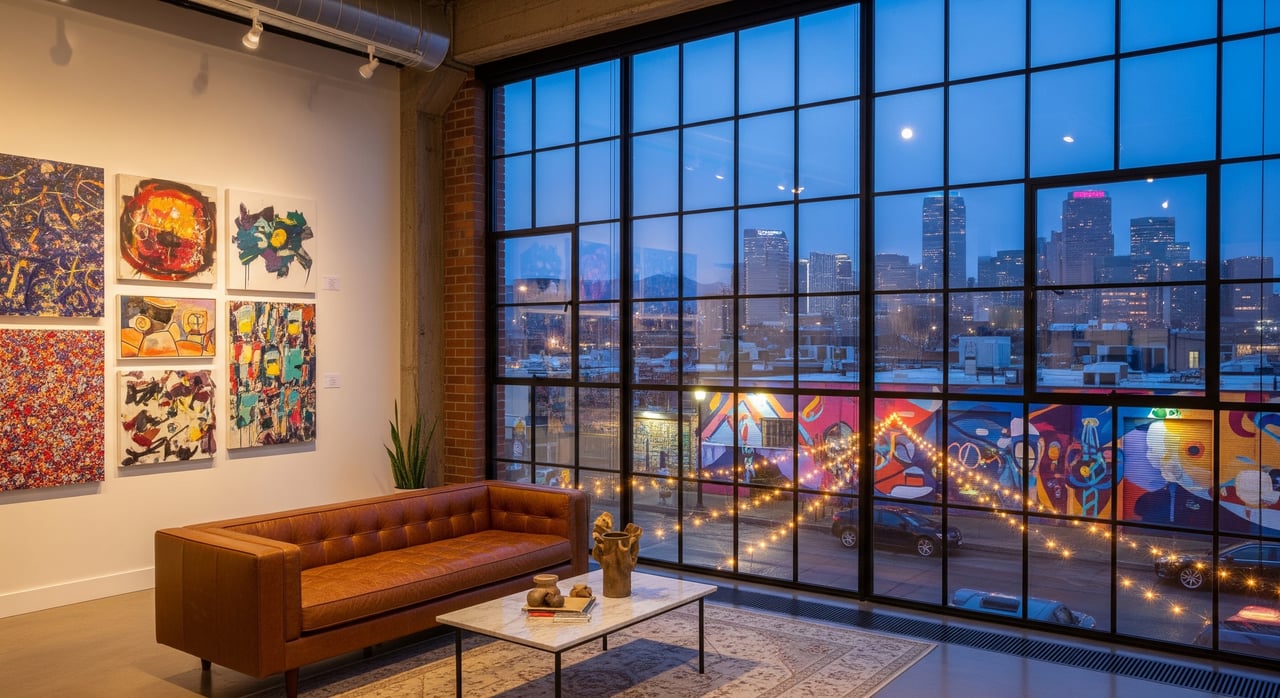
RiNo grew from an industrial warehouse zone into a creative district over the last two decades. You’ll see converted factories, modern mid-rises, and murals around nearly every corner. The vibe is artsy and industrial, with a steady flow of visitors who come for the food halls, breweries, and events.
Days feel active with deliveries, cyclists, and locals on foot. Evenings run later, especially on weekends. If you enjoy a lively street scene and want an urban, design-forward setting, RiNo delivers. If you prefer quiet at night, you can still live here comfortably by choosing the right building and location within the district.
Arts, murals, and galleries
Public art is a defining feature. Many blocks feature rotating murals and commissioned pieces. To explore current installations, events, and district programs, check the official RiNo Art District site. You’ll find small galleries, artist studios, and pop-up exhibits that give the area its creative buzz.
Because the art scene evolves, you’ll see new work appear and older pieces change. This keeps the streetscape fresh and gives residents plenty of weekend wandering. If you value art at your doorstep, RiNo makes it easy to live near creativity.
Food, drink, and nightlife
RiNo is home to destination-style food halls and a dense mix of breweries, distilleries, and taprooms. Two popular hubs include The Source, a market-and-hotel concept in a converted industrial building, and Denver Central Market, a food hall with multiple vendors under one roof.
You’ll also find patios, music venues, and late-night spots that add to weekend energy. Expect more pedestrians and bikes in the evenings, plus rideshare traffic on busy nights. If you like to entertain friends or try new places, you’ll rarely run out of options. If you prefer quieter nights, look for buildings with interior courtyards, thicker window systems, or units positioned away from major nightlife corridors.
Homes in RiNo
Housing in RiNo reflects its industrial-to-modern evolution. You’ll see:
- Converted warehouse lofts and loft-style condos
- Mid-rise and high-rise condos and apartments, including luxury new builds
- Townhomes and infill rowhomes on select blocks and edges of the district
- Very limited single-family homes within the core industrial area
There is a strong rental presence alongside condo ownership. New mixed-use projects continue to bring more residential options, along with evolving street-level retail. In an area with ongoing development, resale value often depends on the specific building, location within the district, and the surrounding commercial mix.
Choosing the right building
To match your lifestyle, focus on building features and micro-location:
- Noise: Ask about double-pane or sound-rated windows. Upper floors and courtyard-facing units can reduce street noise. Tour in the evening or on a weekend to get a true feel.
- Parking: If you own a car, prioritize buildings with assigned garage parking. Street parking can be tight at night and during events.
- Security: Controlled entries, camera systems, and concierge or on-site management are common features that residents value in busy urban districts.
- Amenities: Look for bike storage, fitness centers, dog washes, package rooms, and work-from-home spaces to support your daily routine.
- Future development: Check the City’s planning resources to understand potential projects nearby. The City and County of Denver planning pages provide updates on area plans and approvals.
Getting around: walk, bike, transit, car
RiNo sits just north of downtown Denver, which makes commuting and quick trips easy. Many residents walk or bike for errands and use transit or rideshare to reach downtown and Union Station. Bike infrastructure has expanded, and protected segments are growing in and around the area.
- Transit: You can reach regional rail and multiple bus routes through the downtown hub. Plan trips and check routes on RTD’s official site.
- Biking and walking: RiNo generally scores high for walkability compared with city averages, and the street grid connects you to nearby districts and downtown.
- Driving and parking: If your job sits outside the core, I‑25 offers regional access, but peak-hour congestion applies. Many residents choose buildings with paid garage parking and rely less on street spaces.
Green space and the river
While large parks are limited inside the industrial core, you’re close to the South Platte River corridor and multiuse trails. This is a go-to for running, biking, and a dose of green space near the city. Explore maps and facilities through Denver Parks & Recreation.
Mixed-use developments also add pocket parks and plazas. If outdoor time is a priority, note the distance to the river trails and consider a bike-friendly building to make those rides easier.
Groceries, services, and schools
Daily conveniences are available, though bigger supermarkets may sit on bordering corridors rather than deep inside the district. Many residents use a mix of nearby specialty markets, food halls, and larger grocers a short drive or bike away. Pharmacies, dry cleaners, and other essentials are present but can be more dispersed than in traditional residential neighborhoods.
K–12 schools are limited within the industrial core. Families typically review options in adjacent neighborhoods and verify attendance boundaries with Denver Public Schools directly. If schools factor into your decision, confirm boundaries for a specific address before you buy or sign a lease.
Safety and noise reality check
With nightlife and a steady visitor base, you should expect evening activity, late crowds on weekends, and more foot and bike traffic near major corridors. Like many urban entertainment areas, property crime can concentrate around busy blocks and event nights. For up-to-date, block-level detail, review the City’s open datasets and crime maps on Denver Open Data.
At the building level, controlled access, staffed lobbies, and camera systems are common priorities. During your search, visit at different times of day, walk the immediate block, and note lighting, foot traffic, and nearby venues. A few targeted tours can tell you a lot about the lived experience on your specific street.
Who RiNo is great for
RiNo is a strong fit if you want:
- Walkable access to galleries, murals, food halls, and breweries
- A mix of lofts and newer condos with modern amenities
- An urban setting close to downtown jobs and regional transit
It may be less ideal if you need:
- Large private yards or quiet, suburban-style streets
- Multiple school options within a small radius of your front door
- A very low-noise environment during late evening hours
How to search smarter in RiNo
Use these steps to match the neighborhood’s energy with your daily routine:
- Define your boundary. RiNo’s edges vary by source. Decide which streets and cross-corridors you want to include in your search.
- Tour at the right times. Visit in the evening and on a weekend to evaluate sound and crowd patterns.
- Plan your commute. Test your route to downtown and to your workplace at typical times. Compare transit and biking to driving.
- Prioritize parking. If you rely on a car, focus on buildings with assigned garage spaces and confirm fees and guest policies.
- Check building systems. Ask about window ratings, HVAC, and any sound-mitigation measures that matter for comfort.
- Scan future development. Review the City’s planning resources for approved or proposed projects near your building.
- Confirm daily needs. Map grocery options, pharmacy access, and service providers you use weekly.
If you want a lively, art-forward neighborhood with quick access to downtown, RiNo can be a smart move. With the right building and block, you get the creativity and convenience without sacrificing your daily comfort. If you are ready to explore available lofts, condos, or townhomes, connect with the Kissel Group for an on-the-ground tour and neighborhood guidance tailored to your goals.
FAQs
What is RiNo like day to day for residents?
- Expect an artsy, industrial setting with active weekdays and busier nights on weekends, thanks to galleries, food halls, breweries, and rotating events.
How close is RiNo to downtown Denver?
- RiNo sits just north of the downtown core, so many residents walk, bike, or take transit to reach offices and Union Station within a short trip.
Are there parks or trails near RiNo?
- Large parks are limited inside the core, but the South Platte River corridor and multiuse trails are nearby for running, biking, and access to green space.
What housing types are common in RiNo?
- You’ll find converted warehouse lofts, mid- to high-rise condos and apartments, and some townhomes or infill rowhomes on select blocks.
Is parking difficult in RiNo?
- Street parking and surface lots can be tight during evenings and events; many residents choose buildings with assigned garage parking.
How can I check crime and safety data for RiNo?
- Review the City’s official datasets and maps via Denver Open Data to see recent, block-level information.
Who manages the mural and public art programs?
- The RiNo Art District coordinates public art programming in partnership with artists, property owners, and civic teams.
What transit options serve RiNo?
- Bus routes connect through the area, and the regional network is accessible via the downtown hub; plan trips using RTD’s official site.