Wondering if you can live between Denver and Boulder without feeling stuck between two worlds? That is exactly why so many buyers look at Broomfield. If you want easier access to both cities, a suburban housing mix, and a day-to-day lifestyle with trails, parks, and retail close by, Broomfield deserves a serious look. Let’s break down what makes it work, where it may fall short, and how to decide if it fits your goals.
Why Broomfield Feels Like a Midpoint
Broomfield is not a perfect geographic halfway point, but it functions as a practical midpoint along the US 36 corridor. The City and County of Broomfield identifies US 36 as the primary highway connection between Denver and Boulder, and RTD operates Flatiron Flyer service from Broomfield park-and-rides to both Union Station and Downtown Boulder.
That matters if your life touches both metros. Whether you commute, meet clients, visit friends, or want flexibility for a two-city routine, Broomfield gives you a location that stays connected in both directions.
A Colorado travel guide describes Broomfield as about 20 minutes from Denver and 10 minutes from Boulder. Of course, actual drive times depend on traffic, time of day, and exactly where you are headed, but the larger point holds true: Broomfield sits in a very usable in-between position.
Commute Reality in Broomfield
If you are choosing Broomfield for commuting, the local data gives helpful context. Broomfield’s 2023 housing needs assessment, using 2019 LEHD data, shows that residents most often work in Denver at 18%, Boulder at 14%, and Westminster at 8%.
At the same time, Broomfield is not just a place people leave every morning. The same report shows 32,426 in-commuters, 29,814 out-commuters, and 4,431 people who both live and work in Broomfield.
That is an important distinction. It suggests Broomfield works not only for people commuting out, but also for people who want to live near a meaningful local job base while keeping Denver and Boulder within reach.
Current Census QuickFacts data show a mean travel time to work of 25.5 minutes. For many buyers, that points to a commute profile that feels manageable, especially compared with longer regional drives.
Broomfield Is More Than a Bedroom Community
One reason Broomfield stands out is that it is a real employment center in its own right. The city reports more than 40,000 employees working in over 1,000 businesses and organizations across its 34 square miles.
For buyers, that can translate into more flexibility. You may work in Denver now and later shift to Boulder, a hybrid role, or a job based in Broomfield itself without needing to rethink your entire home location.
This kind of built-in flexibility can be especially appealing if you are relocating or planning for a longer ownership horizon. Instead of buying for one exact commute today, you are buying into a location that can adapt with you.
Housing Options in Broomfield
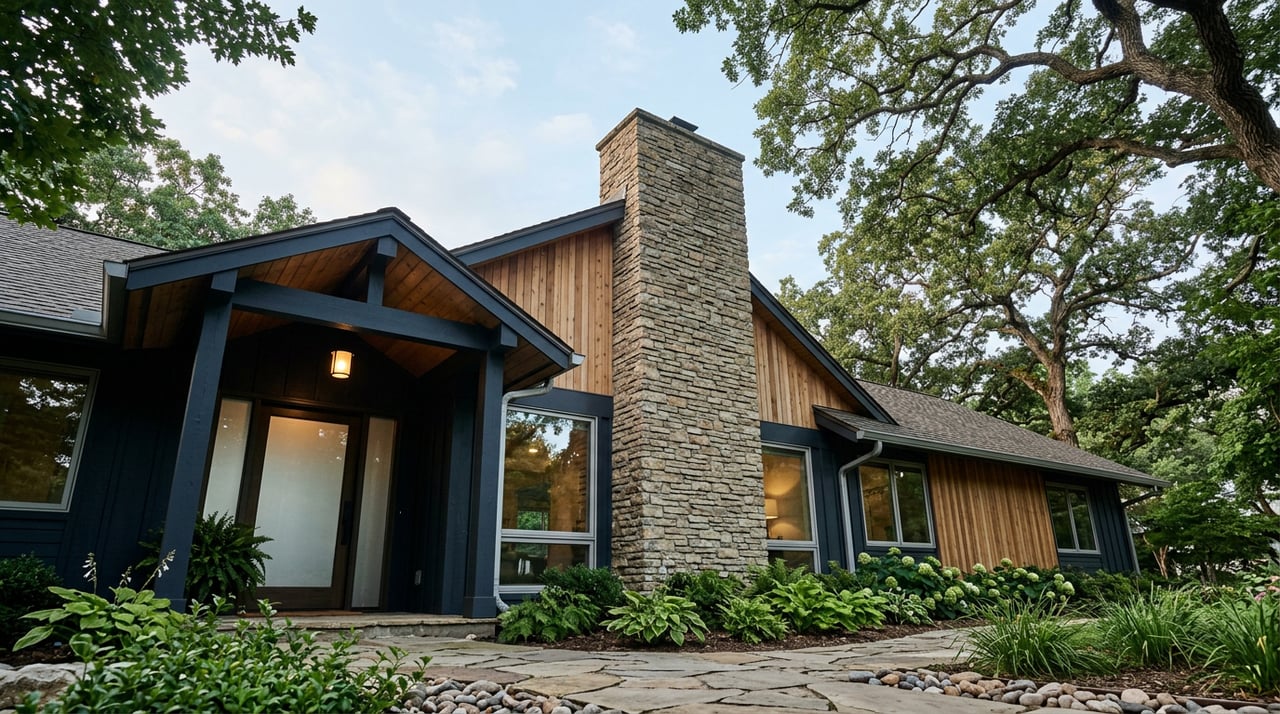
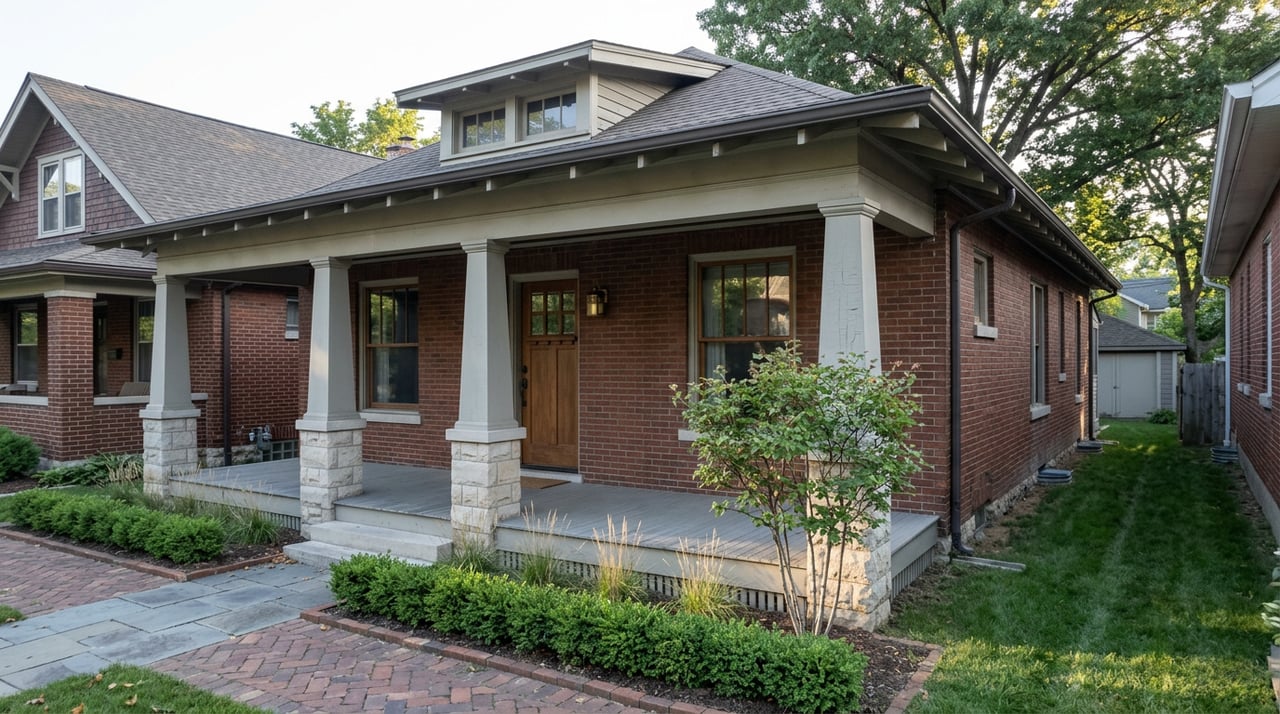
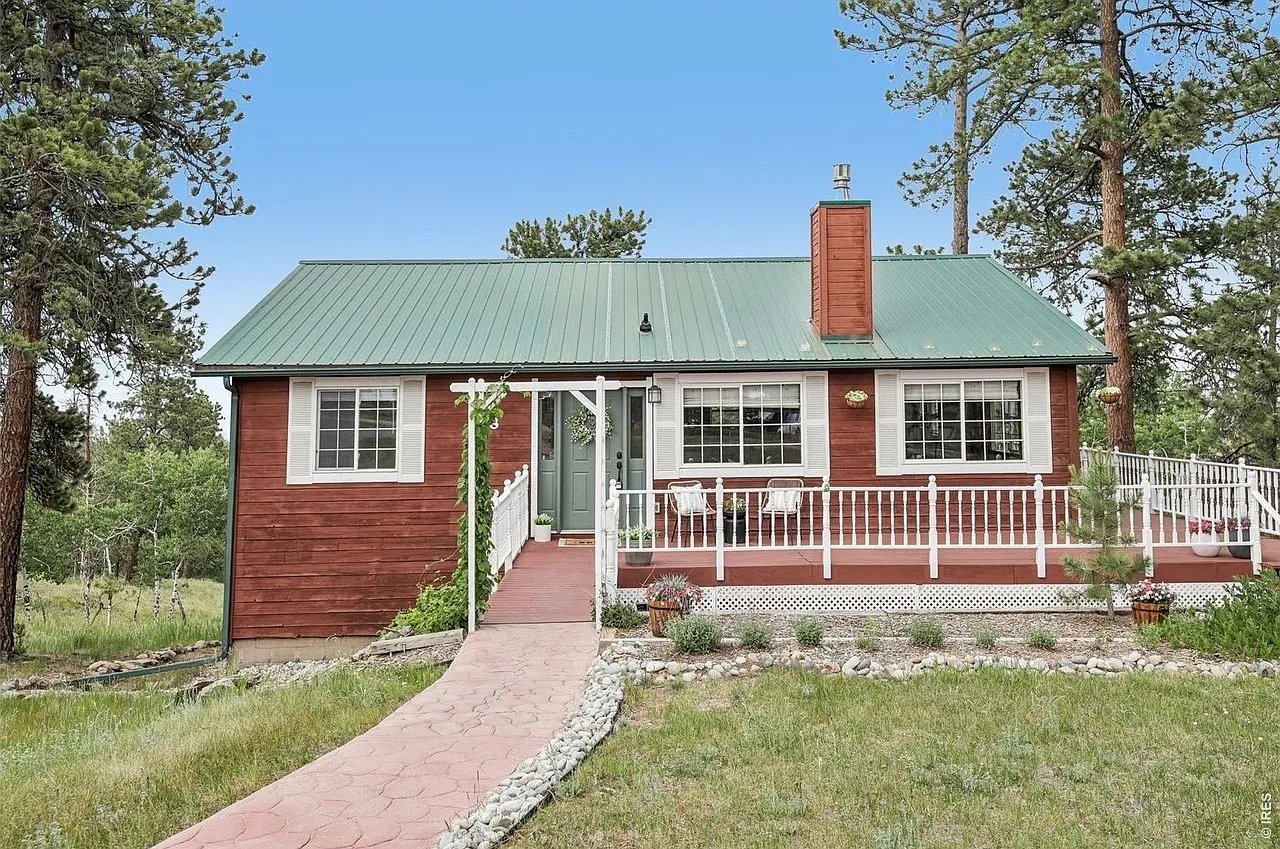
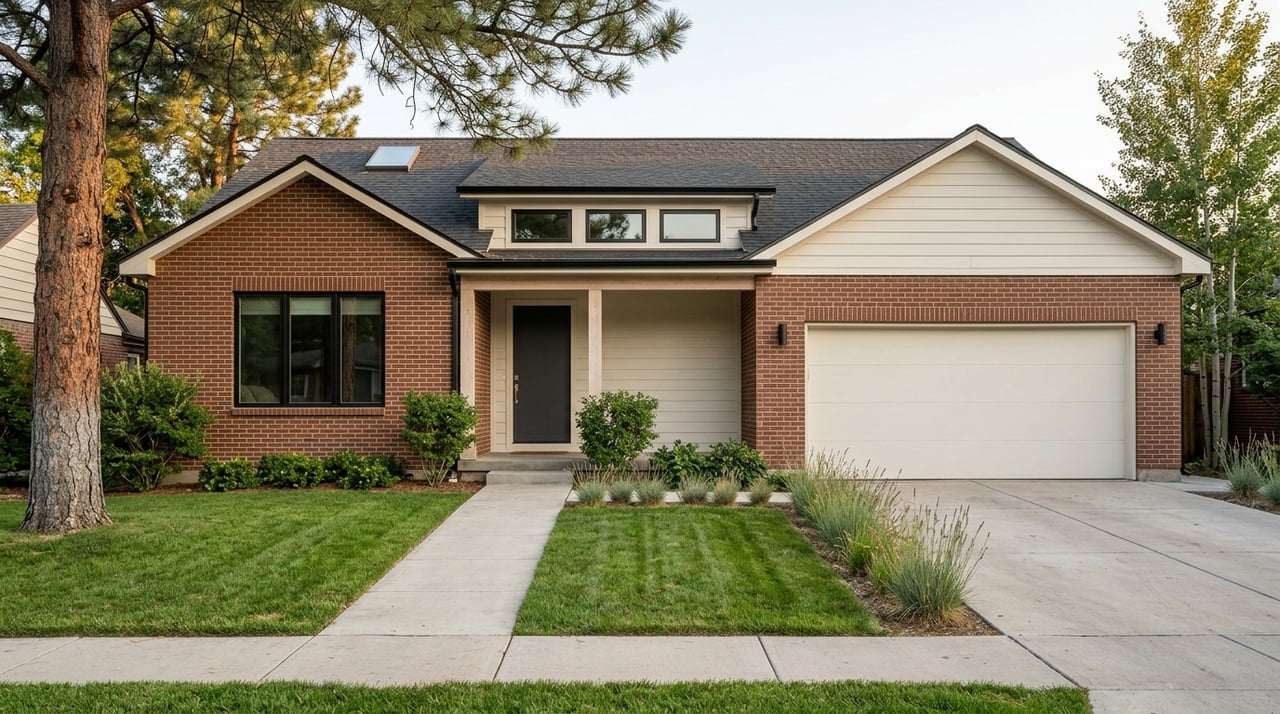
Broomfield’s housing stock leans suburban, but it is not one-note. According to the city’s housing needs assessment, about 63% of occupied housing units are detached single-family homes, followed by apartments or condos in 5-to-49-unit buildings at 16%, larger apartment buildings at 12%, townhomes and smaller attached formats at 8%, and mobile homes at 2%.
That mix gives buyers a few different entry points. If you want more space, detached homes make up the largest share of the market. If you want lower-maintenance living or a smaller footprint, townhomes and condos are part of the local inventory too.
The same report notes that owner households are concentrated in detached single-family homes, while renters are concentrated in apartments and condos. It also states that much of Broomfield’s owner-occupied housing was built from 1980 to 2009, which helps explain why many homes align with a more modern suburban layout.
What Broomfield Costs
Broomfield is not the bargain option between Denver and Boulder. Census QuickFacts report a median owner-occupied home value of $664,500, median monthly owner costs with a mortgage of $2,597, and median gross rent of $2,126.
Those numbers point to a higher-cost suburban market, not a low-cost middle ground. For many buyers, the value proposition is less about getting the cheapest home and more about balancing space, convenience, and access to multiple job centers.
The local owner-occupied housing rate is 62.7%, and Broomfield has 31,760 households with an average of 2.39 persons per household. Combined with the city’s median household income of $123,874, the picture is of a market that tends to attract established and upwardly mobile buyers.
Who Broomfield Often Fits Best
Broomfield can be a strong fit if you want to stay connected to both Denver and Boulder without committing fully to either city’s lifestyle. That may include relocating professionals, dual-income households, first-time buyers looking beyond Denver proper, or move-up buyers who want a more suburban housing mix.
The resident profile supports that idea. Census data show that 60.3% of adults age 25 and older have a bachelor’s degree or higher, and 96.4% are high school graduates or higher.
From a real estate decision-making standpoint, Broomfield often makes sense for buyers focused on efficiency and flexibility. You are not just choosing a home. You are choosing a base that can support work, recreation, and day-to-day mobility across the north metro area.
Lifestyle Perks That Add Value
For many buyers, Broomfield’s appeal goes beyond location. The city says it has more than 281 miles of trails, over 700 acres of developed parks, 45 playgrounds, and more than 8,000 acres of private and public open lands.
That gives the area a strong outdoor component to daily life. If you value getting outside before work, after dinner, or on weekends, Broomfield offers a lot of built-in access to recreation without leaving town.
Transit and retail also add convenience. RTD lists Broomfield FlexRide, Interlocken/Westmoor FlexRide, Bike-n-Ride storage, and Flatiron Flyer service from Broomfield stations. FlatIron Crossing also brings a major retail and dining hub to the US 36 corridor, with over 175 stores and restaurants according to the property’s official site.
The Main Tradeoff to Know
Broomfield’s biggest tradeoff is that it is more dispersed than an urban core. The city notes that the community is spread across 34 square miles and has lacked recognized gathering places in part because of its geography and development pattern.
In practical terms, that usually means a more suburban, car-oriented routine than you would find in central Denver or central Boulder. You may gain space, trails, and easier regional access, but you may give up some of the walkable, compact feel that comes with denser city neighborhoods.
That tradeoff is not good or bad on its own. It simply comes down to what matters more to you in daily life.
Questions to Ask Before You Buy in Broomfield
If you are weighing Broomfield against Denver, Boulder, or nearby suburbs, ask yourself:
- Do you need regular access to both Denver and Boulder?
- Would you benefit from a location near US 36 and RTD commuter options?
- Are you looking for detached homes, townhomes, or condos in a suburban setting?
- Is outdoor access, trail mileage, and park space part of your ideal lifestyle?
- Are you comfortable with a more spread-out, suburb-first environment?
- Does Broomfield’s price point align with your budget and long-term plans?
These questions can help you move past the idea of a “midpoint” and focus on fit. A location only works if it supports how you actually live.
So, Is Broomfield the Right Midpoint?
For the right buyer, yes. Broomfield works well as a practical midpoint between Denver and Boulder because it combines corridor access, transit options, a meaningful local employment base, and a suburban housing mix that many buyers want.
It is especially appealing if you want flexibility, value outdoor amenities, and prefer a balanced home base over a dense urban setting. It may be less ideal if your top priority is a highly walkable downtown lifestyle or finding the lowest-cost option in the region.
If you are comparing Broomfield with other Denver-area neighborhoods and suburbs, the smartest next step is to look at your commute patterns, budget, and preferred home style together. If you want help narrowing down the right fit, Kissel Group can help you evaluate Broomfield and nearby options with local, data-backed guidance.
FAQs
Is Broomfield actually halfway between Denver and Boulder?
- Broomfield is better described as a practical midpoint on the US 36 corridor rather than a perfect halfway point, with access to both Denver and Boulder by road and RTD service.
Is Broomfield a good place for commuting to Denver or Boulder?
- Broomfield can work well for commuting because many residents work in Denver and Boulder, RTD operates Flatiron Flyer service from Broomfield, and Census data show a mean travel time to work of 25.5 minutes.
What types of homes are common in Broomfield?
- Detached single-family homes make up the largest share of occupied housing in Broomfield, with condos, apartments, and townhomes also part of the local housing mix.
Is Broomfield more affordable than Denver or Boulder?
- The research supports that Broomfield is not a low-cost midpoint, with a median owner-occupied home value of $664,500 and median gross rent of $2,126.
What is daily life like in Broomfield?
- Daily life in Broomfield tends to center on suburban convenience, with extensive trails, parks, open space, transit options, and retail amenities along the US 36 corridor.
Who should consider buying a home in Broomfield?
- Broomfield may be a strong option for buyers who want access to both Denver and Boulder, prefer a suburban housing mix, and value flexibility, outdoor amenities, and regional convenience.