If you are trying to picture what it really feels like to live in Park Hill, daily life is often less about one big attraction and more about the rhythm of simple, repeatable routines. You might start with coffee, fit in a park walk, stop by the library, and run errands along Colfax or 23rd Avenue, all within a neighborhood that blends history, green space, and local gathering spots. If you want a grounded look at what everyday life in Park Hill Denver actually offers, this guide will walk you through the places and patterns that shape the experience. Let’s dive in.
Park Hill at a glance
Park Hill is a large Denver neighborhood area with roots that go back to an 1887 plat, and its identity has grown over time through residential development, civic involvement, and access to major parks and cultural destinations. Denver Public Library describes Greater Park Hill as including Northeast, North, and South Park Hill, generally bounded by Colfax Avenue, Colorado Boulevard, 52nd Avenue, and Quebec and Syracuse streets.
That broader footprint helps explain why daily life here does not revolve around a single main street. Instead, Park Hill feels like a network of small routines, local business pockets, historic streets, and park access that connect different parts of the neighborhood.
Coffee is part of the routine
In Park Hill, coffee shops do more than serve drinks. They often act as meeting spots, work breaks, and easy anchors for your morning or afternoon. If you are exploring the neighborhood, these local stops help show how people actually spend time here.
Torpedo Coffee in Oneida Park
Torpedo Coffee, located at 2231 Oneida St., is a locally owned shop that reflects the neighborhood gathering-place feel many buyers look for. The shop describes Oneida Park as a gathering place for the neighborhood and offers both indoor and outdoor seating.
For many residents, a place like this fits naturally into everyday life. It is the kind of stop that can bookend a morning walk, a quick catch-up with a friend, or a casual weekend routine.
Honey Hill Cafe on 23rd Avenue
Honey Hill Cafe at 4628 E. 23rd Ave. describes itself as a small local coffee shop in Park Hill. Its daily hours are listed as 7 a.m. to 5 p.m., and it highlights local coffee, pastries, sandwiches, salads, and sustainable practices.
That mix makes it useful for more than a coffee run. It also supports the kind of flexible neighborhood rhythm many people want, where you can grab breakfast, settle in for lunch, or keep things simple during a busy day.
Park Hill Hub near Colfax
Park Hill Hub at 1502 Ivanhoe St. sits near Colfax and Ivy and adds another local option to the mix. The cafe highlights a plant-filled patio, breakfast and lunch offerings, and hours from 9 a.m. to 7 p.m. most days, with Wednesday closed.
This kind of all-day neighborhood cafe helps show how Park Hill functions in real life. You are not limited to one commercial strip or one style of hangout, which gives the area a more lived-in and flexible feel.
East Colfax stops and current construction
If your routine extends toward East Colfax, Savageau Coffee & Ice Cream at 2260 E. Colfax Ave. adds another nearby option. The shop lists a small interior, a courtyard patio, and hours from 7 a.m. to 5 p.m. Sunday through Thursday, with later hours on Friday and Saturday.
It is also worth knowing that East Colfax is in transition. RTD and the City of Denver say East Colfax Bus Rapid Transit construction is underway, with bus-only lanes planned from Broadway to Colorado Boulevard in fall 2026 and full BRT service targeted for the end of 2027. During construction, business access is expected to remain open, with at least one lane in each direction maintained.
Parks shape daily life
One of Park Hill’s biggest lifestyle advantages is how strongly parks and open space factor into the neighborhood experience. If you like getting outside without needing a major plan, this area offers a practical kind of access that can easily become part of your weekly routine.
City Park is a major draw
City Park is the signature green space tied to Park Hill living. Denver’s City Park master plan describes it as a flagship park with meadows, lakes, tree groves, walking and biking opportunities, along with outings to the zoo and museum.
That matters because it turns open space into part of your normal schedule, not just an occasional destination. Whether you want a walk before work, a longer weekend outing, or easy access to nearby cultural stops, City Park helps support that lifestyle.
Park Hill Park adds a local rhythm
Park Hill Park also shows up in everyday neighborhood life. Denver Parks and Recreation’s volunteer calendar includes recurring Park Hill Park Trash Bash cleanups, with events meeting at the main parking lot off 35th Avenue.
Even small details like that say something useful about a neighborhood. They point to a place where parks are used regularly and where community involvement remains part of the local culture.
Parkways influence the feel
Park Hill’s streetscape is shaped in part by historic parkways, including Montview Boulevard, 17th Avenue Parkway, Monaco Parkway, and Forest Parkway. Denver planning materials identify these as part of the area’s early City Beautiful-era system.
For you as a buyer or seller, that contributes to the look and feel people often notice right away. The parkways, setbacks, and landscaped streets help create a sense of openness and visual character that distinguishes Park Hill from more uniform residential areas.
History shows up in the homes
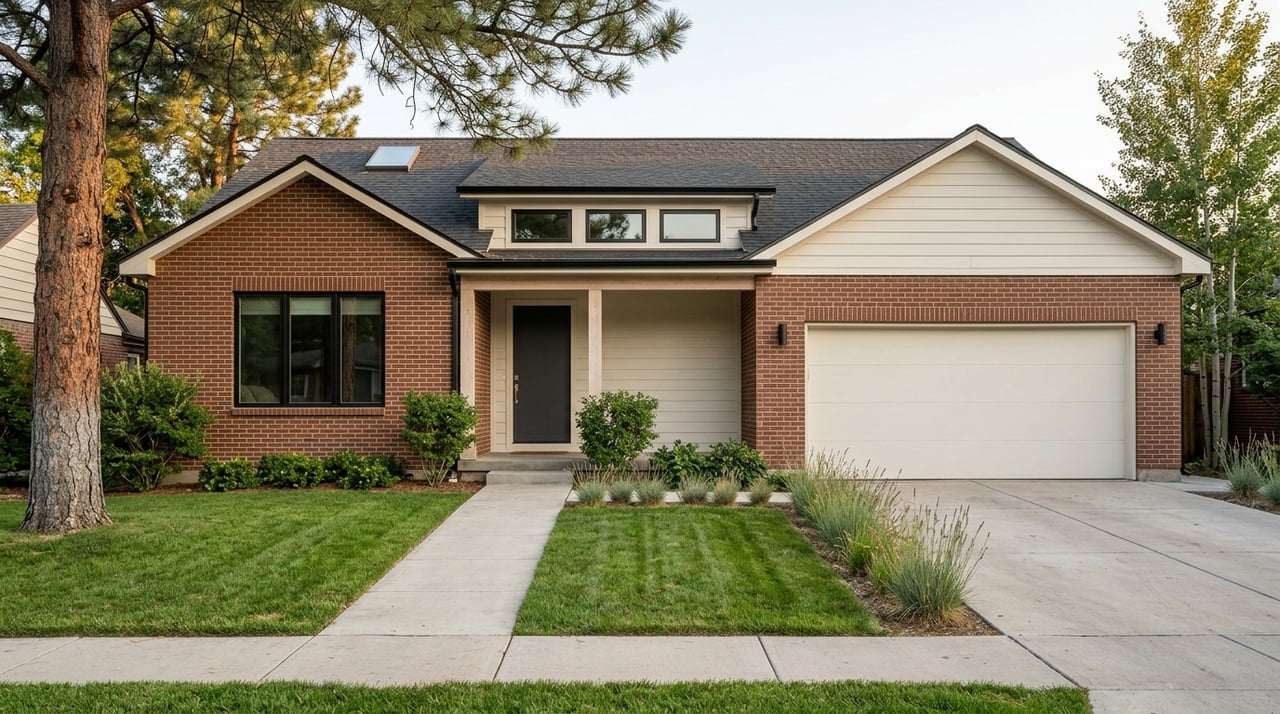
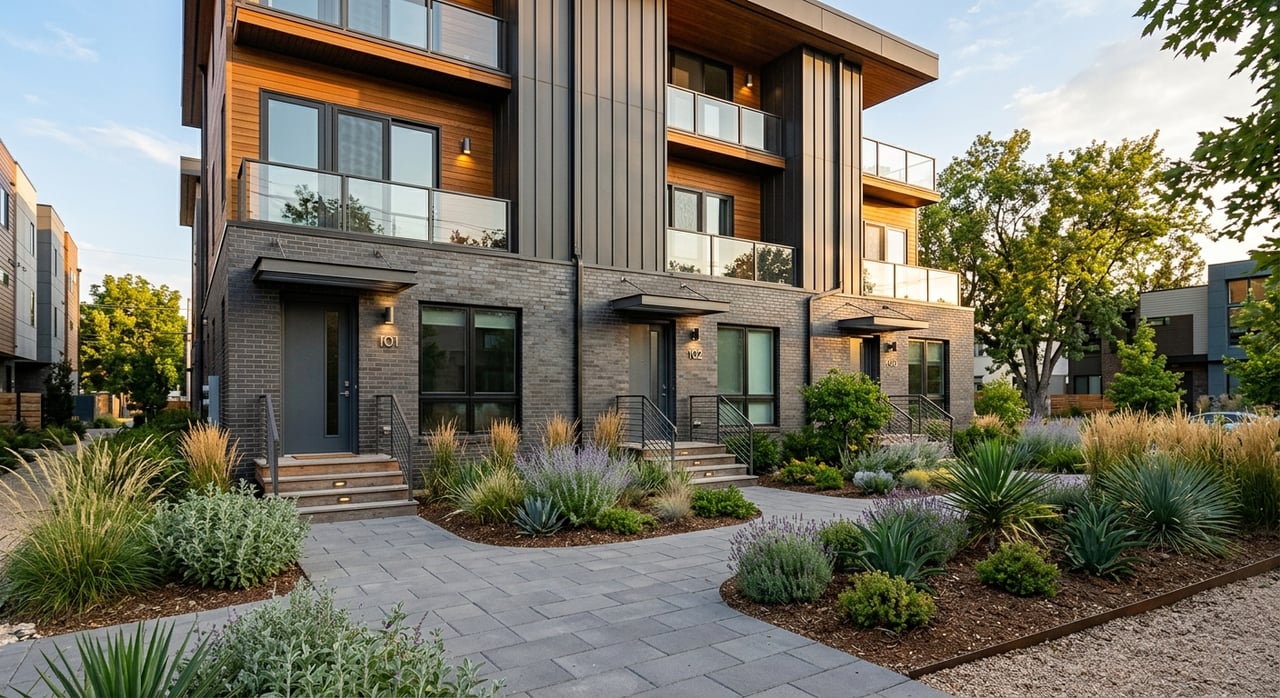
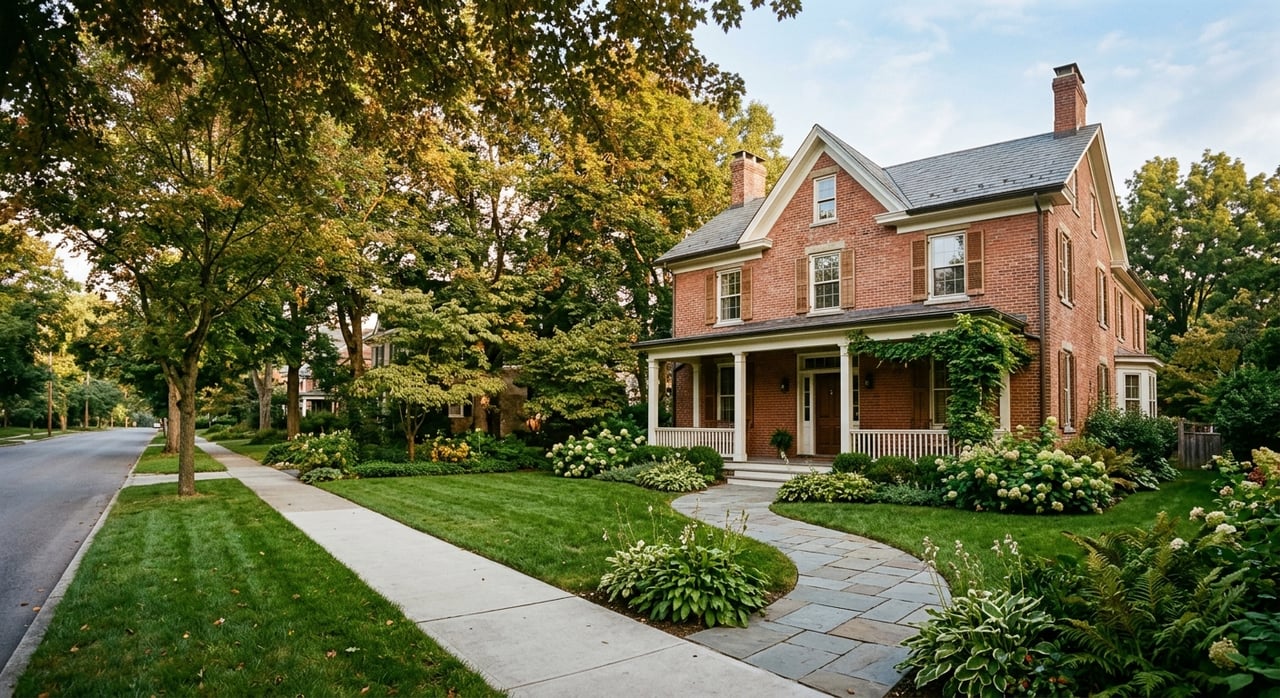
Park Hill is not a neighborhood with one housing style repeated block after block. Its homes were built over decades, which gives the area more architectural variety and a more layered street presence.
Denver Public Library describes a mix that includes Victorian forms, Arts and Crafts houses, and mid-century homes. Denver planning materials also identify Foursquares, Tudor Revival, French Eclectic, and Colonial Revival styles in the neighborhood.
That range can be a big part of the appeal if you want options. Some buyers are drawn to original details and established streets, while others are focused on how older homes have been updated over time for modern living.
Historic context still matters
The neighborhood’s material history also remains visible. Denver Public Library notes that dairies and brickyards once occupied the land, and that clay soil attracted brickmakers such as the Farrey Brickyards at 34th and Dahlia.
That background helps explain why Park Hill can feel so rooted and distinct. You are not just seeing homes in isolation. You are seeing a neighborhood shaped by long-term growth, infrastructure, and local history.
Preservation can affect updates
If you are considering an older or historically significant property, it is smart to understand the city review process before planning exterior work. Denver says work on buildings in historic districts or on designated landmarks is reviewed by Landmark Preservation, and garage work in a historic district requires a certificate of appropriateness.
For buyers, that is not necessarily a drawback. It is simply part of doing good due diligence when you are looking at homes in an area with a strong historic identity.
Local anchors beyond coffee and parks
Park Hill’s daily-life appeal also comes from the fact that practical neighborhood stops are woven into the area. These are the places that make a neighborhood feel usable on an ordinary Tuesday, not just charming on a weekend.
Park Hill Branch Library
The Park Hill Branch Library at 4705 Montview Blvd. is one of those anchors. Denver Public Library says the branch opened in 1920, was remodeled in 1964, and today offers meeting spaces, branch events, computers, bike parking, outdoor seating, and an outdoor book drop.
That gives the neighborhood another steady, everyday destination. It is useful, historic, and community-oriented, which fits the broader rhythm of Park Hill living.
A neighborhood shaped by civic culture
Park Hill’s identity is also tied to long-running civic involvement. Denver Public Library says residents formed the Park Hill Action Committee in 1960, later Greater Park Hill Community, Inc., and that integration and school-desegregation fights helped shape the neighborhood’s civic culture.
That history still matters because it adds context to how people experience the area today. Park Hill is not only about attractive streets and good routines. It is also a place with a documented tradition of neighborhood engagement and organizing.
What everyday life in Park Hill feels like
Taken together, everyday life in Park Hill is best understood as a series of short trips and familiar stops. You might grab coffee in Oneida Park, spend time in City Park, stop at the library on Montview, and run errands along Colfax or 23rd Avenue, all while moving through a neighborhood with historic homes and established streets.
That pattern is a big reason Park Hill continues to stand out for many Denver buyers. It offers a lifestyle that feels connected, practical, and local, with enough variety to support different routines without losing its sense of place.
If you are thinking about buying or selling in Park Hill, neighborhood knowledge matters. The right guidance can help you understand not just pricing and inventory, but how a block, parkway, or nearby daily routine may shape your long-term fit. When you are ready for a local, educational approach to your next move, connect with Kissel Group.
FAQs
What is everyday life like in Park Hill Denver?
- Everyday life in Park Hill often revolves around short, local routines like coffee runs, park visits, library stops, and errands along streets such as Colfax and 23rd Avenue.
What coffee shops are in Park Hill Denver?
- Local options mentioned in Park Hill include Torpedo Coffee, Honey Hill Cafe, and Park Hill Hub, with Savageau Coffee & Ice Cream nearby on East Colfax.
What parks are near Park Hill Denver?
- City Park is the area’s signature green space, and Park Hill Park is another neighborhood park that plays a role in daily routines and community events.
What kinds of homes are in Park Hill Denver?
- Park Hill includes a mix of architectural styles built over many decades, including Victorian forms, Arts and Crafts houses, mid-century homes, Foursquares, Tudor Revival, French Eclectic, and Colonial Revival homes.
Are there historic review rules for Park Hill Denver homes?
- Yes. Denver says exterior work on designated landmarks or properties in historic districts is reviewed by Landmark Preservation, and some projects, such as garage work in a historic district, require additional approval.
Is East Colfax construction affecting Park Hill Denver routines?
- East Colfax Bus Rapid Transit construction is underway, but RTD and the City of Denver say business access will be maintained and at least one lane in each direction will remain open during construction.