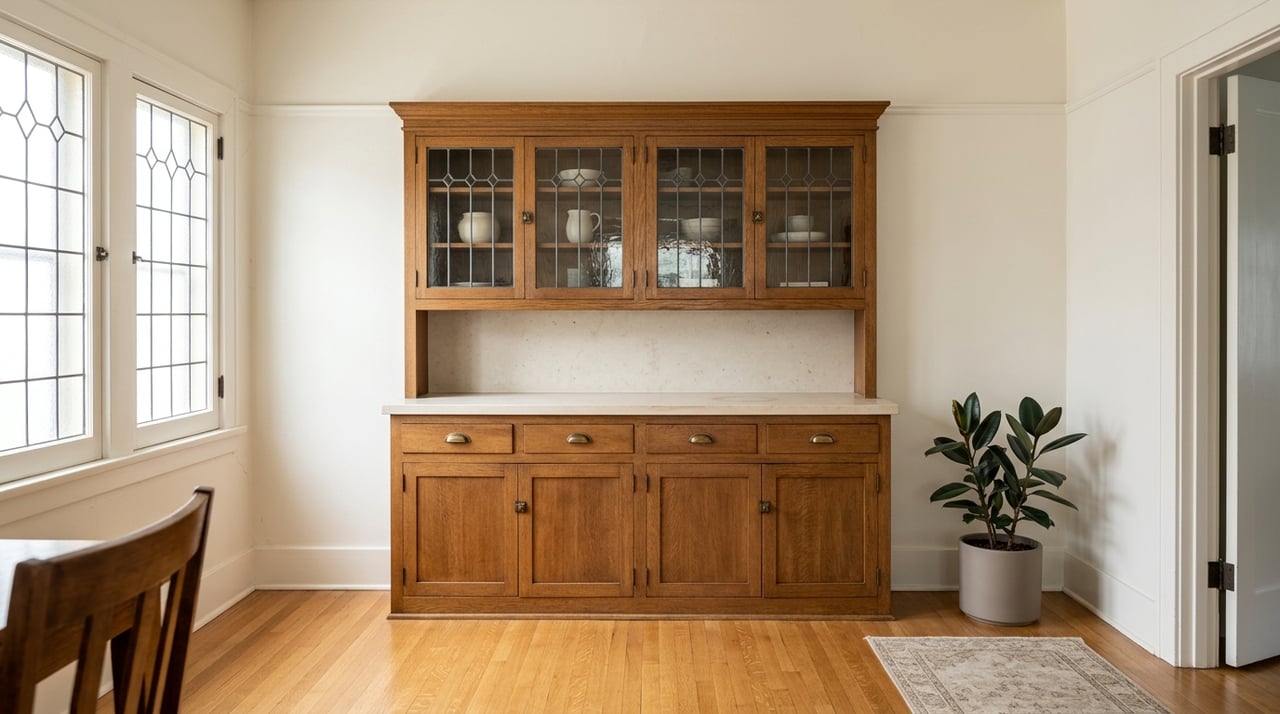
Dreaming about a historic bungalow in Washington Park? You are not alone. These homes have a look and feel that is hard to copy, from welcoming front porches to rooflines and brick details that give the house real presence. If you are thinking about buying one, it helps to understand what gives these homes value, what to inspect closely, and how to compete in a fast-moving Wash Park market. Let’s dive in.
Why Washington Park bungalows stand out
Washington Park grew during Denver’s City Beautiful era, and that history still shapes the neighborhood’s visual character today. Local history sources describe the area as closely tied to the park, early civic planning, and a housing mix that includes Classical Revival, Craftsman, and Italianate homes.
For bungalow buyers, that context matters. Historic Denver’s small-homes survey notes that bungalow and Craftsman homes were especially popular in Denver from about 1910 to 1920, including in Washington Park. That helps explain why so many buyers are drawn to these homes now. You are not just buying square footage. You are buying a piece of Denver’s architectural story.
What defines a historic bungalow
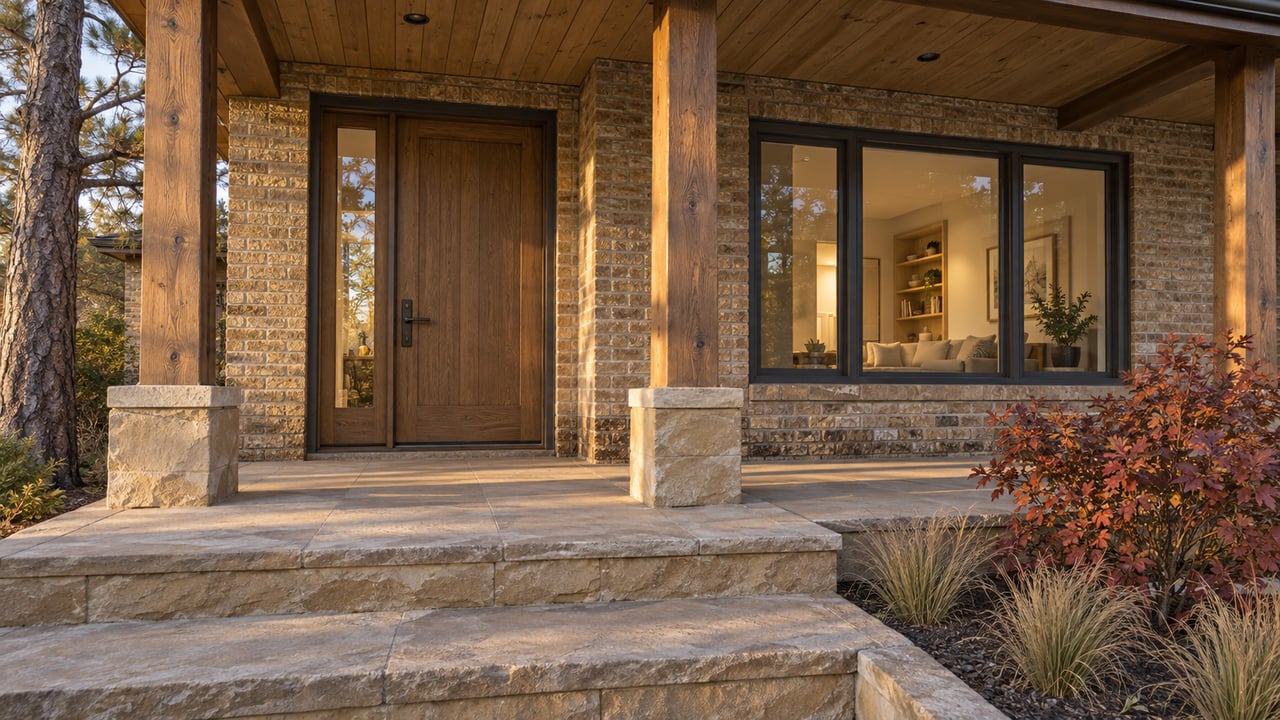
A Washington Park bungalow is usually easy to recognize once you know what to look for. These homes are typically low-slung, one to one-and-a-half stories, and built with a broad, grounded shape.
Common features often include:
- Gabled or hipped roofs
- Wide overhanging eaves
- Exposed rafters or brackets
- Prominent front porches
- Brick or stone exterior materials
- Dormers that add light and usable space upstairs
In practical terms, the home’s value often lives in these details. Preservation guidance identifies the overall shape, roof form, porch, windows, and exterior materials as major contributors to a historic home’s visual character. If those features remain intact, the bungalow often feels more authentic and may hold stronger appeal over time.
Why character matters in resale
With older homes, not every update adds value equally. In a historic bungalow, buyers often respond best to homes that feel well cared for and thoughtfully updated, not stripped of their original personality.
That means a smart renovation plan usually respects the home’s original look. Guidance on historic materials recommends repairing original features first when possible, and if replacement is necessary, the substitute should closely match the original appearance and physical properties. In simple terms, the best updates tend to improve function without erasing character.
Historic district rules to check first
One of the most important facts for Washington Park buyers is that the neighborhood itself is not listed as a designated historic district on Denver’s current historic district list. That can simplify things compared with buying in a fully designated historic district.
Still, you should not assume every property is free from preservation review. If a bungalow is individually landmarked or located within a smaller historic district, Denver Landmark Preservation reviews exterior changes that require permits, including additions, new construction, signs, and non-vegetative site work. Denver also requires separate roof permits, and roofing or siding work on individual landmarks or buildings in a historic district must be approved by Landmark Preservation before the work moves forward.
Inspection issues to prioritize
A charming bungalow can hide expensive issues, so your due diligence should stay focused on the items that matter most in older homes. Cosmetic quirks are one thing. Problems involving the roof, exterior materials, or mechanical performance are another.
Roof condition and roof shape
A weather-tight roof is essential in any home, but it is especially important in a historic one. Preservation guidance notes that roof deterioration can speed up damage to other historic materials. If the roof is nearing the end of its life or if past work changed the original roof form, that deserves a closer look.
Windows and porch details
Windows and porches are often major character-defining features in a bungalow. You will want to know whether these elements are original, repaired, or heavily altered. Original wood windows may still have life left in them, and preservation guidance says repair should usually be considered before replacement.
Exterior materials and past changes
Look closely at siding, brick, dormers, porch supports, and trim. Changes like replacement siding or altered porch details can affect how the home presents today and how future buyers may view it later. If the home has landmark status or sits in a smaller historic district, exterior alterations may also affect the permit path for future work.
Insulation and air sealing
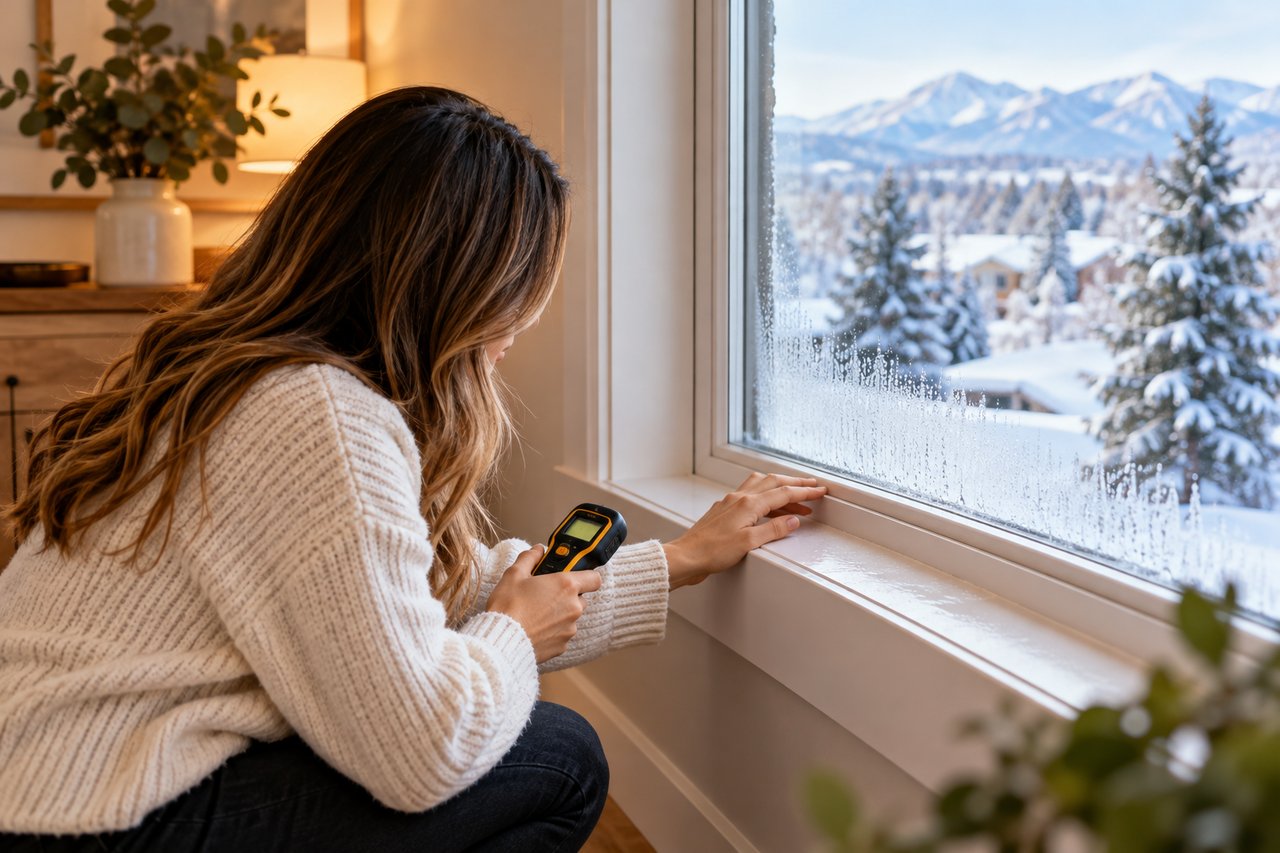
Older homes often do not perform like newer construction. Energy guidance notes that poor air sealing can create drafts, cold spots, moisture issues, and openings for insects. In a bungalow, it makes sense to evaluate the attic, the edges around windows and doors, rim joists, and other likely leak points.
Heating and cooling efficiency
Comfort can vary a lot from one older home to another. A bungalow may look great in listing photos but still need meaningful work to improve heating, cooling, or overall efficiency. Understanding that before you close can help you budget more realistically.
Lead and asbestos due diligence
If you are buying a Washington Park bungalow built before 1978, lead-based paint should be part of your planning from the start. According to the EPA, 87% of homes built before 1940 contain some lead-based paint, and federal law requires disclosure of known lead-based paint hazards before most pre-1978 home sales.
Buyers of most pre-1978 housing also receive a 10-day period for a lead inspection or risk assessment unless that right is waived. In an older home, that timing should be discussed early so it fits your offer strategy. If you plan to remodel, asbestos is another important issue, because materials that may contain asbestos should be handled by a trained and accredited professional if they will be disturbed.
Should you repair or replace original features?
This is one of the biggest questions bungalow buyers face. The short answer is that repair often deserves serious consideration first.
For example, preservation guidance says historic windows can often be improved with storm windows, caulking, and weatherstripping, and it notes that full replacement windows often do not pay for themselves in a reasonable time. That does not mean replacement is never needed. It means you should evaluate original materials carefully before assuming new is better.
Which updates tend to add the most value?
When you buy a historic home, it is easy to focus on dream upgrades like opening walls or fully modernizing interiors. But from a value standpoint, functional and exterior-focused improvements often matter more.
Zonda’s 2025 Cost vs. Value report found that exterior renovations continue to produce higher return on investment than many discretionary interior remodels, with eight of the top ten highest-ROI projects being exterior replacement projects. For a Washington Park bungalow, that supports a practical approach: protect the envelope, maintain curb appeal, and make updates that improve comfort while preserving architectural integrity.
What the Washington Park market looks like
Washington Park remains a premium Denver neighborhood, and the numbers point to an active market. Realtor.com reported a June 2026 median listing price of about $1.9 million, with 70 homes for sale, a median of 43 days on market, and homes selling for about 99% of asking on average.
Redfin’s rolling three-month view ending May 2026 showed a median sale price of about $1.4 million, a median of 15 days on market, and a 97.6% sale-to-list ratio. The two sources use different methods and timeframes, but they tell a similar story. Buyers should be ready for competition, especially when a well-preserved bungalow hits the market.
How to make a strong offer on a Wash Park bungalow
In a competitive neighborhood, speed matters. But with an older home, speed should not come at the cost of smart protections.
A strong offer often includes:
- A solid preapproval
- Thoughtful earnest money
- A realistic closing timeline
- Inspection terms aimed at major issues, not cosmetic items
- Early planning around lead disclosure and the 10-day lead inspection window for most pre-1978 homes
This is where strategy really counts. The goal is to stay competitive while protecting yourself against the issues that matter most in a historic property.
A smart way to think about the purchase
The best Washington Park bungalow purchases usually balance emotion and discipline. You want to appreciate the home’s charm, history, and curb appeal, but you also want clear eyes on roof condition, original features, efficiency, disclosures, and permit constraints.
That balance is where good guidance makes a difference. When you understand what gives the home value and what could affect your costs later, you can make a more confident decision from the start.
If you are considering a historic bungalow in Washington Park, working with a local team that understands Denver neighborhoods, older housing stock, and competitive offer strategy can make the process much smoother. To plan your next move with a data-driven, neighborhood-focused team, connect with the Kissel Group.
FAQs
What makes a Washington Park bungalow historic in character?
- A Washington Park bungalow typically shows features like a low-slung shape, gabled or hipped roof, wide eaves, a front porch, brick or stone materials, and windows and roof details that reflect early 1900s design.
Is Washington Park a designated historic district in Denver?
- Washington Park itself does not appear on Denver’s current historic district list, but an individual property may still be landmarked or located in a smaller historic district that affects exterior permit review.
What should you inspect first when buying an older bungalow in Washington Park?
- The highest-priority items usually include roof condition, windows, porch details, exterior materials, past alterations, insulation and air sealing, and overall heating and cooling performance.
Do pre-1978 Washington Park homes require lead disclosures?
- Yes, most pre-1978 homes are subject to federal lead-based paint disclosure rules, and buyers typically receive a 10-day period for a lead inspection or risk assessment unless that right is waived.
Are original bungalow windows worth keeping?
- Often, yes. Preservation guidance says historic windows can frequently be repaired and improved with measures like weatherstripping, caulking, and storm windows before replacement is considered.
What kinds of updates usually help resale in a Washington Park bungalow?
- Functional, sympathetic updates often help most, especially exterior improvements and repairs that preserve the home’s original character while improving condition and comfort.